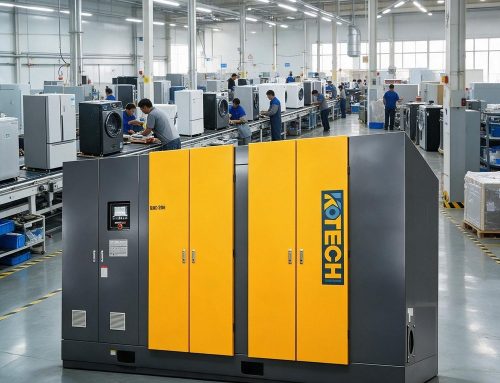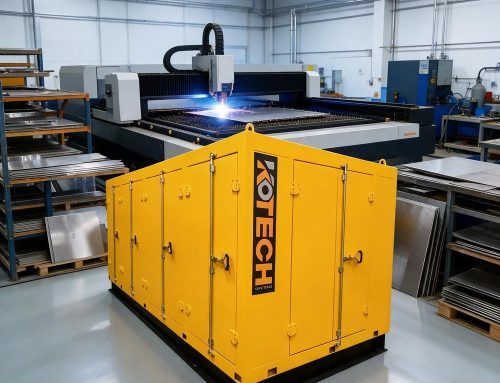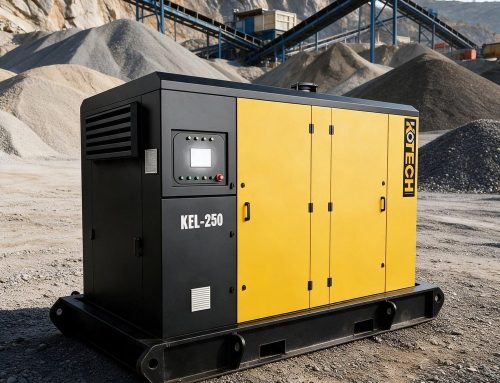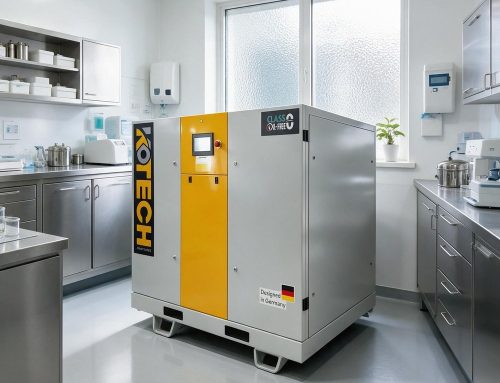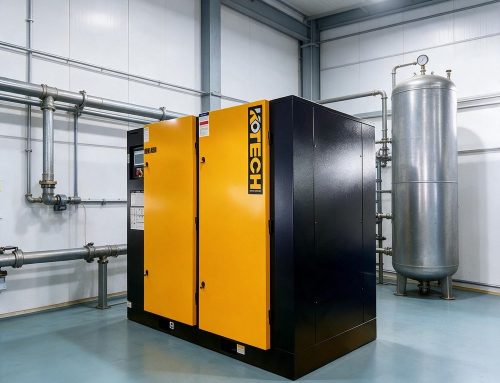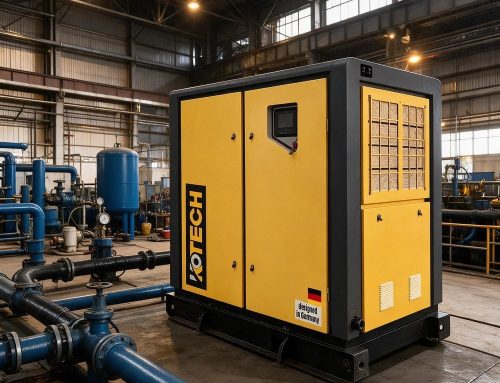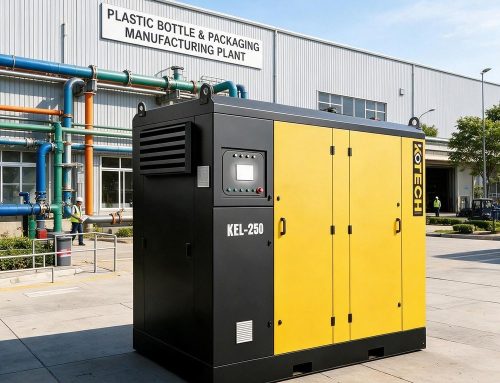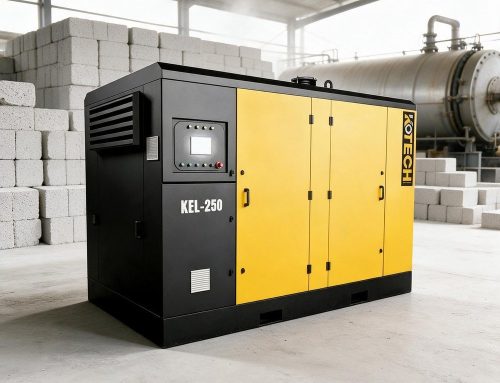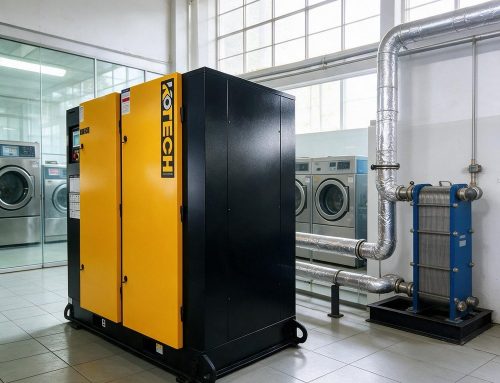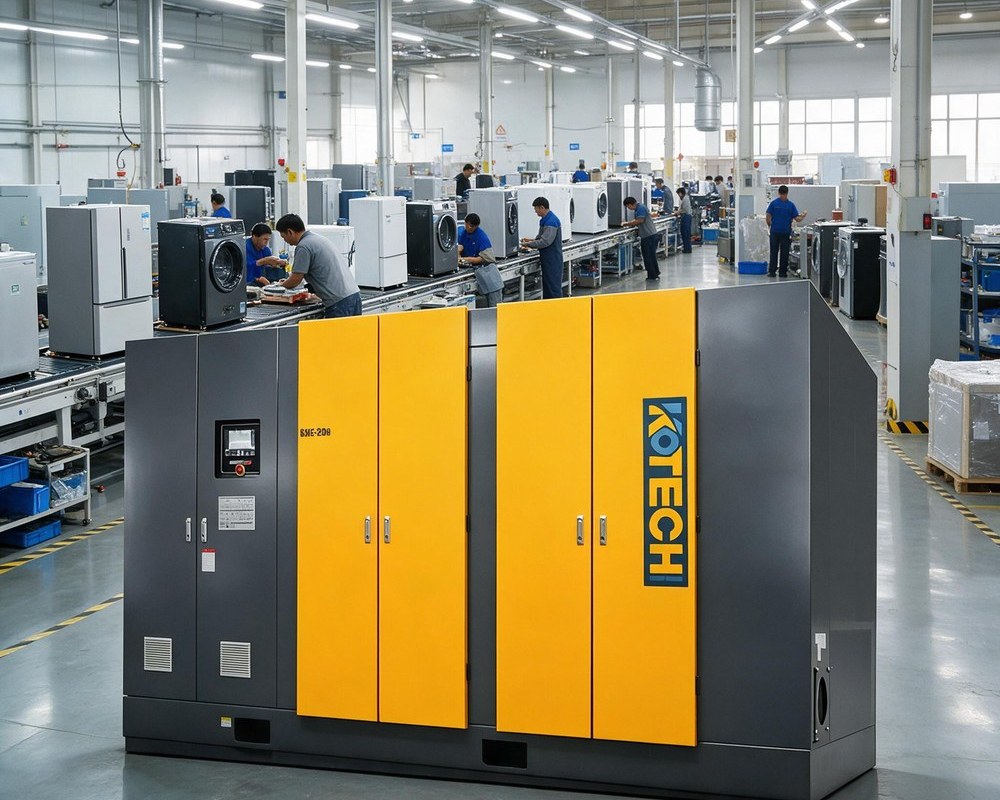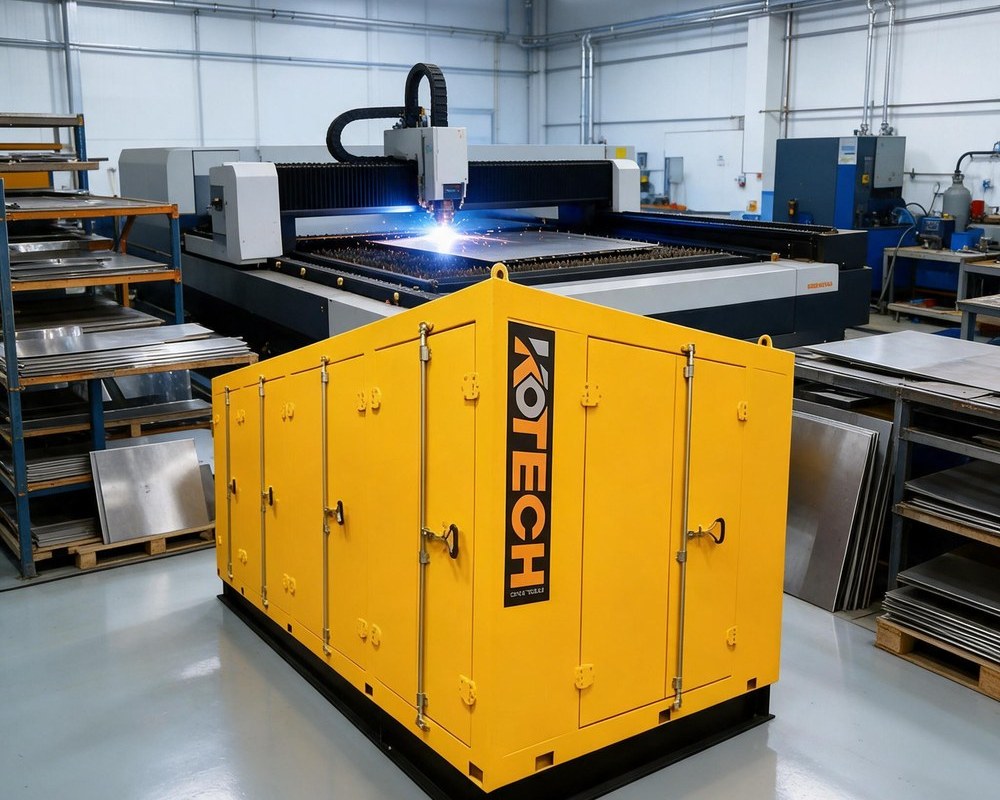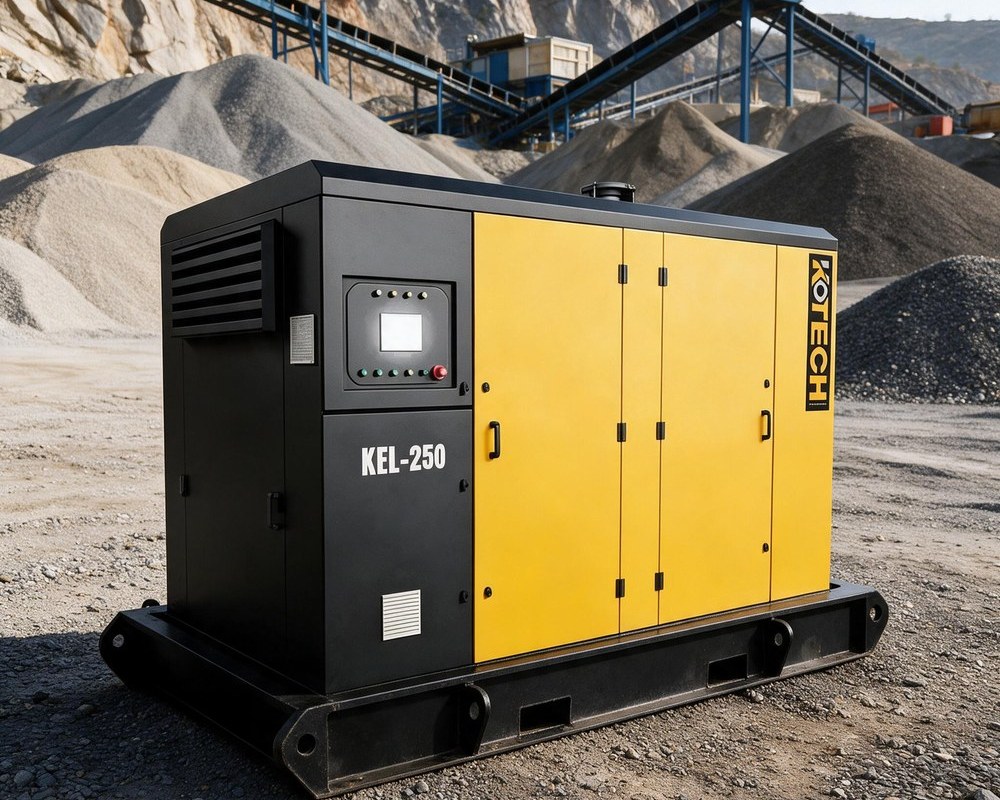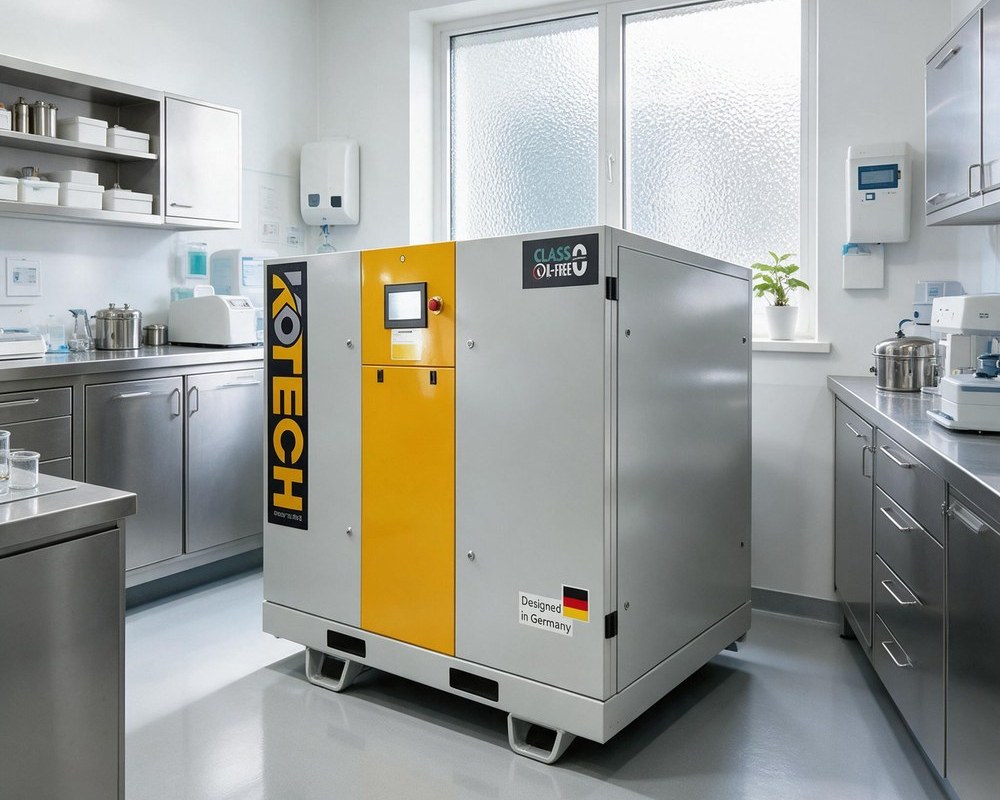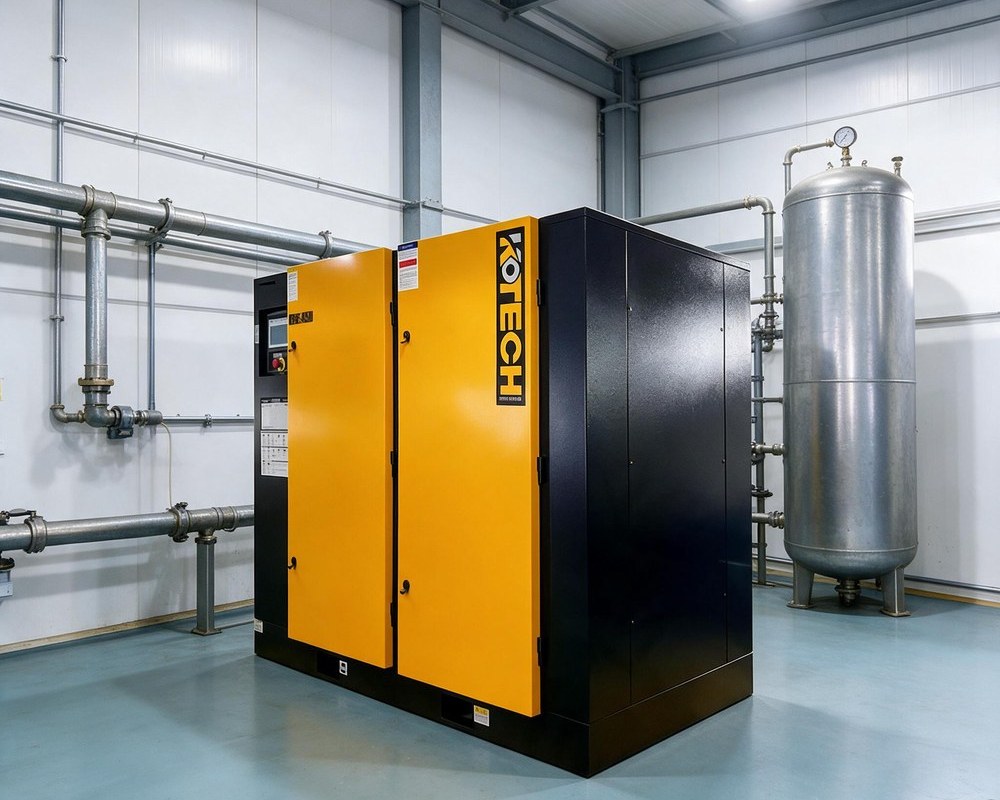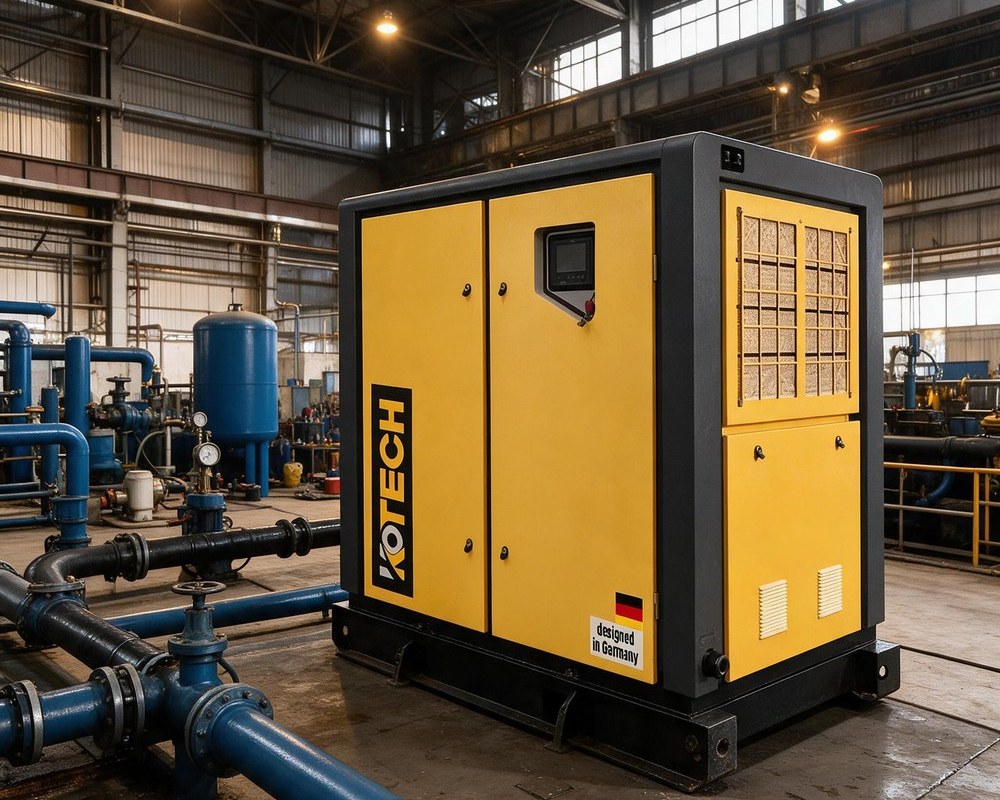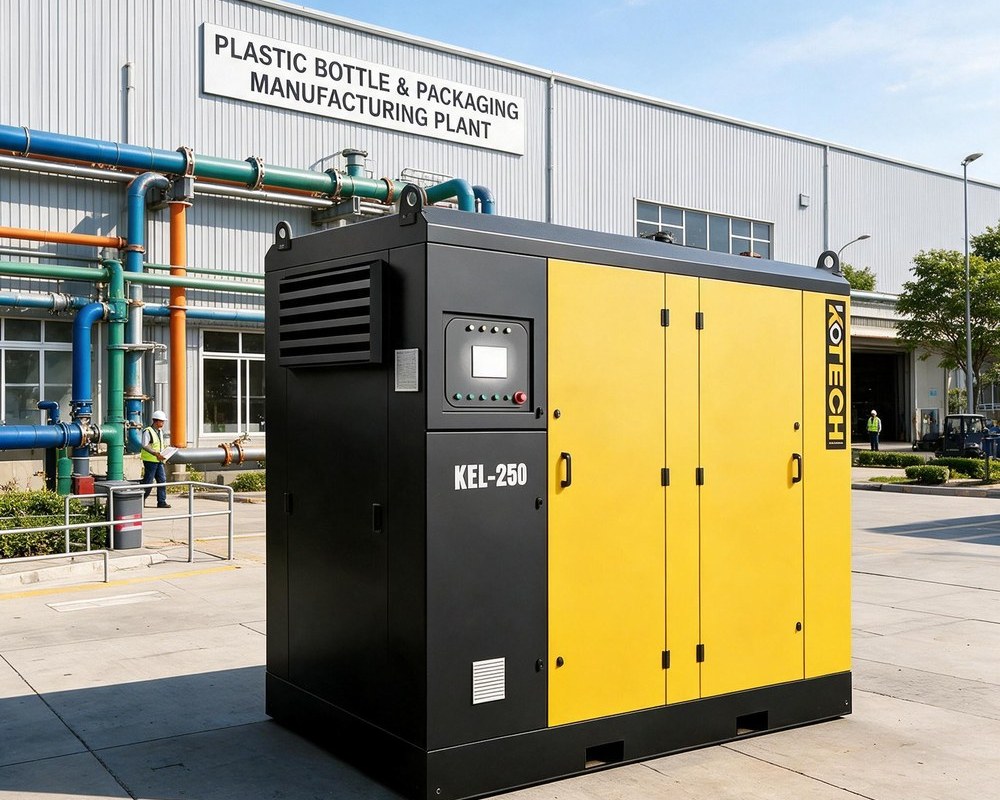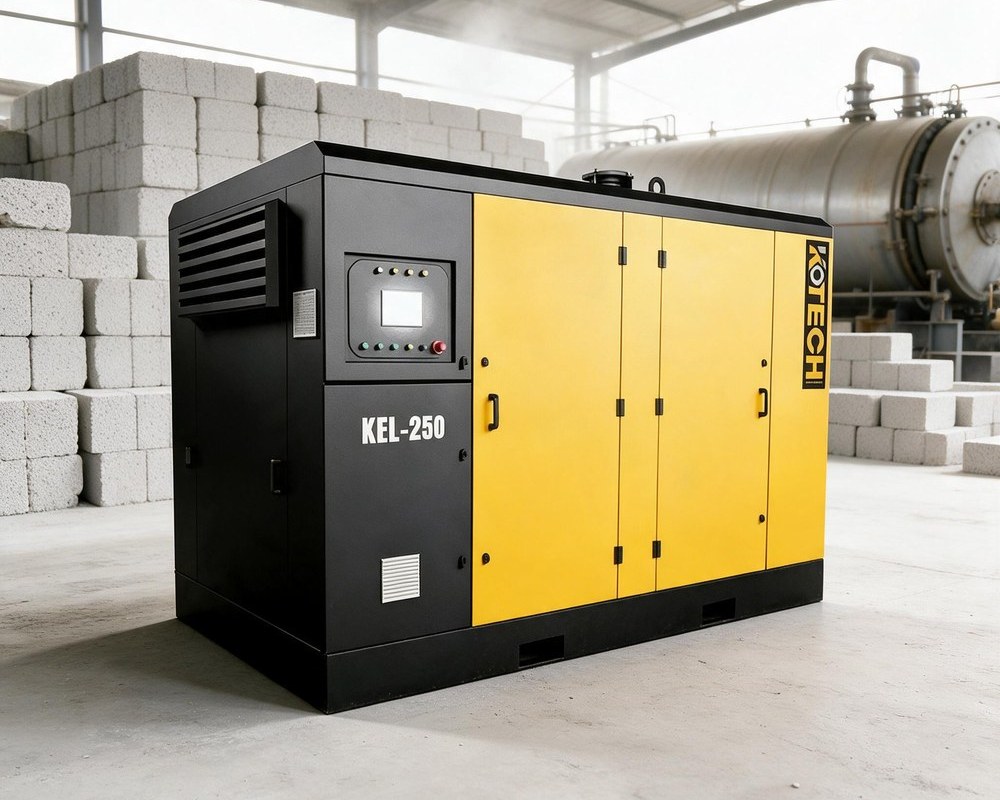




Sugar mills move enormous volumes of granulated and refined sugar through pneumatic conveying lines, silo aeration pads and bulk loading systems, almost all of which run well below standard plant pressure. Buying an ordinary 7 to 10 bar compressor for these duties means compressing air far harder than the process needs and then throwing the extra energy away across a regulator. A low-pressure screw compressor such as the KOTECH KEL series, built for roughly 1.5 to 5.5 bar, delivers conveying air at the pressure the line actually requires, which is where the real energy and reliability savings in a sugar-handling plant come from.

Why Sugar Conveying Is a Low-Pressure Application
Dilute-phase pneumatic conveying of sugar, aeration of storage silos to keep powder free-flowing, fluidising dischargers and bulk-truck loading all need a steady volume of air at modest pressure, typically between about 2 and 5 bar depending on line length, vertical lift and the number of bends. The pressure is used mainly to overcome line friction and back-pressure, not to drive high-force tools. Specifying a general-purpose compressor that produces 8 or 10 bar and regulating it down to 3 bar wastes the energy used to create the unnecessary pressure differential.
A purpose-built low-pressure air-end is optimised for this band: it moves a high volume of air efficiently at low discharge pressure rather than being a high-pressure machine run off its design point. In a sugar mill that runs conveying campaigns for long hours during and after the crushing season, the difference in specific energy between a correctly applied low-pressure unit and a de-rated standard compressor compounds into a substantial electricity saving across the season.
- Conveying, aeration and fluidising duties genuinely need only roughly 2 to 5 bar.
- Low-pressure air-ends deliver high volume efficiently instead of wasting energy across a regulator.
- Long conveying campaign hours magnify the specific-energy advantage.
- Dedicated machines keep low-pressure process air separate from high-pressure plant air.
Sizing Air Flow and Pressure for the Conveying Line
Pressure selection follows the conveying system, not a rule of thumb. The required discharge pressure must cover the pressure drop along the pipeline, vertical lifts, elbows, filters and the receiver or silo back-pressure, with a small operating margin. Setting it too high wastes energy and can degrade sugar through higher velocities and attrition; setting it too low causes line plugging and uneven conveying. Work with the conveying-equipment supplier’s pressure-drop calculation and confirm the actual set-point by measuring the running line.
Flow sizing is driven by the conveying rate, line diameter and dilute-phase velocity that keeps sugar suspended without damaging the crystals. Aeration pads add a separate, lower but continuous demand. Because conveying is often batch-based, a variable-speed KEL VSD version is well matched to follow the different flow demands of loading, conveying and idle periods rather than cycling. The table below lists real KEL models with working pressure, free air delivery, motor power and weight so the mill can shortlist frames against its conveying and aeration totals.
Real KOTECH KEL Low-Pressure Screw Compressor Models
Published base-model specifications from the KOTECH KEL product page. Pressure-specific and VSD variants extend the range across roughly 1.5 to 5.5 bar.
The KEL range spans small motors for single silo or loading duty up to large frames for multi-line conveying halls, with both fixed-speed and VSD builds and pressure-specific variants from about 1.5 to 5.5 bar. Because flow changes with discharge pressure, always read free air delivery at the exact pressure point your conveying line requires rather than using a single headline number, and size the motor for the longest continuous campaign rather than the average.
Handling Sugar Dust, Moisture and Seasonal Duty
Sugar handling creates fine, sticky dust and humid conditions, so intake protection and filtration matter. Position the compressor intake away from conveying vents and bag-filter discharge, use an appropriate pre-filter and keep the cooler clean so discharge temperature stays controlled. Moisture in conveying air can cause sugar to cake and block lines, so drying and water separation should be matched to the climate and the product’s moisture sensitivity, especially in humid milling regions.
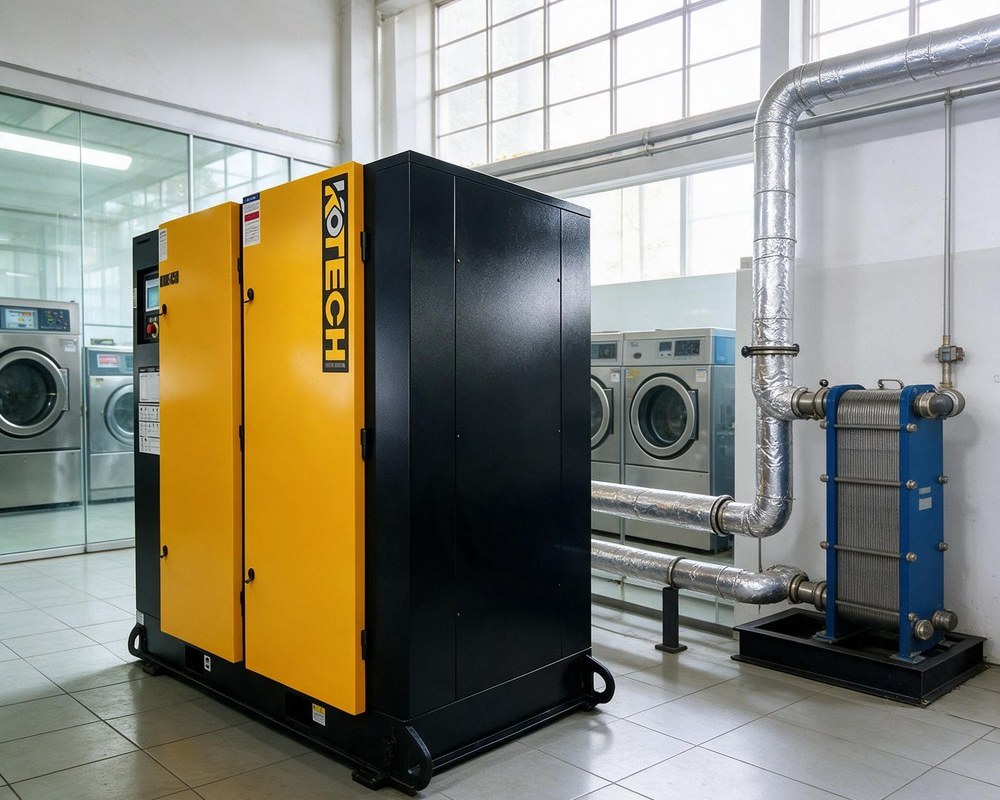
Mills also face strongly seasonal running: intense activity around the crushing and packing campaign followed by quieter periods. A low-pressure machine sized for the campaign but with VSD control handles the off-peak aeration and maintenance loads efficiently without cycling, while a planned service schedule before the season starts prevents a conveying-hall failure at peak. Because KEL frames are electric and stationary, they integrate cleanly into a central compressor room with heat recovery potential for wash water or space heating.
- Locate the intake away from sugar dust vents and protect it with suitable pre-filtration.
- Add drying and water separation to prevent caking and line blockage in humid climates.
- Use VSD to follow batch conveying, aeration and idle demands across the season.
- Service before the campaign and size for the longest continuous conveying run.
- Recover compressor heat for wash water where a warm-water demand exists.
Separating Low-Pressure Process Air from Plant Air
A common mill mistake is running low-pressure conveying off the same high-pressure header that serves instruments and workshops. Mixing the two forces the whole system to the highest pressure required and makes the low-pressure duty expensive. A cleaner design dedicates KEL low-pressure compressors to the conveying and aeration network while a separate standard-pressure system serves control air and tools, with each network sized and treated for its own pressure and quality needs.
This separation also protects product quality: a dedicated low-pressure station can be fitted with the filtration and drying suited to edible sugar without over-treating the general plant air, and a fault in the conveying network does not drag down the pressure of critical instrumentation. Metering each network separately makes the energy cost of conveying visible, which is the first step toward optimising conveying velocity and reducing both power and product attrition.
Buying tips
- Confirm the conveying line’s real pressure drop and back-pressure before choosing the discharge pressure.
- Use a dedicated low-pressure compressor rather than regulating a standard 8–10 bar machine down to 2–5 bar.
- Size flow from conveying rate, line diameter and the velocity that prevents both plugging and sugar attrition.
- Prefer a VSD frame for batch conveying and variable aeration demand across the season.
- Protect the intake from sugar dust and add drying or water separation suited to humid conditions.
- Keep low-pressure process air on a separate, metered network from high-pressure instrument and tool air.
Frequently asked questions
What pressure do I need for pneumatic sugar conveying?
Why not just use a standard 8 bar compressor and regulate it down?
Should the low-pressure compressor be variable speed?
How do I prevent sugar caking and line blockage from compressor moisture?
Can one compressor feed both conveying and the mill’s instrument air?
How is a low-pressure compressor sized for seasonal sugar mill duty?
Send KOTECH your conveying rate, line layout and target pressure. We will size a KEL low-pressure compressor, including VSD and air treatment, for your sugar mill’s bulk handling and silo aeration duty.