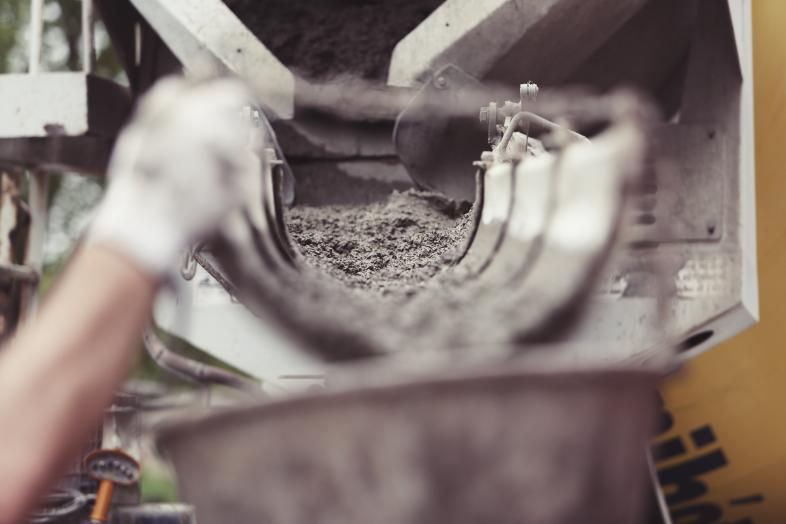


Applications of Air Compressors in Cement Industry.
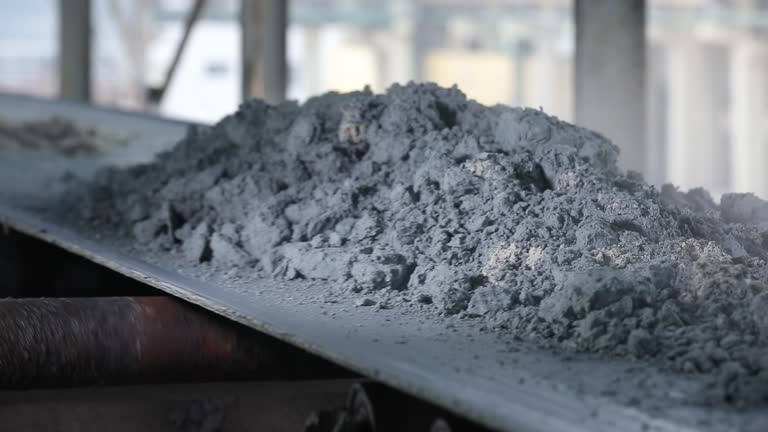
What does air blower do in cement industry?
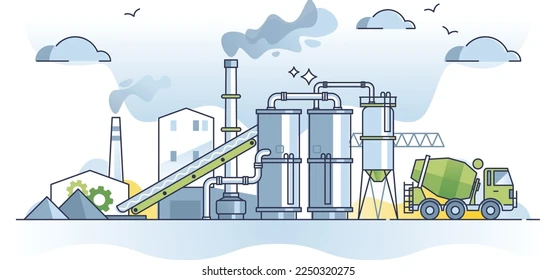
- Material conveying
In cement production, air blower compressors provide stable compressed air for coal powder to convey into the kiln for combustion. During cement grinding, air blowers supply air power to classifiers, which screen ground cement particles by size and transport them to subsequent processes.
Qualified fine powder is collected as the final product, while coarse particles return to the cement mill for regrinding. This ensures classification efficiency and uniformity in cement product quality.
- Combustion support
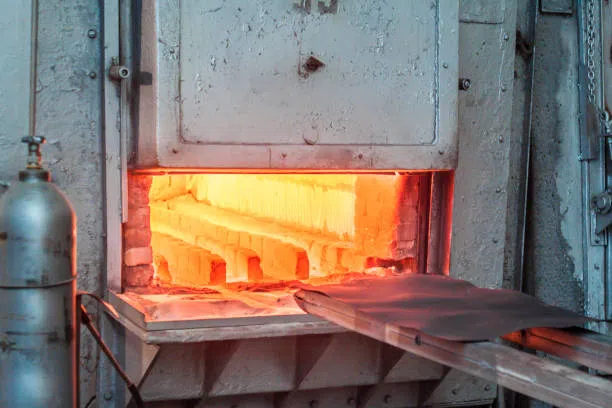
In cement kiln combustion, screw air compressors precisely adjust air volume and pressure based on kiln conditions to control airflow into the combustion chamber, ensuring complete fuel combustion.
Only with sufficient combustion can adequate heat be generated to drive the physical and chemical reactions in raw materials, producing qualified cement clinker.
- Material homogenization
Screw blowers are used to aerate raw material and cement silos, keeping materials loose for easy transportation and homogenization.
Additionally, screw blowers provide stable airflow and pressure during clinker preparation, a critical production stage, ensuring homogeneous heat treatment and mixing to enhance production efficiency and product quality.
- Clinker cooling system
Air blowers play a critical role in cement clinker coolers by delivering precisely controlled airflow. This optimized cooling process achieves two key objectives: accelerating clinker solidification for faster production cycles, and enabling efficient heat recovery.
Modern cement plants integrating these systems report 12-18% reductions in thermal energy consumption, as recovered heat is often redirected to preheat raw materials or generate auxiliary power.
- Dust treatment solution
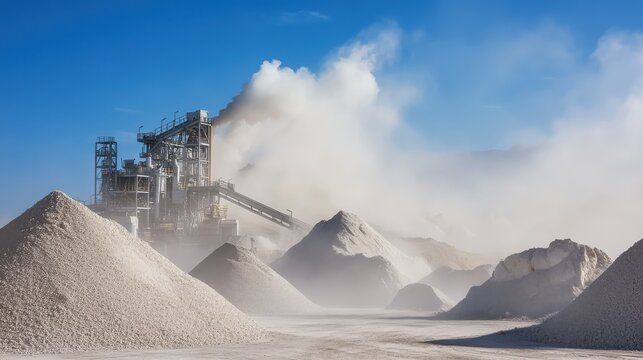
Cement manufacturing generates approximately 3-5% of global particulate emissions. Low-pressure screw blowers address this challenge by powering dust collection systems with steady airflow.
Unlike conventional systems prone to pressure fluctuations, screw blowers maintain consistent velocities to ensure effective particulate capture in bag filters or electrostatic precipitators.
- Emission control applications
Regulatory compliance drives the adoption of advanced blower systems for flue gas treatment. Modern air blowers support critical processes including:
- SO₂ scrubbing (85-95% removal efficiency)
- Selective catalytic reduction for NOx reduction
- Particulate filtration meeting <10 mg/Nm³ standards
Are you looking for a reliable and efficient power source for your cement industry? Kotech dealers are experienced in finding the perfect air compressor for your needs.
Contact your local Kotech dealer today and discover how an air compressor can increase your productivity and safety.
Which air blower compressors are suitable for cement plants?
Roots blower
Roots blowers are traditional equipment in the cement industry. They operate via two three-lobe rotors rotating in opposite directions within a sealed chamber, delivering air from the inlet to the outlet through volumetric displacement.
However, Roots blowers face two major issues.
First, as positive displacement blowers, their airflow remains constant at fixed speeds, leading to insufficient power during cement conveying or energy waste during low-demand periods.
Second, their low energy efficiency and high noise levels have led to gradual replacement by screw blowers.
Low-pressure screw compressor
Proven advantages over traditional Roots blowers:
- 30-35% lower energy consumption (typical ROI within 18-24 months)
- Oil-free operation eliminating product contamination risks
- Stable performance across 70-100% load variations
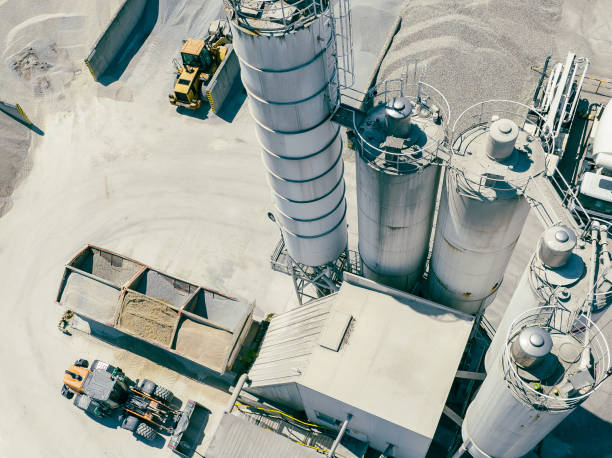
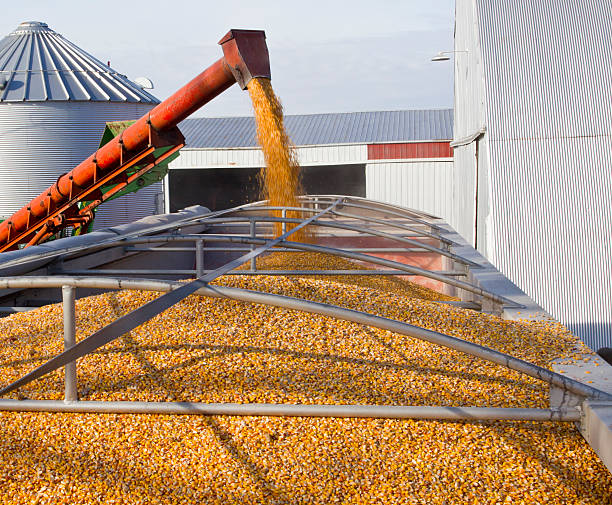
Additionally, Kotech’s oil-free dry screw compressors employ oil-free dry and two-stage compression technology, providing clean, stable and sufficient air pressure not only for cement production and conveying but also for material handling in other industries, such as pneumatic conveying of grain in agriculture field, flour conveying in food processing, and industrial blowers for ventilation in mines and industrial facilities.
Centrifugal blower
Two predominant centrifugal blower types serve cement operations:
Magnetic levitation(MagLev) centrifugal blowers
Frictionless operation via electromagnetic bearings
Speeds exceeding 30,000 RPM with airflow capacities to 650 m³/min
55-60 dB noise levels versus 85+ dB in conventional units
Air bearing blowers
Aerodynamic suspension systems
Maintenance intervals extended by 400% compared to lubricated compressors
- Materials suitable for transport by truck mounted air compressor:
- Powder: cement, flour, lime powder, coal fines, etc.
- Granules: sugar, sand, salt, limestone granules, etc.
- Small pellets: small stones, rock balls, plastic, rock salt, dolomite, etc.
- Cereals: corn, rice, pellets, soybeans, oats, etc.
【Host】Truck Mounted Air Compressor
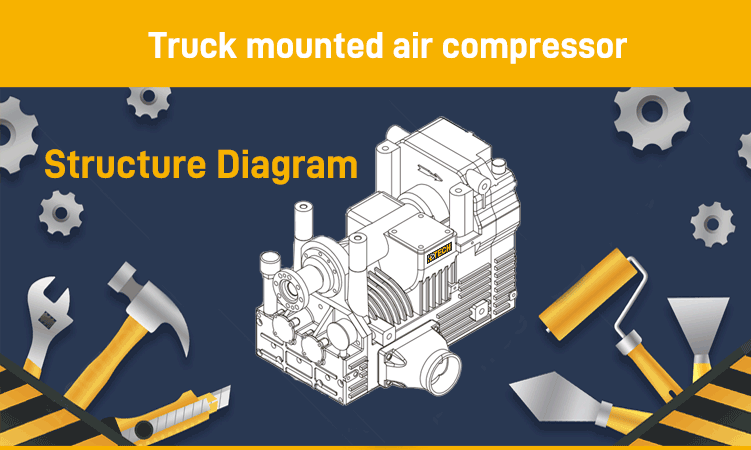
There is another sought-after piece of equipment in cement industry – truck mounted air compressor, which features higher mobility, lighter weight, and lower maintenance cost.
With special designed compact structure that integrate oil tank, oil pump and oil filters together, truck mounted air compressor can be easily installed on powder transport truck and suitable for conveying powder such as cement, granules, small balls, feed, etc.
Our truck mounted air compressor adopts a multi-inlet and multi-outlet design, which is very convenient for customers to install on multiple vehicle models in the market.
What’s more? it uses new 3/5 tooth line, with a wide speed range, a maximum air volume of up to 12m3/min, and a maximum pressure of 2.5bar, which can perfectly adapt to multiple working complex conditions.
Typical parameters of truck mounted air compressor for cement industry
| Exhaust pressure (bar) |
Air delivery | Shaft power (kW) |
Exhaust temperature (°C) |
|
|---|---|---|---|---|
| (m³/h) | (m³/min) | |||
| 2~2.5 | 582.4~559.0 | 9.7~9.3 | 40.7~48.7 | 213.0~253.0 |
| 604.8~580.5 | 10.1~9.7 | 41.9~50.0 | 211.0~251.0 | |
| 627.2~602.0 | 10.5~10.0 | 43.0~51.4 | 209.0~249.0 | |
| 649.6~623.5 | 10.8~10.4 | 44.1~52.7 | 207.0~247.0 | |
| 672.0~645.0 | 11.2~10.8 | 45.6~54.5 | 205.0~245.0 | |
| 694.4~666.5 | 11.6~11.1 | 47.1~56.3 | 203.0~243.0 | |
| 716.1~687.3 | 11.9~11.5 | 49.1~58.7 | 201.0~241.0 | |
| 737.8~708.2 | 12.3~11.8 | 51.2~61.2 | 199.0~239.0 | |
| 759.5~729.0 | 12.7~12.1 | 53.2~63.6 | 197.0~237.0 | |
| 781.2~749.8 | 13.0~12.5 | 55.4~66.2 | 195.0~235.0 | |
| 802.9~770.6 | 13.4~12.8 | 57.5~68.7 | 192.0~231.8 | |
The necessity of energy efficiency in cement blowers
Cement production accounts for 2.8 Gt CO₂ annually – 8% of global anthropogenic emissions. With air blower systems consuming 40-60% of the cement plant electricity,.
Currently, primary fans and coal feeding blowers for kiln heads and tails predominantly use Roots blowers, which have relatively high energy consumption.
Screw and centrifugal blowers offer solutions with significant economic, environmental, and energy-saving benefits. Centrifugal blowers, being contactless and frictionless, drastically reduce energy loss and improve efficiency. Screw blowers, known for long service life and stability, minimize energy waste and costs associated with frequent replacements and maintenance.
To optimize energy use, reduce production costs, and cut carbon emissions, cement plants can replace traditional Roots blowers with screw or centrifugal blowers, substantially lowering energy consumption and enhancing production efficiency.
How cement companies select the right air blower?
In air blower selection, the required airflow and pressure for the production process are the most critical technical parameters. To determine these parameters, refer to existing blower nameplate data or collaborate with compressor manufacturers to measure and calculate actual requirements.
Special attention must be paid to the primary kiln head blowers, as different burner brands have strict specifications for airflow and pressure. Mismatched parameters can severely impact clinker calcination and kiln output/quality. Current burner manufacturers offer various specifications, including high/low pressure and large/small flow rates. Thus, selecting an air blower capable of meeting diverse operational demands (e.g., kiln ignition, low output, normal production) is essential.
During selection, ensure the air blower operates within the high-efficiency zone of its performance curve under normal conditions to achieve expected energy savings. If not, consider other air blower compressors or switching other air compressor suppliers.
Consider whether the installation site is at high altitude (above 1,000 m). Thin air at high altitudes affects pressure and airflow parameters. Communicate this with manufacturers in advance.
The air blower pressure calculation formula is:
P1 = [P2 × B × (273 + T2)] / [760 × (273 + T1)]
Where:
P1 = Operating site pressure (Pa)
P2 = Manufacturer’s design pressure (Pa)
B = Operating site atmospheric pressure (mmHg)
T2 = Design temperature (°C)
T1 = Operating site medium temperature (°C)
760 = Atmospheric pressure at 0 m altitude and 20°C (mmHg)
Atmospheric pressure conversion for altitude:
(760 mmHg) – (Altitude / 12.75) = Operating site atmospheric pressure (mmHg)
The formula shows that higher altitudes result in lower air density and atmospheric pressure. Without parameter adjustments, air blower pressure may fail to meet process requirements.
Since airflow and pressure are related by the square of the pressure ratio, manufacturers typically adjust air blower flow rates as follows based on altitude:
0–1,000 m: No adjustment
1,000–1,500 m: +2% flow
1,500–2,500 m: +3% flow
Above 2,500 m: +5–8% flow
Depending on your plant’s operational needs, Kotech Group can tailor air blower/compressor solutions to address any challenges. Contact us today!
Maintenance and cleaning
Air blowers also need regular maintenance and cleaning to ensure efficient operation and lowe energy consumption.
Periodically inspect wear on bearings, seals, and impellers. Replace or repair components of the air blower promptly to maintain good working environment.
Conduct daily inspections to check operating parameters (temperature, pressure, vibration) and listen for abnormal noises. Address potential issues early.
Clean accumulated dust in air blowers and ducts regularly to prevent blockages and increased airflow resistance, which impair efficiency.
Establish a rapid-response repair mechanism. And adopt air blowers that with advanced monitoring systems to track the equipment performance in real time. Automatically analyze data, adjust operating parameters, and optimize efficiency and reliability.
About carbon capture for cement plants: