



Applications of Air Compressors in Pipeline Cleaning and Drying.
Why pipeline drying demands oil-free air compressor
As we all know that there are two typical air compressor types – oil air compressor and oil-free air compressor. Oil air compressors use special oil to lubricate main components to reduce fiction and wear, while oil free air compressors adopt non-oil lubricant or non-lubricant designs.
That’s why oil free air compressors that integrated with air dryer and other post-treatment equipment can deliver ultra-dry, contaminant-free to rapidly purge pipelines, cutting restoration times from days to hours while ensuring operational integrity(Pipeline cleaning is a high-stakes operation where downtime costs thousands per minute).
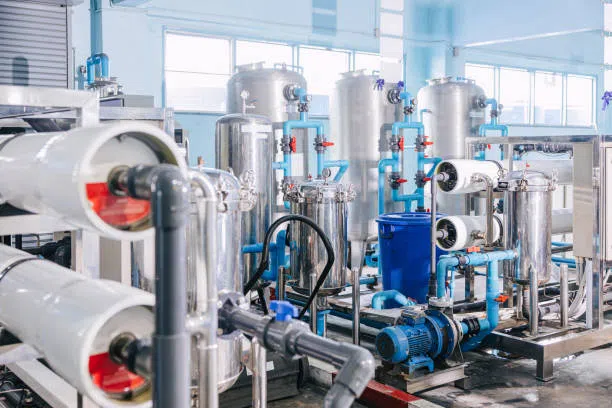
Whether it’s natural gas pipeline inspection, chemical transfer pipes after cleaning, or municipal water mains awaiting recommissioning, residual moisture is a silent saboteur.
Left unchecked, it spawns corrosion that eats through carbon steel, cultivates deadly Legionella biofilms, or even triggers combustion when meeting methane streams. Conventional compressed air that delivered by oil air compressors contains two invisible threats:
Oil aerosols (0.1–5 mg/m³): Even trace lubricant from oil-flooded compressors adheres to pipe walls, reacting with process fluids or attracting particulate buildup.
Water vapor: Compressing untreated compressed air into the pipeline has no difference with pumping water into it. As temperatures drop, moisture lurks in the air condenses right back into the pipes you’re trying to dry.
That’s why pipeline cleaning demand oil free air compressors coupled with desiccant air dryers. This combo delivers ISO 8573-1 Class 0 air – containing less than 0.01 mg/m³ of oil and dew points as frigid as -100°C (-73°C). The result? Zero hydrocarbon contamination, plus air so dry it actively pulls moisture from pipe walls instead of adding to it.
Industries where rapid pipeline drying dictates operational continuity
Oil and gas transmission
After pigging debris or inspecting gas pipelines, trapped moisture can freeze into icy plugs at high pressure, blocking flow or worse – contaminated air risks explosive reactions with methane.
Diesel-powered oil free dry air compressors deliver Class 0 compressed air at remote sites, enabling secure and stable gas flow supply.
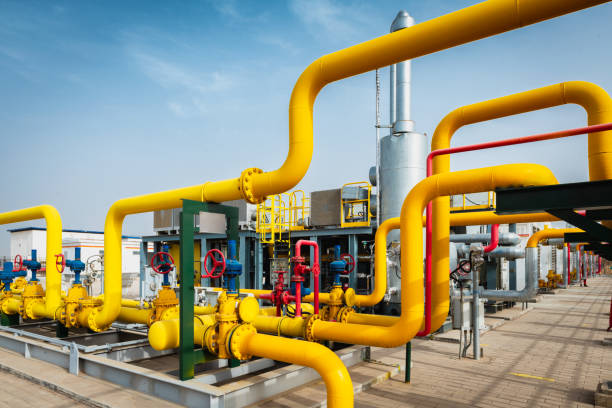
Chemical processing
Post-cleaning moisture in chemical transfer lines can hydrolyze sensitive compounds (e.g., isocyanates), degrading product quality. Portable oil free air compressors with heatless air dryers achieve -40°C dew points, ensuring pipes stay chemically inert, removing water without chemical reactions.
Municipal water systems
Standing water in cleaned water mains is a breeding ground for deadly bacteria. Cities using oil-free air injection dry pipes 3x faster than natural evaporation – getting clean water flowing again before headlines hit.
Food/beverage processing
Sanitation protocols require pipelines to be “bone-dry” before production restart to prevent microbial growth. Solution: ISO Class 0 air ensures no oil residue contaminates product-contact surfaces.
How oil free air compressor systems dry pipelines
Forget generic air compressors, drying pipelines demands integrated weaponry:
Air compression stage
A portable air compressor (typically rotary screw compressor) generates high-volume flow (typically 500–2,000 CFM) at pressures up to 10 bar by using coated rotors or scrolls instead of lubricants, which means zero oil sneaking into at the source.
Air drying frontline
Heatless desiccant air dryers (desiccant towers) are moisture assassins. They pack silica gel or activated alumina that traps water vapor, achieving dew points of -40°C or lower. Pro tip: Twin-tower setups allow continuous drying during regeneration cycles.
Filtration safeguard
Coalescing filters (0.01 μm mesh) catch oil aerosols like spiderwebs, while activated carbon beds adsorb vaporized hydrocarbons – especially crucial when drawing air in polluted industrial zones.
Injection
Dry air enters pipelines via access points (valves, pig traps), creating a low-humidity front that evaporates and carries moisture toward exhaust vents. Flow rates are maintained until outlet air humidity matches inlet specs (e.g., ≤ 30% RH).
Are you looking for a reliable and efficient power source for your Instrument Pipeline Cleaning and Drying? Kotech dealers are experienced in finding the perfect air compressor for your needs.
Contact your local Kotech dealer today and discover how an air compressor can increase your productivity and safety.
Oil free portable diesel air compressors for optimal drying on site
Fixed air systems rarely meet pipeline drying needs due to distance, flow demands, and site constraints. Mobile oil free air compressor solutions excel here:
Portability
Skid-mounted air compressor units integrate compressors, dryers, and can be easily fixed on a truck or trailer. Kotech’s pipeline packages, for example, deploy in < 30 minutes via forklift or crane.
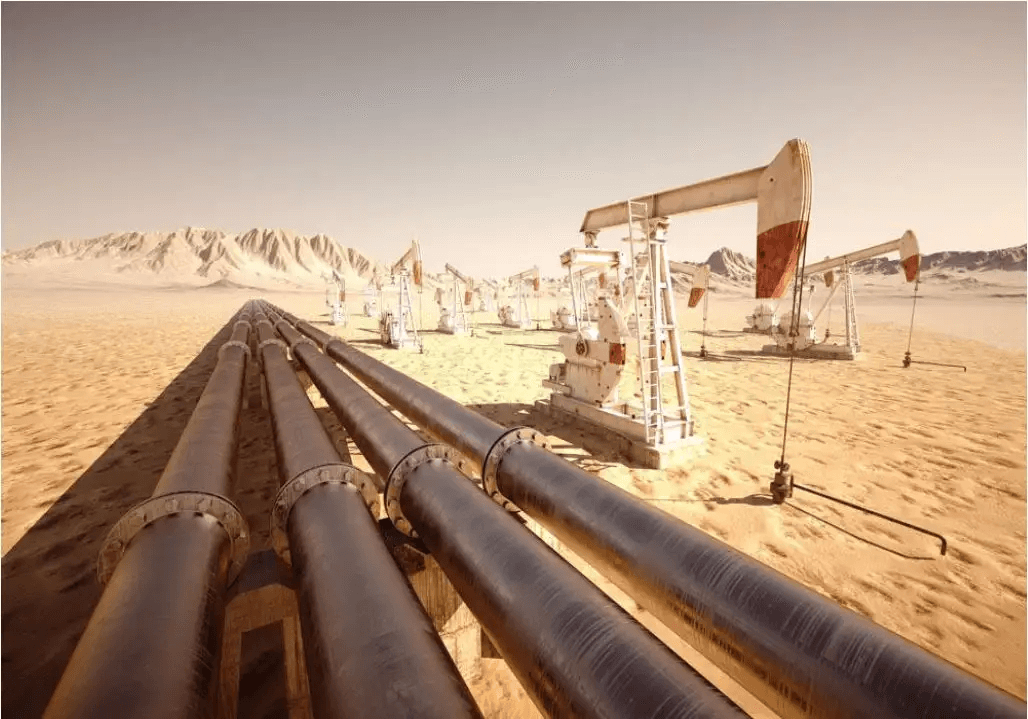
Diesel power independence
Diesel air compressor variants (diesel engine and alternators) operate off-grid, and provide energy for remote oil fields or disaster-response pipe repairs where electricity is unavailable.
Zero contamination assurance
Unlike “oil-less” reciprocating compressors (which may use lubricated crankcases), true oil-free screw/scroll compressors have sealed compression chambers. GHH-certified air ends in models like Kotech’s KOP series guarantee ISO Class 0 air.
High-volume output
Modern diesel air compressor units deliver up to 1,600 CFM—sufficient to dry 24-inch pipelines at 3 km/day rates, minimizing production losses.
4 FAQs about pipeline drying compressors
1. Can oil-flooded compressors be used if filters are added?
Not safely. Coalescing filters remove liquid oil but not vaporized hydrocarbons (0.01–0.1 μm). Only oil free air compressors guarantee elimination of molecular oil contamination.
2. Why choose diesel over electric portable compressors?
Diesel air compressor options provide autonomy in field operations and deliver higher torque for startup loads. Electric models suit urban sites with stable power
3. What dew point is needed for pipeline drying?
Target ≤-40°C for most applications. Gas pipelines in cold climates require -100°C to prevent ice plugs. Achievable with dual-tower desiccant dryers.
4. How are flow rates calculated?
Required CFM = Pipeline volume (ft³) × [3–5 air changes] / Target time (hours). For example, a 10,000 ft³ pipe that need to be dried in 10 hours will require 3,000–5,000 CFM compressed air flow.
Conclusion
In pipeline cleaning, as infrastructure ages and maintenance cycles accelerate. Adopt an oil free air compressor with drying system can bring a triple win: speed that restores revenue streams, safety that prevents catastrophic failures, and compliance that keeps regulators at bay, transforming post-maintenance workflows from costly delays into seamless transitions.