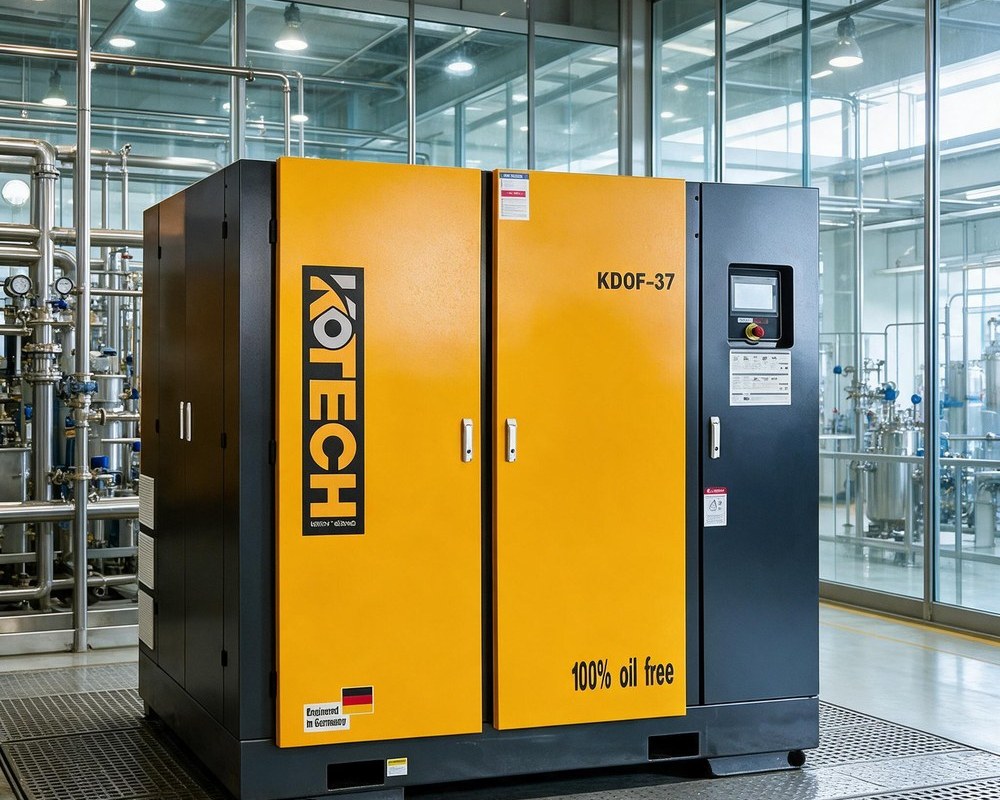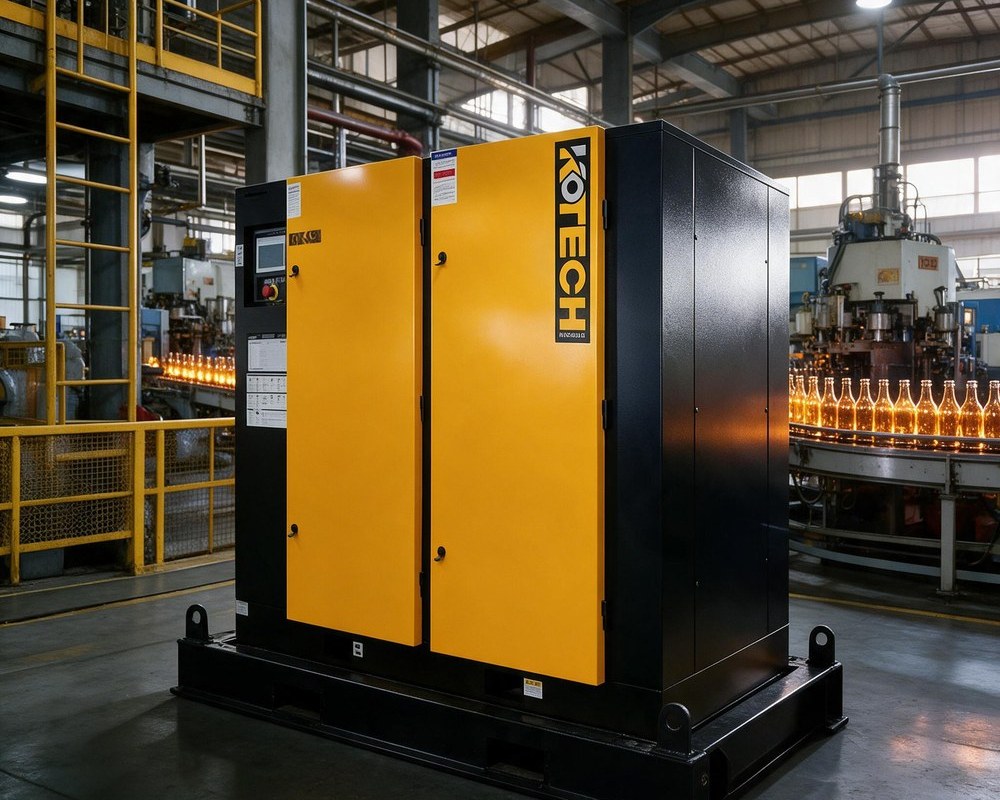




A small quarry in a region with a fragile electrical grid faces a dilemma that large, well-connected mines never meet: compressed air is essential for drilling, secondary breaking and plant instrumentation, but the transformer, feeder line and voltage stability cannot support an oversized compressor station. Specify too large a motor and the machine trips on start-up or drags the line voltage down for every other consumer. The answer is not to abandon electric drive for diesel, but to design a compact low pressure screw compressor station sized around the actual grid capacity and the quarry’s real pressure needs. Done well, the approach delivers lower running cost than diesel while living within the limits of a weak supply.

What a weak grid really constrains
A weak-grid site is defined less by the headline transformer rating than by what happens when a large motor starts. Voltage at the compressor terminals sags under the inrush current, and if the feeder is long or lightly built, that sag can trip the machine, disturb variable-speed drives elsewhere and shorten motor and contactor life. Before sizing any compressor, the quarry needs a realistic picture of steady-state voltage, the spare capacity of the transformer, the conductor size and length of the feeder, and what other loads share the same supply.
This is why a single large compressor is often the wrong choice even when its average air demand seems to justify it. A station built from smaller frames spreads starting current, allows machines to be started sequentially and keeps running if one unit is serviced. Low-pressure screw compression helps on the energy side: quarry drilling and general plant air rarely need the full 8 to 10 bar that general-purpose compressors deliver, and producing air at the pressure the tools actually use — often 1.5 to 5 bar for low-pressure duties — cuts the kilowatt drawn for every cubic metre of air.
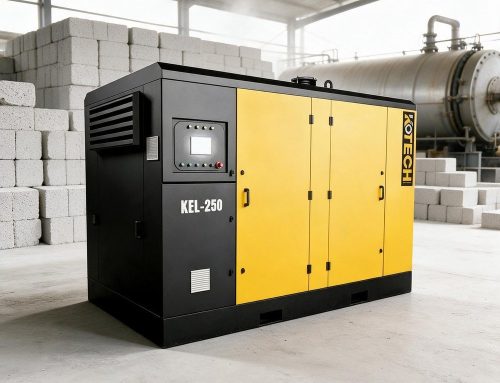
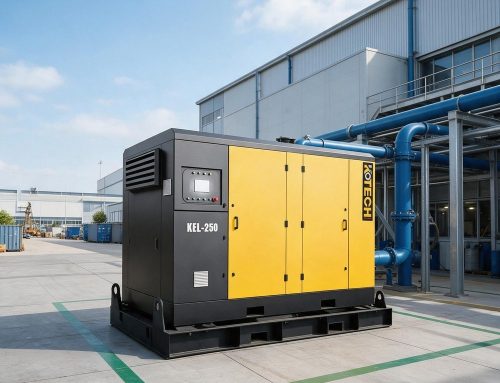
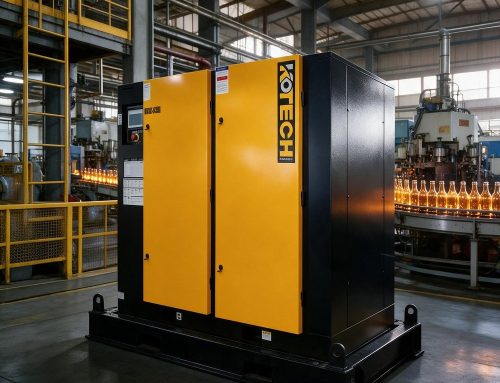
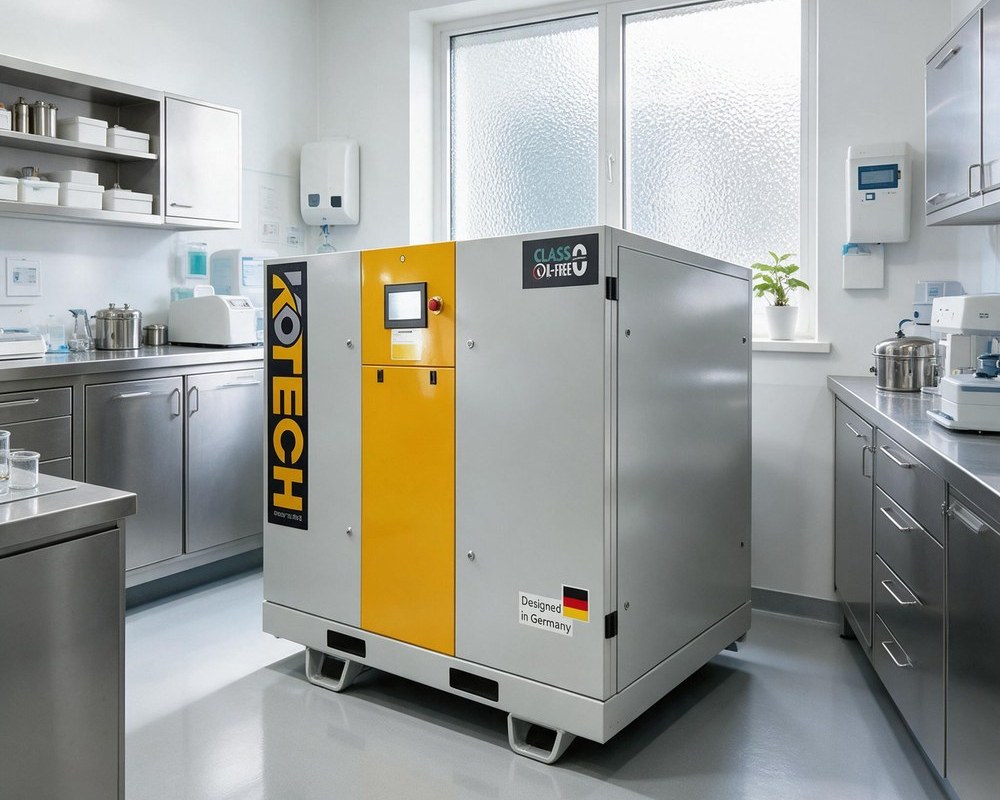
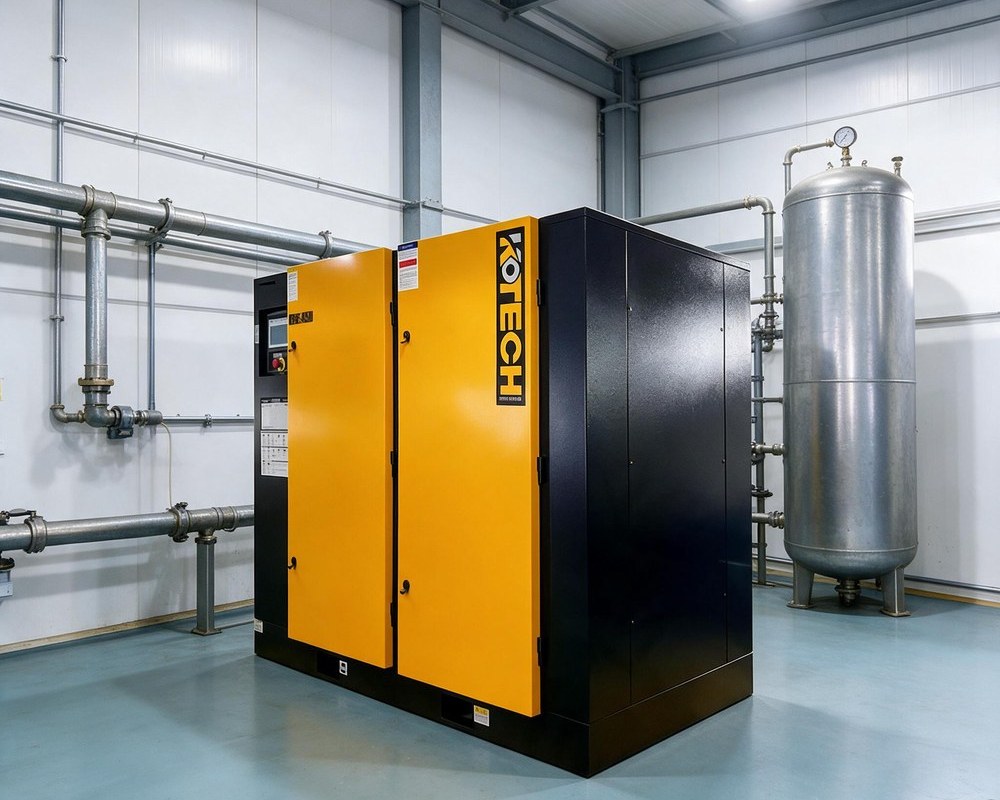
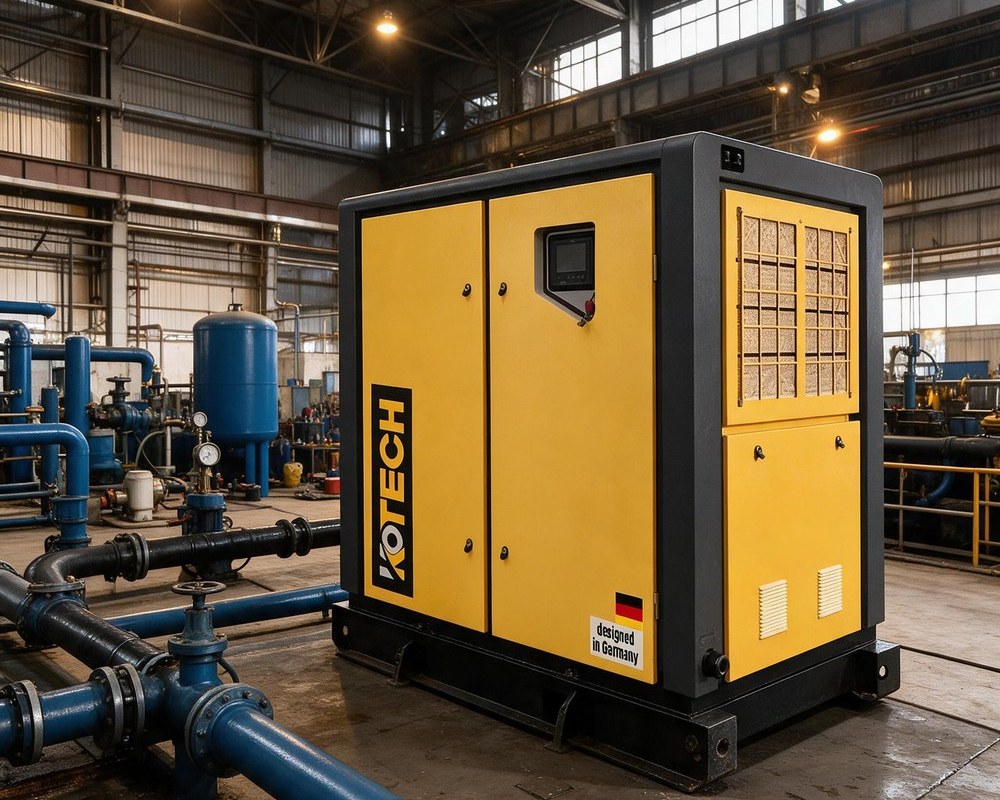
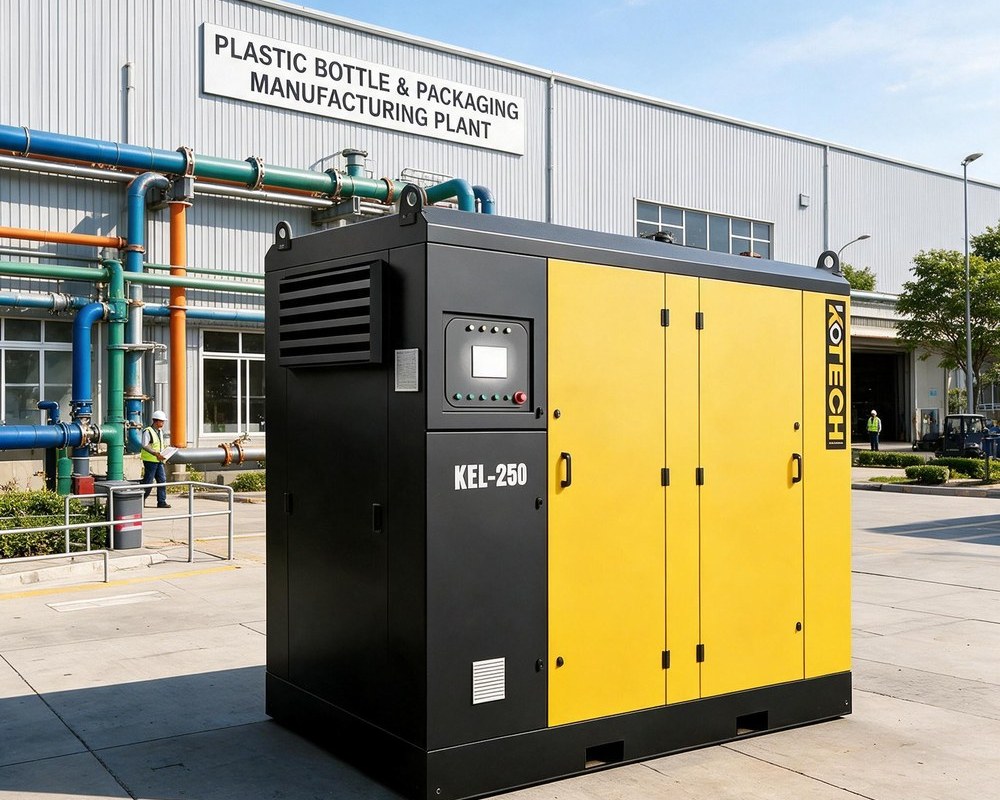
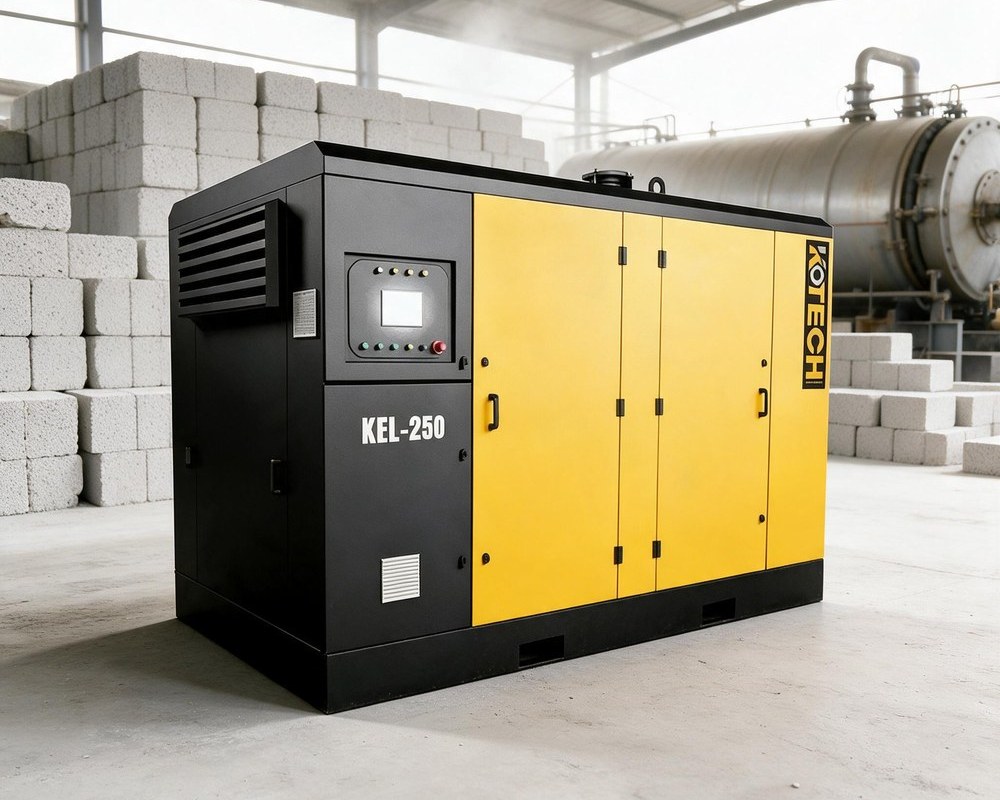
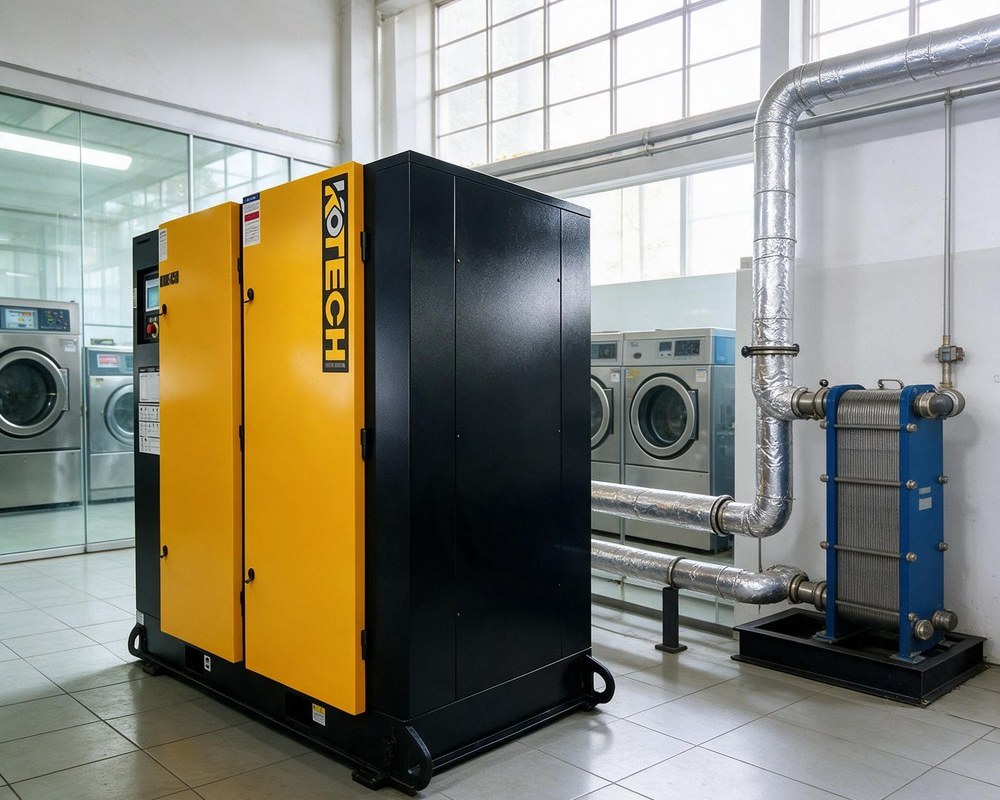
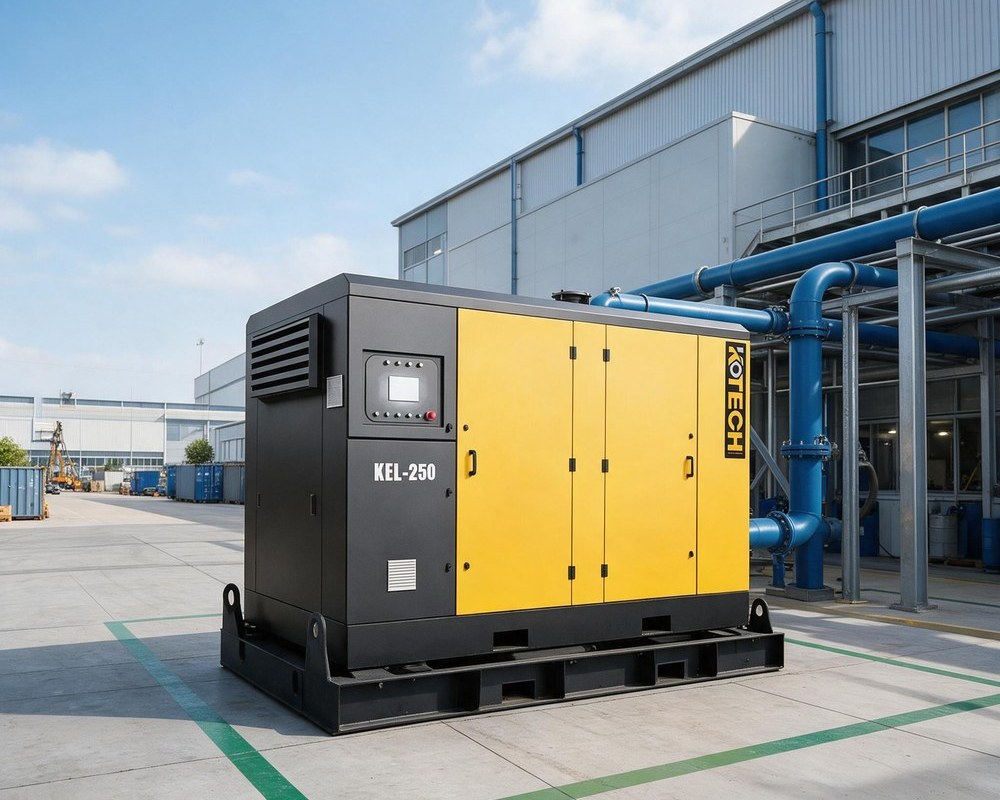
The KEL low-pressure screw range is built for this window, with single-stage frames such as the 37 kW KEL-37 delivering about 16.1 m³/min, the 55 kW KEL-55 around 25.7 m³/min, the 75 kW KEL-75 about 35 m³/min and the 110 kW KEL-110 reaching roughly 53.4 m³/min at the low end of the pressure range. Choosing among these by grid capacity rather than by maximum theoretical demand keeps each start within what the feeder can absorb.
- Measure steady voltage, transformer spare capacity and feeder impedance before choosing a frame
- Several smaller machines start sequentially and tolerate a weak supply better than one large motor
- Producing only the pressure the tools need reduces kilowatt per cubic metre
- Low-pressure screw frames match typical quarry drilling and plant-air duties
Sizing air demand against electrical capacity
The sizing exercise works from two directions at once. From the process side, list the air consumers — the drill rig or rigs, down-the-hole hammers where fitted, secondary breaking tools, baghouse pulse cleaning and instrumentation — and establish which run together and for how long. From the electrical side, translate each candidate compressor’s motor power and starting current into the voltage sag it would produce on the actual feeder. The chosen station is the combination that covers normal demand while keeping the worst-case start within acceptable voltage limits.
Variable-speed drive versions deserve particular attention on weak grids because they start softly and modulate output instead of loading and unloading, which both trims peak current and saves energy during the low-demand periods that small quarries often have between truck cycles. Where the feeder cannot support even the largest single frame, splitting capacity across two machines — for example two smaller KEL frames rather than one big unit — means the second machine simply does not start until air demand requires it, and one remains available if the other is offline. A suitably sized receiver smooths short peaks so the compressors are not sized purely for transient tool demand.
Pressure selection should be conservative and deliberate. Running a low-pressure frame at a modest set point within its design band protects both energy use and stability, while the piping and receiver are sized to limit pressure drop across the quarry so the tool still receives adequate pressure even though the compressor outlet is low.
- Build the demand profile from simultaneous consumers and their duty cycles
- Check each candidate motor’s starting current against predicted feeder voltage sag
- Prefer soft-starting variable-speed frames and sequential starting on fragile supplies
- Use a receiver and generously sized piping to cover peaks without raising set pressure
Real KOTECH KEL low-pressure screw compressor models
Live product-page data for single-stage frames at the low-pressure end; variable-speed and higher-pressure variants extend the range.
Live product-page figures for single-stage KEL frames at the low-pressure end. Higher-pressure KEL variants extend toward 5 bar, so the final frame is confirmed against the quarry’s target set point and the site’s electrical study.
Protecting the station and the grid
A weak-grid installation needs protection that a strong-grid site can take for granted. Correctly rated switchgear, motor protection and, where used, properly configured variable-speed drives guard against under-voltage, phase loss and over-current events. Power-factor correction may be warranted to reduce feeder current and free transformer capacity, though it must be coordinated with variable-speed equipment to avoid resonance. A stable, clean earth and surge protection matter in exposed quarry locations where lightning and overhead lines are common.
Physical protection is equally important in a dusty, rocky environment. An enclosed cabinet with good intake filtration keeps abrasive dust off the air end and cooler, while siting the station on a level pad away from blast areas and vehicle traffic reduces impact and contamination risk. Ventilation must allow the heat rejected by the motors and coolers to escape, because high ambient temperature combined with low voltage compounds thermal stress. A small, purpose-built compressor shelter with ducted ventilation gives a weak-grid machine the best chance of a long, reliable life.
- Fit under-voltage, phase-loss and over-current protection and a reliable earth
- Coordinate any power-factor correction with variable-speed drives
- Use enclosed cabinets, quality intake filtration and a protected, ventilated shelter
- Keep the station clear of blast zones, dust plumes and heavy vehicle movement
Operating cost versus the diesel alternative
Many small quarries default to diesel portable compressors because they appear to need no electrical infrastructure, but the running-cost comparison usually favors a properly sized electric station wherever a grid connection exists. Electric motors have far fewer service items than diesel engines, need no fuel deliveries or on-site storage, and avoid the spill, theft and price-volatility problems that accompany diesel in remote regions. Energy cost per unit of air is typically lower, and the low-pressure screw design widens that gap by avoiding unnecessary compression.
The sensible hybrid is to keep the grid station for normal production and retain a diesel portable only for genuinely mobile or backup duty, such as work at a remote face or outage cover. This division lets the quarry capture electric efficiency for the majority of running hours without giving up resilience. As the grid strengthens or output grows, additional low-pressure frames can be added to the same station in a modular way, protecting the original investment rather than forcing the replacement of an oversized single machine.
- Electric stations avoid fuel logistics, storage risk and diesel engine servicing
- Low-pressure compression lowers energy cost per cubic metre versus 8 to 10 bar machines
- Keep a diesel portable only for mobile faces and outage backup
- Expand the electric station modularly as the grid and output grow
Buying tips
- Commission a simple electrical study — transformer spare capacity, feeder size and voltage sag — before selecting motor power.
- Prefer several smaller, sequentially started frames over one large compressor where the grid is fragile.
- Choose the pressure band around the real tool requirement, using low-pressure frames rather than throttled general-purpose machines.
- Specify soft-starting variable-speed drives, adequate receivers and generously sized piping to manage peaks and voltage.
- Plan a protected, ventilated compressor shelter and keep a diesel portable only for mobile or backup duty.
Frequently asked questions
Can an electric compressor work on a weak grid?
Why use a low-pressure compressor in a quarry instead of a standard 8 bar machine?
Is one large compressor better than several small ones for a small quarry?
How does a variable-speed drive help on a fragile supply?
Should a small quarry abandon diesel compressors entirely?
If your quarry operates on a limited grid and you need a compact electric air station matched to your voltage and pressure conditions, share your transformer capacity, feeder details and air demand for a KEL-based proposal.