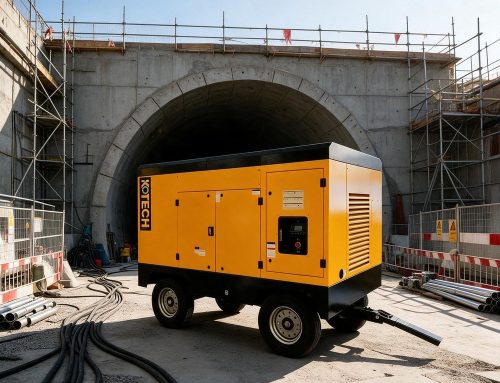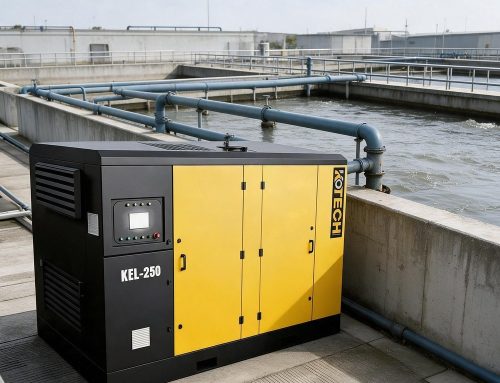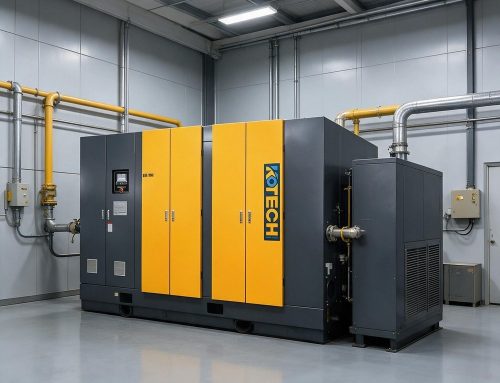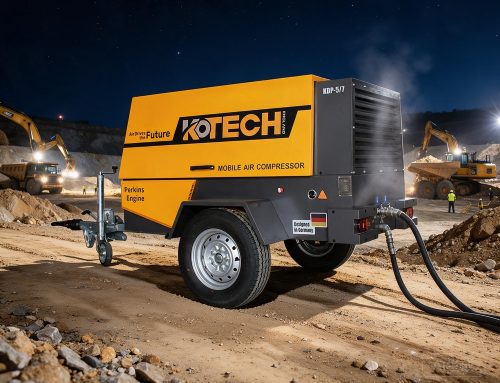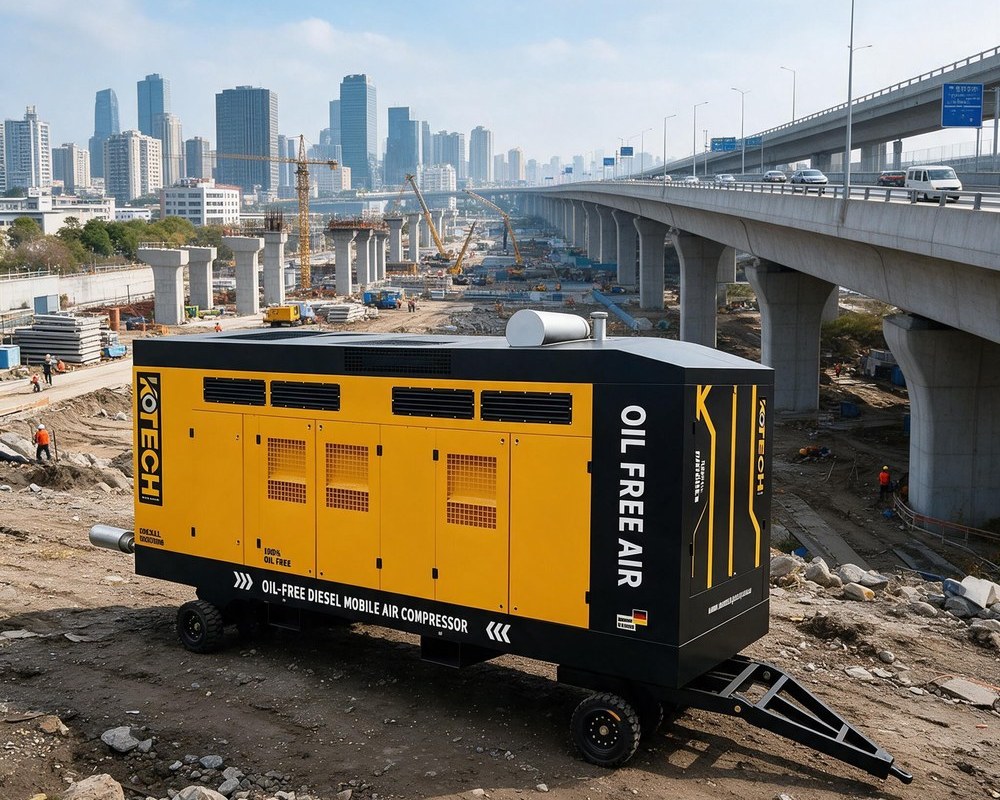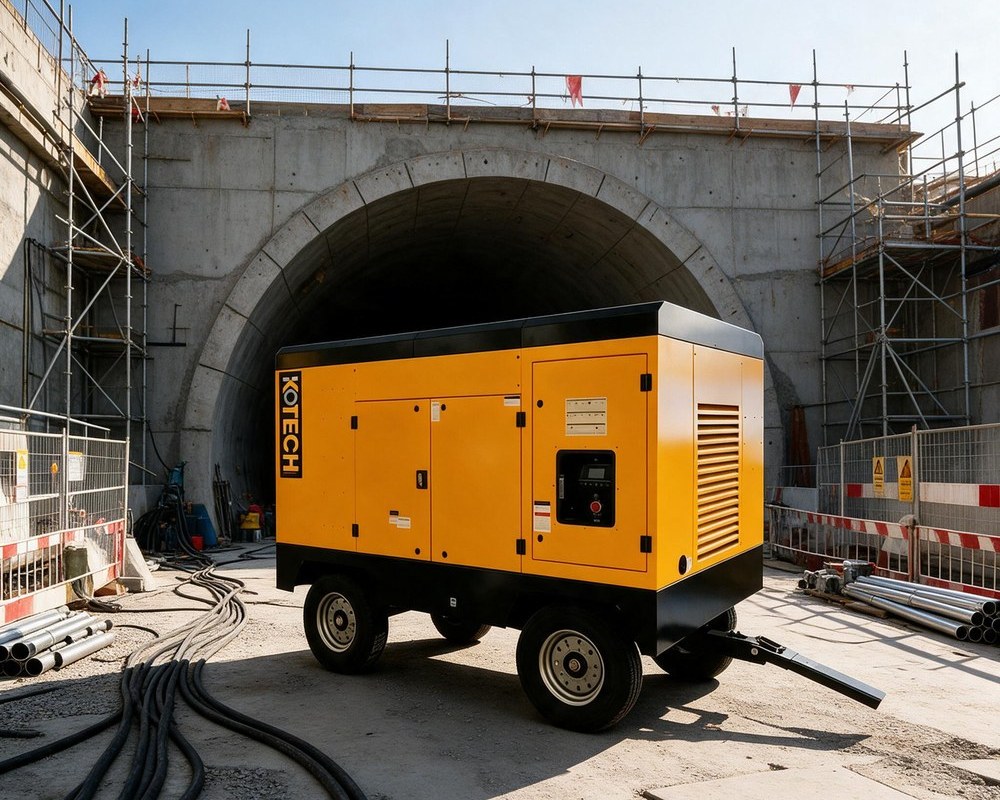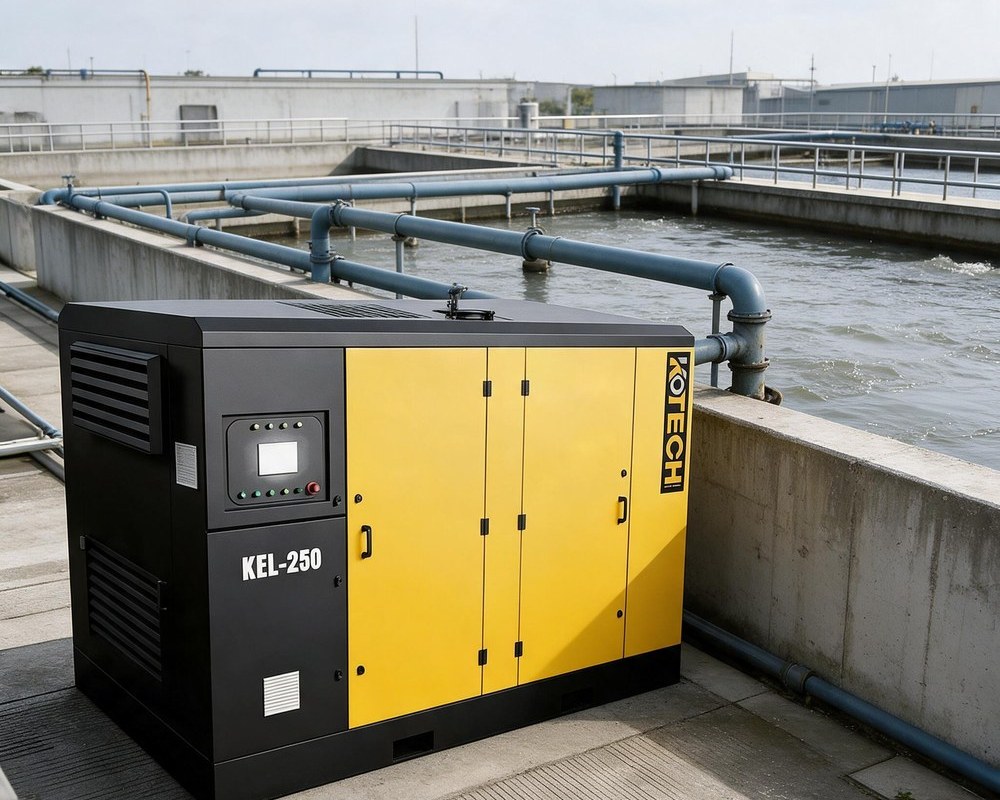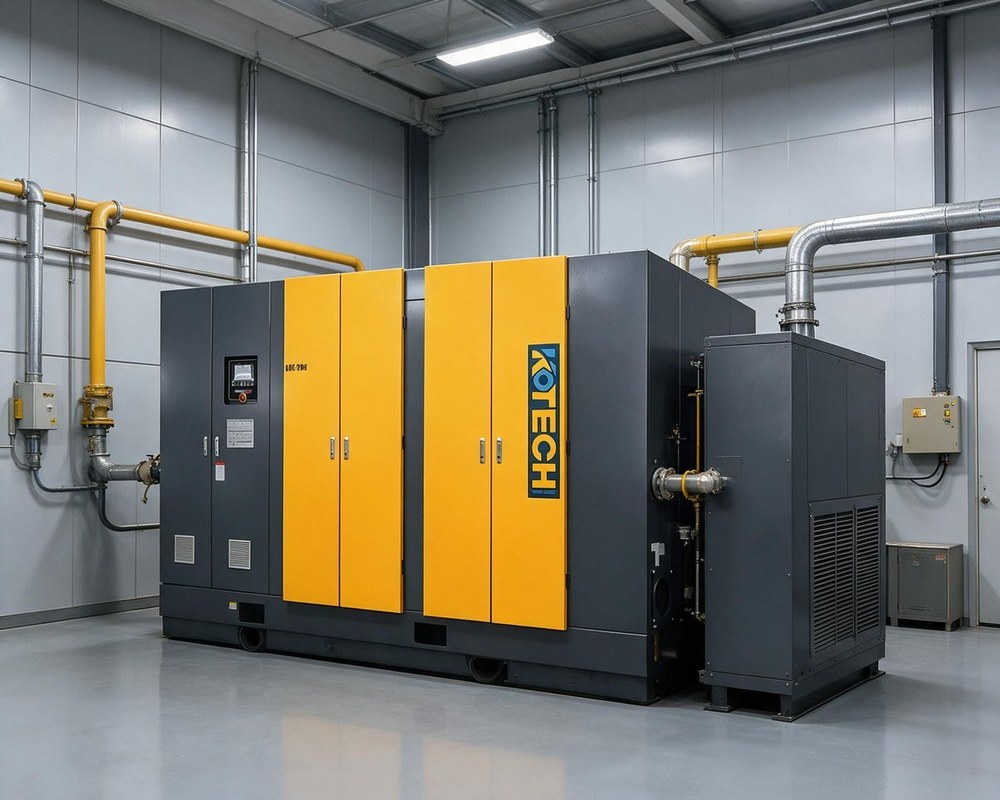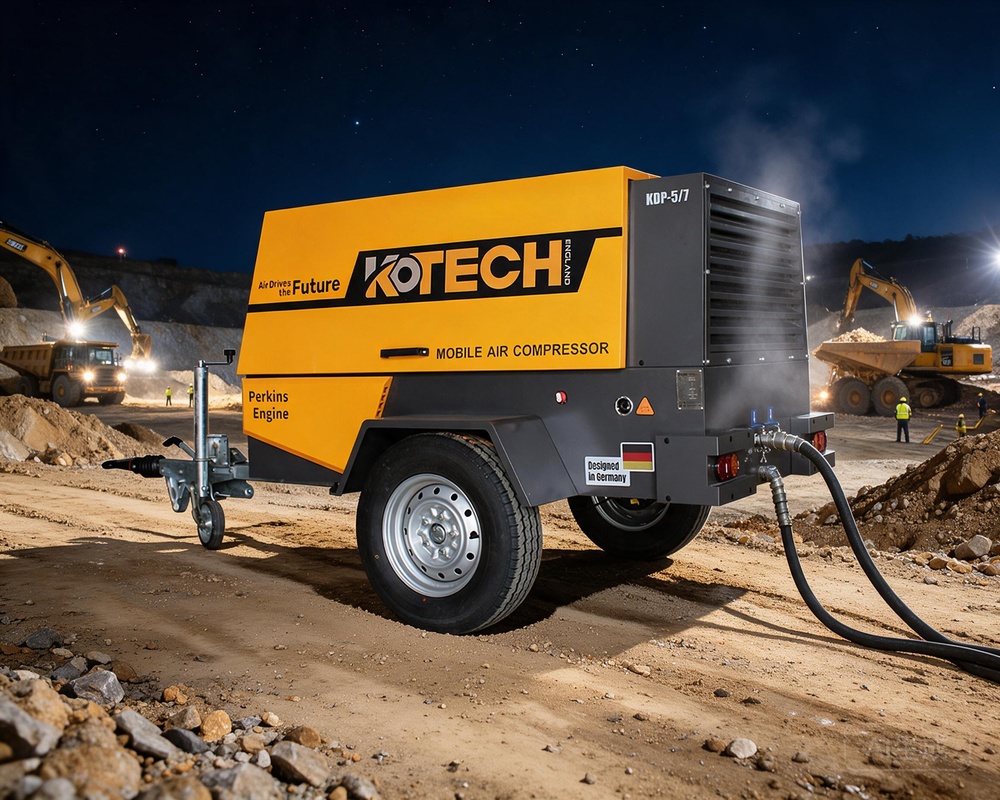




When an African gold mine expands from a handful of drill rigs to a larger fleet, the air-power question changes. Should every drill carry its own portable compressor, or should the mine build one central air compressor station feeding the rigs through a piping network? The answer affects capital cost, fuel burn, maintenance teams, and what happens to production when a single machine fails. This guide compares the two layouts for real mining conditions and shows where the current KOTECH KDS skid-mounted units fit.
How the two layouts actually differ
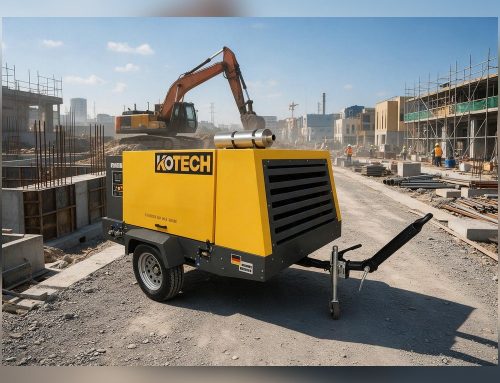
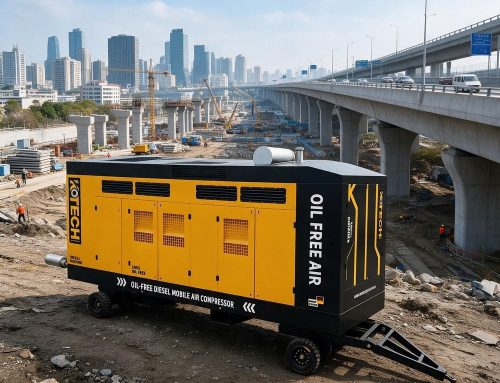
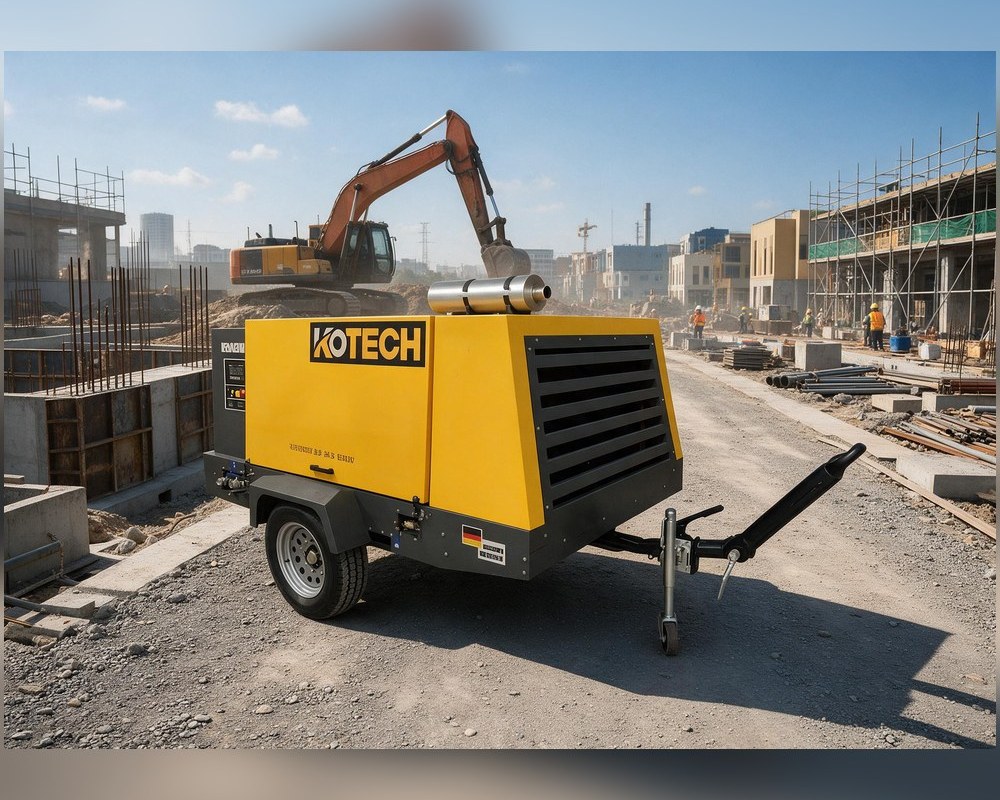
In the one-compressor-per-drill layout, each rig is paired with a portable or skid unit sized to that drill’s hammer. Air travels a short distance, the rig is self-contained, and the mine can add or move a drill without reworking infrastructure. The cost is duplication: every rig carries its own engine, its own fuel handling, and its own maintenance schedule, and machines are often sized to peak demand even when the drill runs lighter.
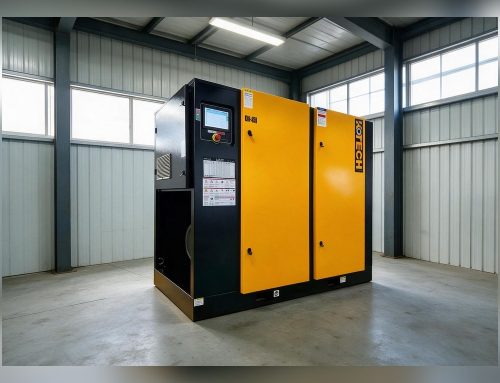
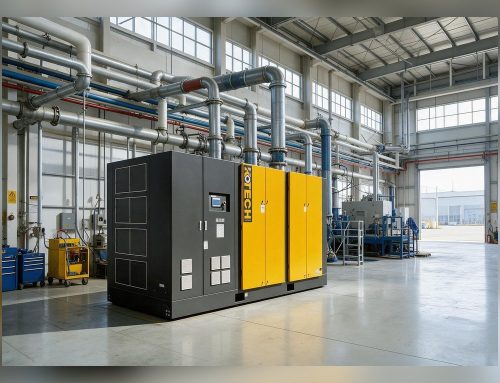
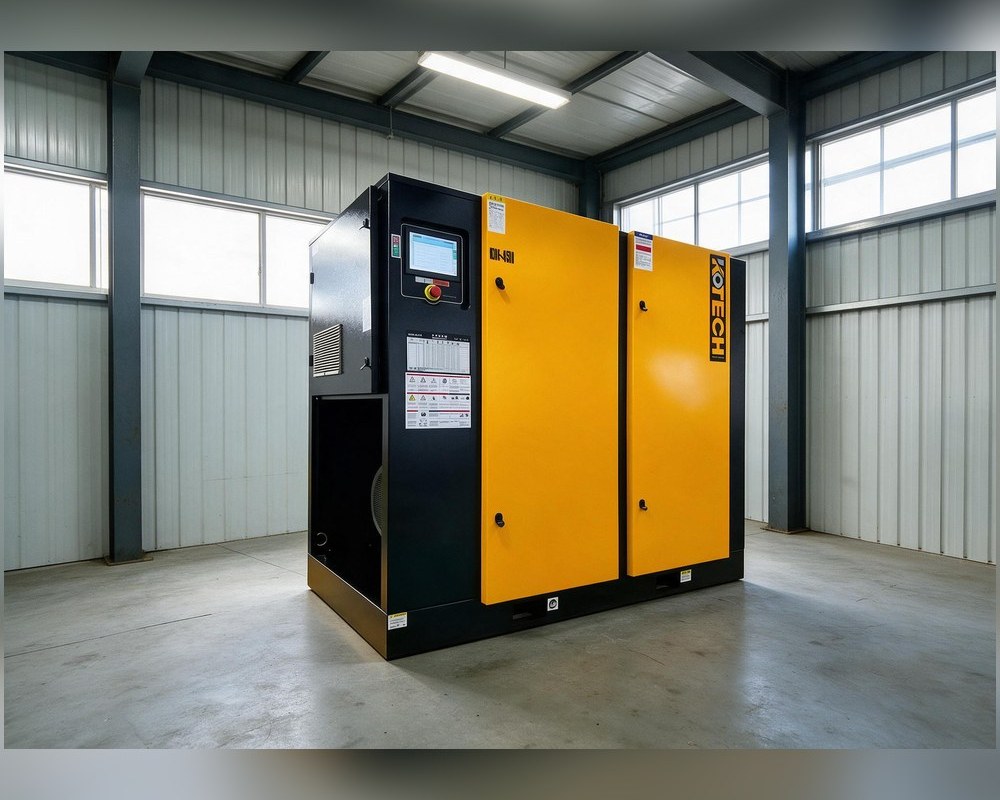
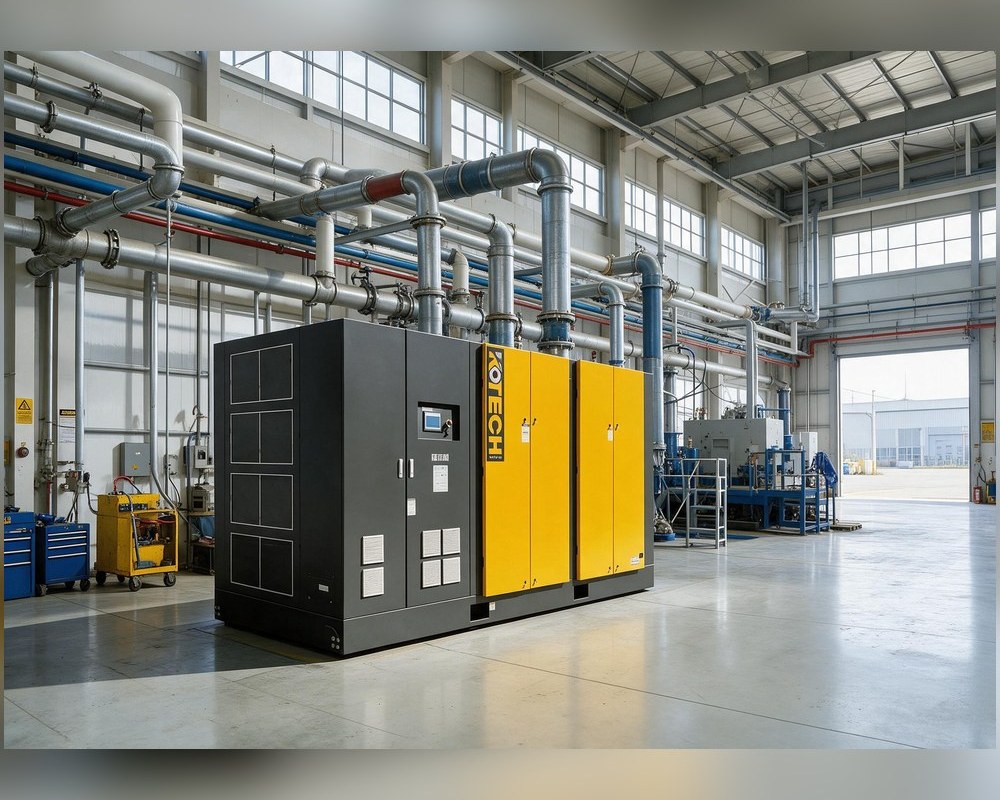
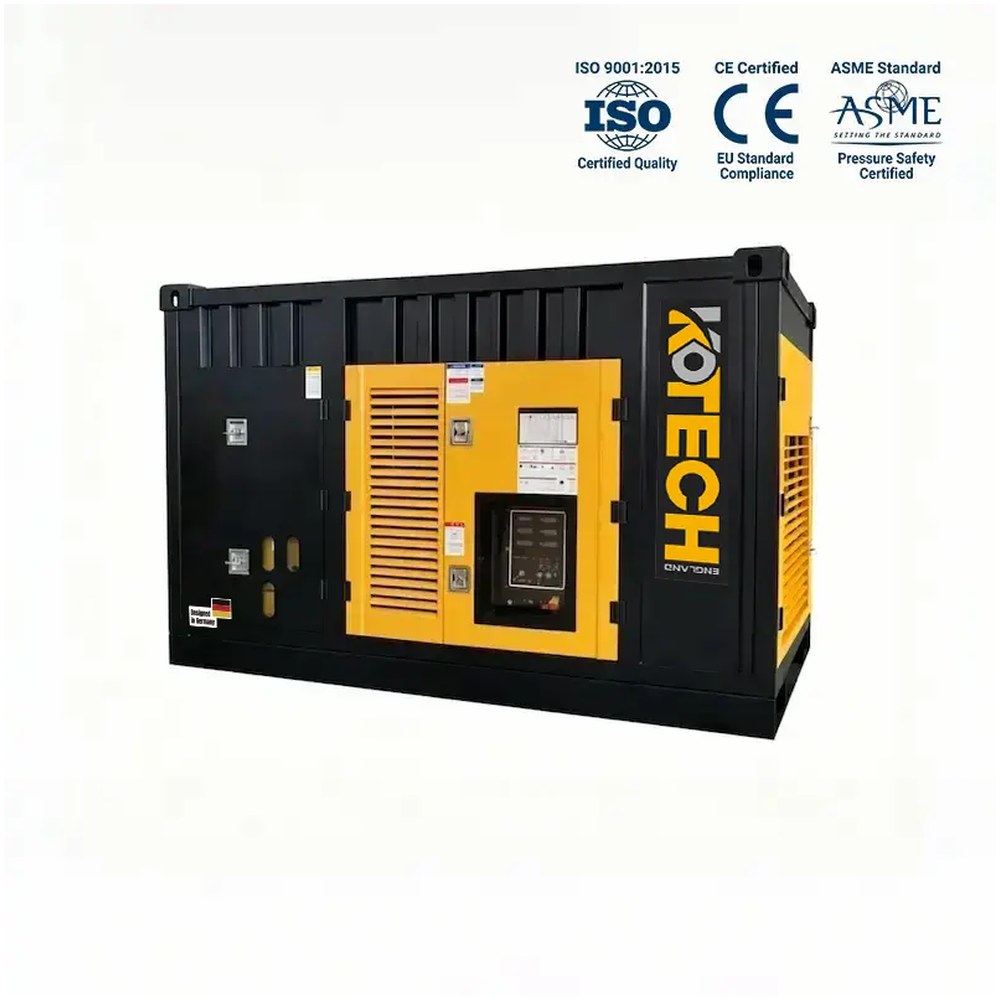
In a central air compressor station, several larger skid-mounted units sit at a fixed plant location and feed a piped network to the working areas. The mine can size total capacity to combined demand, run only the machines it needs at a given time, and concentrate fuel storage and maintenance in one place. The trade-off is the upfront piping network and the fact that every rig now depends on that station and its distribution design.
- Per-drill layout is self-contained and easy to move but duplicates engines and service
- Central station concentrates capacity, fuel, and maintenance in one location
- Central layout needs an upfront piping and distribution network
- Station design creates a shared dependency that must be planned for
Fuel, labour, and the maintenance argument
At a remote mine, fuel and maintenance logistics often outweigh the sticker price of the equipment. A fleet of small per-drill compressors means refuelling many points across a site, often over uneven ground, with more opportunities for spillage and waste. Each machine also needs its own filter changes, oil checks, and fault response, which spreads a small maintenance team thin.
A central station turns that into a single controlled location: bulk fuel storage, a defined fuelling point, and a row of machines a technician can service in one visit. Where demand varies during the shift, the station can bring compressors online or idle them rather than running every per-drill engine at partial load. For mines measured on cost per operating hour, that concentration is usually the strongest argument for the central layout.
- Bulk fuel at one point reduces handling, spills, and transport around the pit
- One service location is far easier on a small maintenance team
- Machines can be staged to match combined demand instead of all idling
- Partial-load running of many small engines is replaced by matched station output
Redundancy and the cost of a single failure
The usual objection to a central station is that it looks like a single point of failure. In practice, a well-designed station uses multiple compressors rather than one giant machine, so a unit being serviced or repaired only removes part of the capacity while the others continue. The piping network can also be valved so that sections stay supplied while work is carried out.
The real vulnerability is poor design, not the central concept. An undersized station, a single unvalved main, or no spare capacity means one fault cuts air to every drill. Conversely, per-drill layouts are only truly redundant when the mine keeps spare portable units, because a single failed compressor still stops the one drill it is attached to.
- Multiple machines at a station prevent one fault from stopping the whole mine
- Valved piping lets sections stay supplied during service
- A single unvalved main or no spare capacity is the genuine risk
- Per-drill redundancy only exists if the mine carries spare portable units
Real KOTECH KDS skid-mounted compressors
Selected current factory specifications for the KDS diesel skid-mounted family used in central mining air stations.
The table shows a cross-section of current KDS skid-mounted models from the compact KDS-10/7 to the large KDS-35/34, with flow, pressure, engine, and power as published on the KOTECH product page. A central station is normally built from several such units selected so that combined output covers the drill fleet with one machine worth of redundancy. Smaller mines may start with two or three mid-range units and add modules as the pit deepens, rather than installing one oversized compressor at the start.
Piping, pressure, and altitude in African conditions
A central station only works if air reaches the drills at the pressure the hammers need. Pipe diameter, network length, leaks, and the number of rigs drawing air at once all cause pressure drop, so the distribution system has to be sized as carefully as the compressors. Under-sizing the pipework is a common reason central layouts are judged a failure even though the station itself has enough capacity.
High-altitude mines add a second consideration, because engine output and air density fall as elevation rises, and high ambient temperatures around 50 °C test the cooling systems. Selecting machines rated for the actual altitude and temperature, and allowing margin in both flow and pressure, prevents the station from sagging in the hottest part of the shift.
- Size pipe diameter for combined flow to limit pressure drop at the hammer
- Account for leaks and several rigs drawing air at the same time
- Derate for altitude and verify cooling for high ambient temperatures
- Keep pressure and flow margin for the deepest, furthest drill points
Buying tips
- Compare full delivered cost per operating hour, not just equipment price
- Build station capacity with one machine of redundancy rather than one large unit
- Size the piping network for combined flow before ordering compressors
- Allow for altitude derating and 50 °C ambient cooling margins
- Plan a controlled bulk fuel point and a single service location
Frequently asked questions
Is a central air compressor station cheaper than putting a compressor on every drill?
What happens to production if one compressor at the central station fails?
How far can a central station be from the drill rigs?
Do high altitude and heat affect a central station more than portable units?
Can a mine start with per-drill compressors and convert to a central station later?
How many KDS compressors does a typical gold mine central station need?
If your mine is weighing a central station against per-drill air power, share your drill fleet and site altitude with our engineers for a capacity and layout review.