Buyer Guide
B2B / Global
Selection Checklist + RFQ
Mobile Air Compressor: How to Choose the Right Setup for Your Jobsite
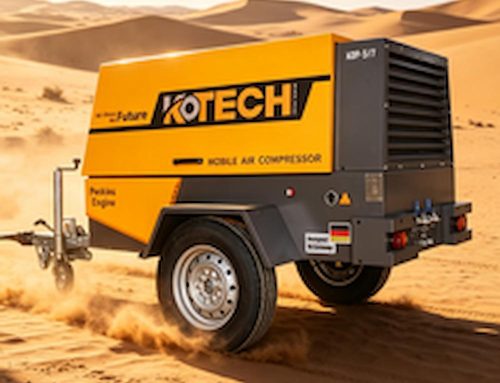
A mobile air compressor is made for projects where a fixed air system isn’t practical—construction sites, road works,
sandblasting, mining support, and rental fleets. To choose correctly, start with
pressure (bar/psi) and airflow (CFM / m³/min), then verify
mobility, serviceability, and local support.
Sizing tip: add 10–20% airflow margin
Trailer vs skid vs truck-mount changes TCO
Always verify datasheet at final quote
Looking for diesel-focused context? Start here:
Diesel Air Compressor
What to compare (EEAT-first, not marketing-first)
Buyers often search using phrases like “electric mobile air compressor”, “truck mobile air compressor”, or “mobile industrial air compressor”.
We cover those intents below—while keeping the language natural and decision-oriented.
How to verify claims (recommended):
request the latest datasheet, confirm the configuration (mounting, power, engine if applicable), and ask for a service/parts plan.
This is how procurement teams reduce downtime risk.
Electric options for a mobile air compressor (when power is available)
An electric mobile air compressor is usually chosen when stable electricity is available or when you operate in enclosed areas
with strict emissions rules. It can be a strong fit for indoor work, depending on duty cycle and site constraints.
Good fit scenarios
- Indoor projects or limited ventilation environments
- Sites with stable electrical infrastructure
- Teams prioritizing lower emissions at the point of use
Common limitations to consider
- Remote jobsites: power availability becomes the bottleneck
- “Generator + electric compressor” adds components and maintenance complexity
Truck-mounted mobile air compressor setups (service fleets & utilities)
A truck mobile air compressor configuration is popular for service fleets because it’s always ready—no towing logistics—and can be
secured with the vehicle. It’s especially practical for field maintenance teams.
What to check before buying
- Mounting method and vibration isolation
- Cooling airflow (important in enclosed truck compartments)
- Maintenance access to filters, separator, coolant, belts/couplings
- Noise and heat management near operators
Serviceability matters: keeping your mobile air compressor running
For B2B projects, downtime is often more expensive than the purchase price difference. Serviceability should be evaluated during procurement,
not after installation.
| Service topic |
What to ask any supplier |
Why it matters |
| Consumables plan |
Air filter / oil filter / separator element list, lead time, typical availability |
Predictable maintenance cost and lower downtime risk |
| Service intervals |
Recommended hours for each item + typical service time |
Helps plan fleet scheduling and staffing |
| Support channel |
Distributor coverage, escalation path, remote troubleshooting |
Faster recovery when issues occur |
| Warranty clarity |
Coverage scope, exclusions (consumables vs major components) |
Reduces procurement ambiguity |
Tip: Keep the “service checklist” in your RFQ so quotes are comparable.
Mobile industrial air compressor use cases (pressure, airflow, duty)
A mobile industrial air compressor typically means: continuous-duty design, stable air delivery under load, and practical protection systems.
Start by mapping your application to pressure and airflow needs, then validate filtration and cooling design for your environment.
| Use case |
Typical working pressure |
Airflow guidance |
Procurement note |
| General pneumatic tools |
~7 bar / 100 psi |
Sum tool demand; add 10–20% margin for peaks |
Confirm stable pressure under multi-tool load |
| Sandblasting |
Often 7–10 bar |
Nozzle size + pressure drive high, stable airflow needs |
Ask about filtration/after-treatment recommendations |
| Road works / demolition |
Commonly ~7 bar |
Medium-to-high airflow depending on tools |
Mobility and durability on rough sites matter |
| Mining support / remote sites |
Often 7–14 bar |
Project-dependent; prioritize reliability |
Dust protection + protection shutdowns reduce risk |
These are common ranges across the industry; final selection should be based on your tools and duty cycle.
How to evaluate mobile air compressor manufacturers (a practical scorecard)
When comparing mobile air compressor manufacturers, use a scorecard to keep decisions evidence-based. This improves
consistency across procurement teams and supports EEAT-style evaluation (clear criteria, verification steps).
| Category |
What “good” looks like |
What to request |
| Performance coverage |
Multiple pressure and airflow options across the lineup |
Model list + datasheets + configuration notes |
| Configuration flexibility |
Trailer/skid/truck-mount options and practical accessories |
Options list / build sheet |
| Serviceability |
Easy access to filters, separator, cooling layout |
Maintenance layout photos/video walkthrough |
| Support |
Distributor network + clear support process |
Support policy + contacts (regional) |
| Lead time & spares |
Predictable production and parts availability |
Typical lead time + spares recommendation list |
“Best mobile air compressor” = best fit for your job (not one-size-fits-all)
There isn’t a single “best” unit for every project. The best choice is the one that matches your pressure/airflow needs with the lowest operational risk,
easiest maintenance, and the support model that fits your region.
Quick comparison: trailer vs skid vs truck-mounted
| Type |
Best for |
Pros |
Trade-offs |
| Trailer |
Frequent site-to-site moves |
Fast deployment, flexible fleet use |
Towing logistics and compliance requirements |
| Skid-mounted |
Stationary sites or frame mounting |
Stable handling by forklift/crane, simple transport |
Less “grab-and-go” than trailers |
| Truck-mounted |
Service fleets & utilities |
Always ready, secure installation |
Not as flexible as a standalone unit |
Sourcing a mobile air compressor for sale: RFQ fields that make quotes comparable
A good RFQ prevents mismatched configurations and speeds up quoting. Use this list so suppliers respond with the same assumptions.
- Country/region of use (for standards and support planning)
- Application (construction, sandblasting, mining, rental, etc.)
- Required pressure (bar/psi)
- Required airflow (CFM / m³/min)
- Preferred mounting: trailer / skid / truck mount
- Environmental notes: dust, temperature, altitude
- Noise limits or working-hour restrictions (if any)
- Preferred power source: electric vs diesel (and engine preference if diesel)
Data reference: typical ranges used in mobile compressor selection
To help you sanity-check options, here are common ranges seen across many portable/mobile compressors (final specs vary by model and configuration).
| Parameter |
Common range (typical) |
How to use this |
| Working pressure |
7–14 bar (100–200 psi) |
Most general tools fit here; higher pressure is for special tasks |
| Airflow |
35–350+ CFM (1–10+ m³/min) |
Select by tool demand; add 10–20% margin for peak loads |
| Noise |
~70–85 dB(A) |
Canopy/enclosure design + site rules determine acceptance |
If you want a stronger “data-backed” section, I can replace the ranges with your specific model table (from your KDP parameters) in a clean, non-spam way.
FAQ (short, decision-focused)
How do I size a mobile air compressor?
Start from your tools’ required pressure and total airflow. Add 10–20% airflow margin to avoid pressure drops under peak load or multi-tool use.
Electric vs diesel—what should I choose?
Choose electric when reliable power is available or when indoor emissions constraints dominate. Choose diesel for remote sites, frequent relocation, and heavy outdoor duty where grid power isn’t practical.
What should I ask before buying (to reduce downtime risk)?
Request the latest datasheet, confirm configuration (mounting, power, options), and ask for a consumables list + service interval plan + local support path.
Disclaimer: The ranges and comparisons above reflect common industry selection practices. Final specifications depend on model and configuration; always confirm details in the official quote/datasheet.