



Send us your working pressure, required airflow (CFM or m³/min), and application (sandblasting/drilling/pipeline). We’ll reply with a suitable KDP Series model, configuration, and a practical quote.
Diesel Engine Air Compressor: How It Works, Key Specs & Buying Checklist
A diesel engine air compressor is built for one thing: reliable compressed air in places where power is limited, unstable, or simply unavailable—construction sites, desert projects, pipeline work, drilling, and rock breaking jobs.
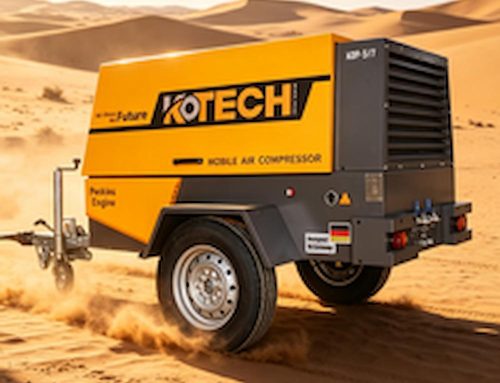
If your work is mostly outdoors (especially in hot Middle East climates) and diesel supply is easy, a diesel portable compressor is often the most practical choice: fast deployment, strong duty-cycle, and less dependence on grid electricity.
In this guide, you’ll learn:
-
how a diesel engine air compressor works (in a simple, field-friendly way)
-
which specs actually matter (CFM, PSI/bar, duty cycle, derating)
-
how to choose the right airflow and pressure for sandblasting, drilling, rock breaking, and pipeline work
-
a buying checklist that avoids the most common “wrong model” mistakes
-
FAQs covering common search terms and buyer questions
Quick specs reference (KDP Series range)

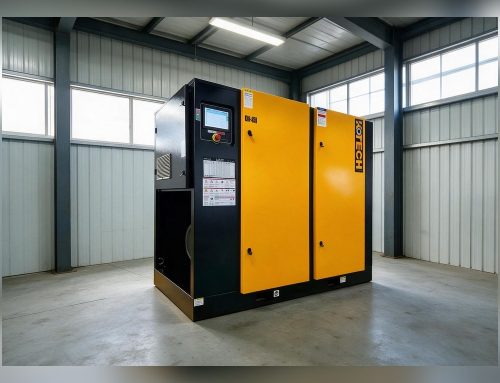
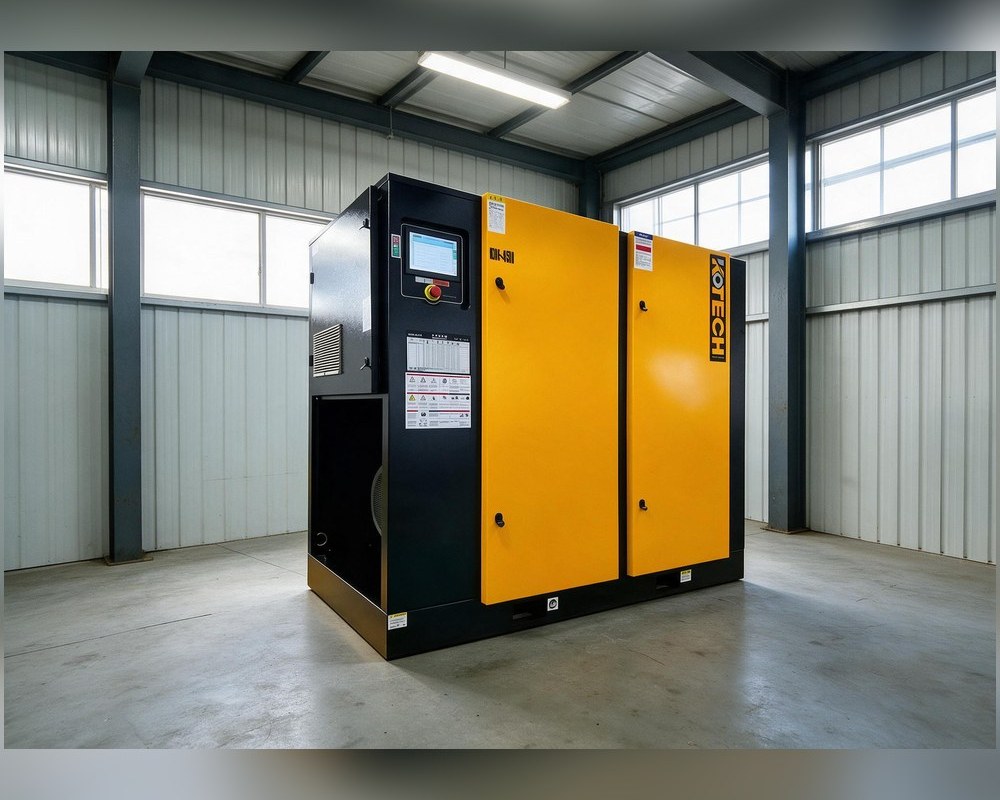
Kotech KDP-375cfm portable air compressor
Below is the typical working range for Kotech KDP Series diesel portable air compressors:
Tip: Always select based on real working conditions (temperature + altitude + continuous running hours), not just a brochure number.
What is a diesel engine air compressor?
A diesel engine air compressor is a self-contained compressed-air system powered by a diesel engine. Instead of using electric power, the engine drives the compressor element (airend) and delivers compressed air to tools and equipment.
Typical use cases include:
-
sandblasting (stable airflow is critical)
-
drilling rigs & DTH drilling
-
rock breaking / jackhammer work
-
pipeline construction & maintenance
-
remote jobsites with high heat, dust, or high altitude
How a diesel engine air compressor works
A simplified flow looks like this:
-
Diesel engine generates mechanical power
-
Power drives the airend to compress ambient air
-
The compressor uses an inlet control system to regulate airflow output
-
Hot compressed air passes through cooling (radiator/aftercooler depending on configuration)
-
Oil/air separation and filtration (for oil-injected screw designs) remove most oil content
-
Air exits through the outlet manifold to hoses/tools, while the controller monitors:
-
discharge temperature
-
pressure stability
-
engine parameters
-
protection alarms & shutdown logic
-

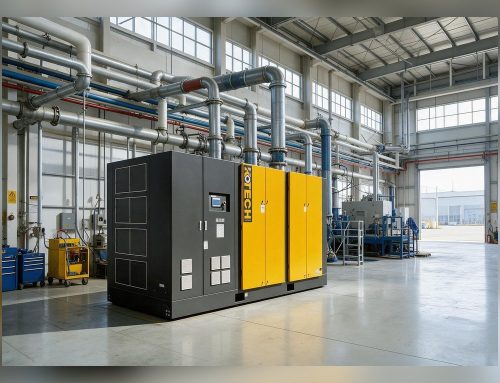
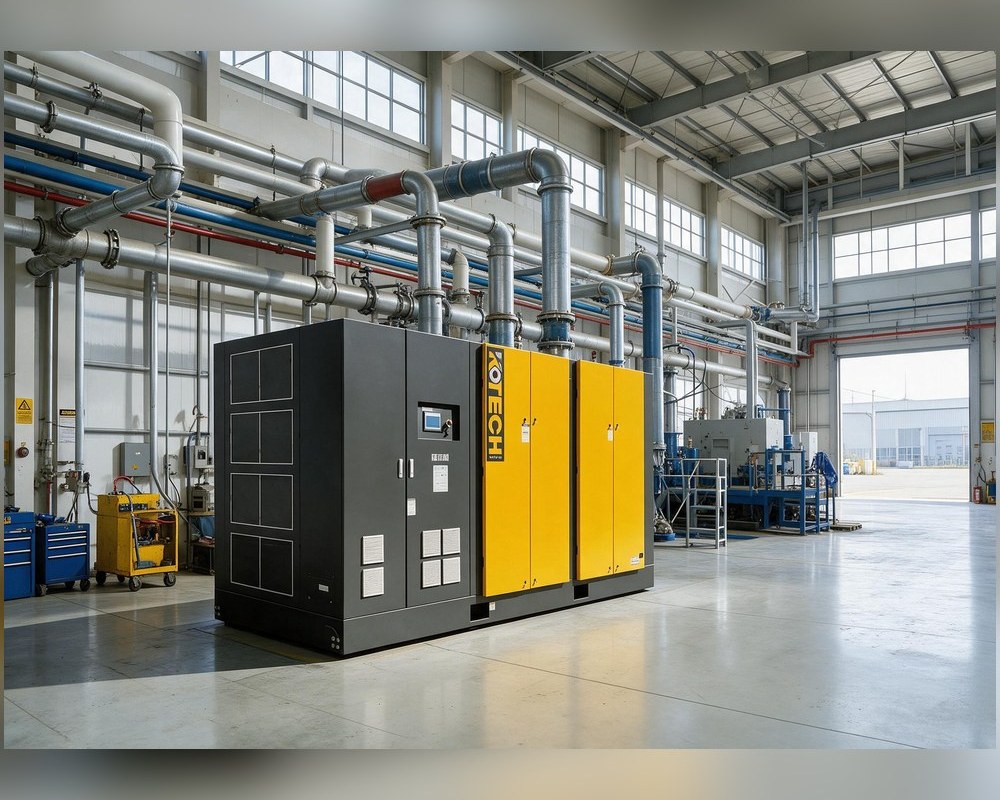
Diesel mobile air compressor and aftercooling combination
This is why diesel units are popular on demanding sites: they’re designed for continuous outdoor operation and can maintain air output where electric systems struggle.
The specs that matter (and how to read them like a buyer)
Don’t get trapped by spec sheets. These are the numbers that truly influence jobsite performance:
Hot climate & high altitude: what changes (Middle East & mountain jobsites)
1) Heat reduces cooling margin
In very hot regions, the system works harder to keep discharge temperatures stable. Practical consequences:
-
higher thermal load → cooling cleanliness and airflow path become more important
-
maintenance frequency may increase (dust + heat is a tough combination)
What to do as a buyer
-
confirm cooling design and service access (radiator cleaning path matters)
-
plan for dust-heavy maintenance routines
-
if your application is sensitive (e.g., blasting quality), discuss aftercooling / moisture control options
2) High altitude causes “derating”
At higher altitude, air density drops. That often means:
-
the engine produces less power
-
the compressor may deliver less airflow under the same load
-
heat dissipation can also change
What to do as a buyer
-
tell the supplier your approximate altitude range
-
size with margin (don’t select at the edge of your requirement)
-
prioritize stable output over “perfect brochure match”
If you’re targeting regions with both high heat and high altitude, selecting with a margin is not “overspending”—it’s reducing downtime and performance loss.
How to choose the right airflow & pressure for your application
Step 1: Identify your process type
-
Sandblasting: needs stable airflow to keep blasting consistent (airflow is often the bottleneck)
-
Drilling / DTH drilling: both pressure and airflow matter depending on rig and hammer requirements
-
Rock breaking / jackhammer: usually moderate pressure; multiple tools can increase total airflow demand
-
Pipeline work: depends on tools (air tools, cleaning, pneumatic equipment) and continuous operation
Step 2: List your tools + quantity
Most sizing mistakes happen because buyers only list one tool, then later run:
-
multiple hoses
-
additional pneumatic tools
-
simultaneous operation
Step 3: Add a safety margin
A practical rule on sites: add 10–20% margin to avoid pressure drop during real work conditions, especially in heat and altitude.
Step 4: Confirm pressure requirement
Pressure must match the application. But don’t over-prioritize pressure if airflow is the true constraint (common in blasting and multi-tool sites).
Application notes (what buyers care about)
Sandblasting (outdoor, heat & dust)
What matters most:
-
consistent airflow delivery
-
moisture control strategy (depending on your blasting quality requirement)
-
easy daily maintenance (filters, radiators, dust cleaning)
Buyer tip: choose a configuration that supports your working rhythm—blasting crews hate airflow instability.
Drilling rigs & rock drilling (DTH / quarry / mining support)
What matters most:
-
pressure and airflow matching to rig needs
-
stable continuous operation
-
durability in dust-heavy work
Buyer tip: if you work at altitude, don’t choose “just enough.” You’ll feel the difference in real output.
Pipeline construction & maintenance
What matters most:
-
mobility and deployment speed
-
stable output across long work shifts
-
serviceability (fast filter changes, easy inspections)
Buyer tip: pipeline sites often move; setup speed and reliability become more valuable than “theoretical top spec.”
Buying checklist (copy/paste this to your RFQ)
Before requesting a quote, prepare these details. It speeds up selection and avoids wrong models:
-
Application: sandblasting / drilling / rock breaking / pipeline
-
Required pressure: bar or PSI
-
Target airflow: CFM or m³/min (or tool list + quantity)
-
Daily operating hours: continuous or intermittent
-
Site conditions: temperature range, dust level
-
Altitude: approximate range
-
Mobility: skid / towable / mounting preference
-
Destination country: for compliance, support plan, and shipping recommendations
RFQ shortcut:
“7–35 bar range, 185–1600 CFM range. Our site is hot outdoor work in the Middle East / high altitude. Recommend a KDP configuration for [application] with stable output.”
Frequently Asked Questions (FAQs)
1) What is an air compressor diesel unit used for?
An air compressor diesel unit is commonly used for outdoor jobsites where electricity isn’t reliable—sandblasting, drilling, rock breaking, and pipeline work. Diesel-powered units are popular in hot regions and remote areas because they’re self-contained and easy to deploy.
2) What’s the difference between an air compressor diesel engine package and an electric compressor?
An air compressor diesel engine package is engine-driven and independent from the grid. Electric compressors depend on power supply and often require additional infrastructure. For outdoor construction and remote work, diesel systems are typically more flexible.
3) Are air compressors diesel units suitable for continuous operation?
Most air compressors diesel models are designed for continuous outdoor duty. The key is selecting the right airflow/pressure with margin and maintaining cooling/filtration properly—especially in hot and dusty environments.
4) How do I choose a diesel air compressor for sandblasting?
For a diesel air compressor, sandblasting usually depends on consistent airflow delivery and stable operation. Share your blasting nozzle size, working pressure target, and working hours/day to size correctly.
5) What should I check before buying a diesel engine air compressor?
For a diesel engine air compressor, confirm working pressure, airflow demand, duty cycle, temperature, dust level, altitude, and serviceability. Real site conditions (heat and altitude) can change performance, so plan margin.
6) What is a diesel engine compressor and how does it work?
A diesel engine compressor uses an engine to drive the compressor element, producing compressed air without external electricity. The controller regulates output and protection logic to support stable jobsite operation.
7) What is a diesel powered air compressor best for?
A diesel powered air compressor is best for outdoor construction, drilling, and pipeline work—especially in regions where diesel fuel is available and power infrastructure is limited.
8) Is a diesel driven air compressor affected by high altitude?
Yes. A diesel driven air compressor can be affected by altitude due to reduced air density and engine derating. If you work at high elevation, select with margin and communicate altitude during model selection.
9) What does diesel powered compressor mean?
A diesel powered compressor simply means the compressor is driven by a diesel engine rather than an electric motor—making it suitable for remote and outdoor applications.
10) What pressure range is common for field diesel portable compressors?
Field diesel portable compressors often cover a wide working range. For KDP Series, typical working pressure can be 7–35 bar, suitable for multiple outdoor processes depending on configuration.
11) What airflow range do you offer for jobsite applications?
KDP Series supports 185–1600 CFM (about 1–35 m³/min) depending on configuration. Exact selection should be based on tools, simultaneous use, and site conditions.
If you tell us:
-
your application (sandblasting / drilling / rock breaking / pipeline)
-
target pressure (bar/PSI)
-
airflow demand (CFM/m³/min) or tools list
-
ambient temperature and altitude
We’ll recommend a suitable KDP Series diesel engine air compressor configuration and send a practical quotation.
- Top 10 Industrial Air Compressor Manufacturers in World 2025
- Best Portable Air Compressors For Your Needs
- Diesel-Powered Mobile Air Compressor for oil and gas exploitation
- Mobile Diesel Driven Air Compressor for Sale
We support buyers with model selection, configuration planning, and practical export delivery for real jobsite conditions (hot climate, dust, and high altitude).
You’ll receive a recommended configuration, packing plan, lead time, and a practical quotation for long-term jobsite reliability.