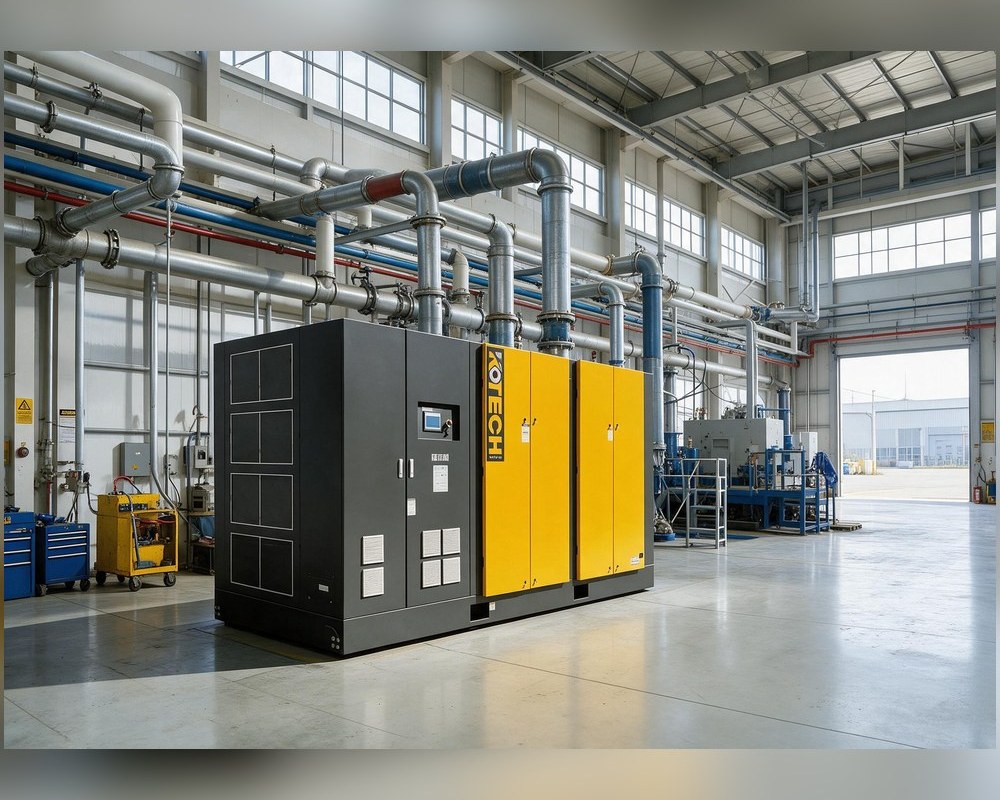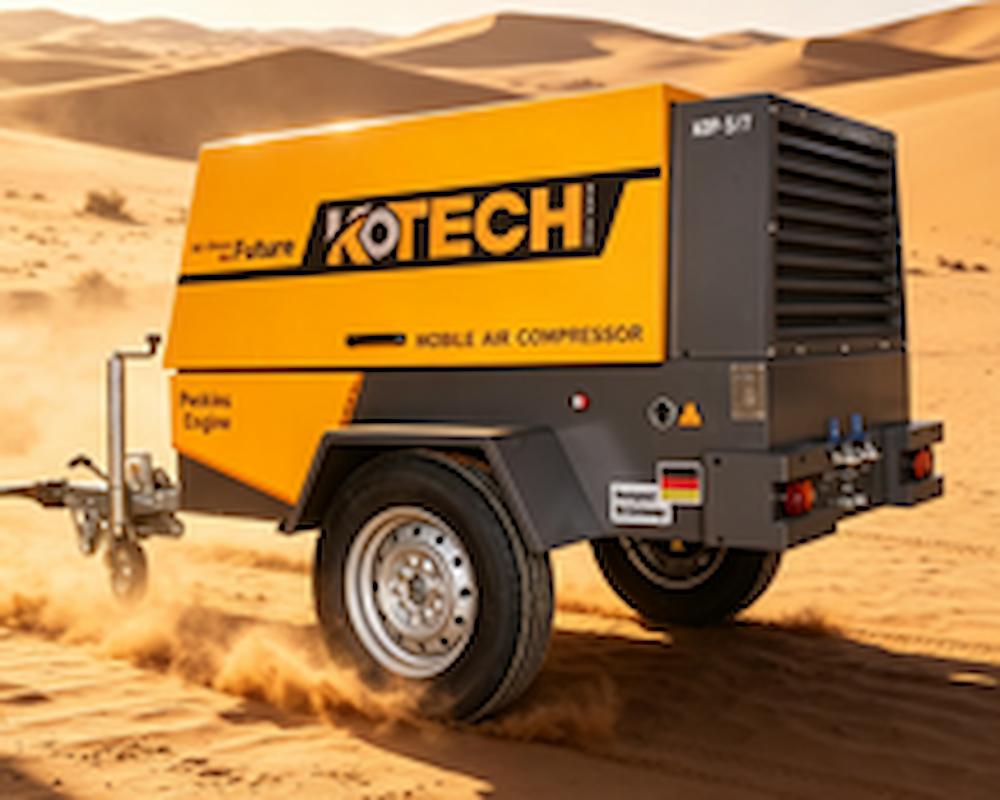




Cold weather can negatively impact the operation of air compressors, making effective cold-weather protection measures crucial. This article will detail specific maintenance measures for protecting air compressors from cold and freezing during winter.
Why winter protection matters for air compressors
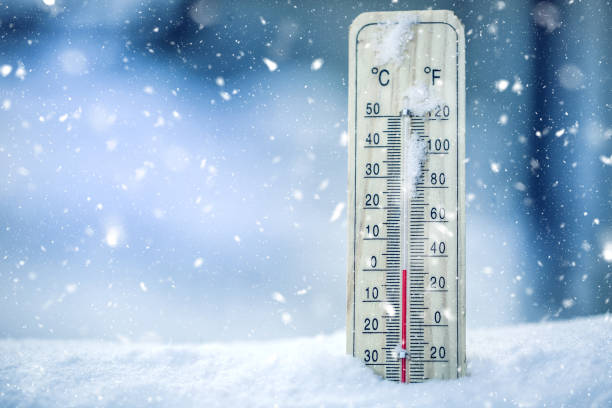
When temperatures drop below 0°C, air compressors face several challenges:
- Lubricant viscosity increase leading to poor startup, insufficient lubrication, and reduced efficiency.
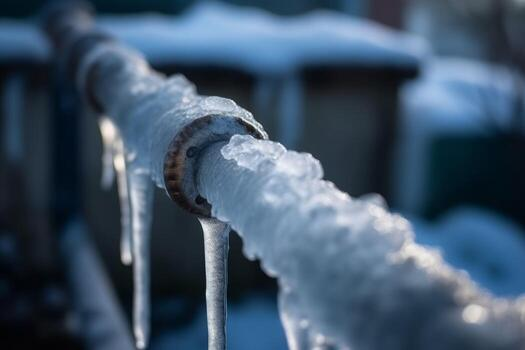
- Freezing of condensate in pipelines, air tanks, and air dryerscausing blockages or pipelines
- Battery power drop and start failure, post-treatment equipment over-load result in substandard pressure dew point, shortened desiccant life, or filter element clogging.
- Diesel waxing and fuel system blockagein diesel air compressors, as well as cracked coolers or components due to unprotected water.
Proper winter air compressor maintenance prevents shutdowns, production losses, and costly damage to the air compressor engine, motor, or air end.
Fuel and engine system winter preparation
Air compressor engines are sensitive to cold conditions. To ensure reliable outdoor operation:
Best practices:
- Use winter-grade diesel suitable for local climate
- Drain water from fuel-water separator every day
- Keep the fuel tank full to prevent moisture condensation
- Fully charge the battery before field work
- Always preheat engine before cranking
- Avoid heavy load immediately after starting
Pro tip: If the air compressor will start repeatedly in cold weather, consider an engine heater or fuel line heater.
Air end and lubricant management
Low temperatures make compressor oil thicker and slow to circulate.
Recommendations:
- Use manufacturer-recommended low-temperature lubricant
- Check oil level before every start-up
- Pre-run the compressor without load for 5–10 minutes until oil temperature reaches 40°C or above
- Avoid sudden load increase to prevent premature wear
Condensate drain and water control
(Most common failure cause in winter)
Moisture in the system freezes quickly and blocks air flow, especially in outdoor use.
Daily actions:
- Drain condensate from air tank, filters, water separators, and dryer
- Inspect drain valves to ensure they are not frozen
- Keep pipe routing downward to avoid water traps
Never keep the air compressor parked overnight with water stored inside — that’s the No.1 reason for system damage in winter.
Special tips for air compressor units with dryer and air tank
These configurations require additional protection:
| Component | Risk | Protection |
|---|---|---|
| Refrigeration air dryer | Freezing inside evaporator | Use only above +5 °C / add insulation & heater |
| Air tank | Water freezing at tank bottom | Enhanced daily draining + insulated drain valve |
| External piping | Ice blockage and cracking | Full thermal insulation + electric heat tracing |
| Pressure sensors & control valves | Icing failure | Keep inside heated enclosure |
If ambient temperature falls below -15°C, running a desiccant air dryer is more reliable than refrigerated air dryers.
Safe shutdown procedures in sub-zero temperature
Before parking the compressor outdoors overnight:
- Run compressor unloaded for 1–2 minutes
- Drain all condensate completely
- Turn off dryer if environment is below freezing
- Cover the unit with windproof insulation
- Remove the battery or keep it warm if possible
Long-term storage in winter
If the machine will be idle for days or weeks:
- Keep fuel tank full
- Seal all ports to prevent moisture entry
- Store indoors or inside a heated enclosure
- Rotate the air end manually once a week to avoid seizing
Quick winter operation checklist
| Interval | Actions |
|---|---|
| Daily | Fuel check, battery check, full drainage, warm-up before loading |
| Every Start | Preheat engine and run compressor unloaded |
| Shutdown | Drain water, apply insulation, check for ice |
| Weekly | Air filter check, fuel filter check, lubricant condition check |
With the right fuel, lubrication, insulation, and drainage procedures, a diesel portable air compressor can perform just as reliably in winter as in summer — even in harsh outdoor environments.
Explore Kotech air compressors
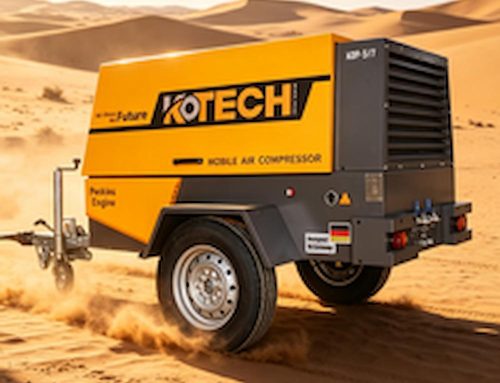
If your project requires high performance and easy winter operation, explore rugged solutions like Kotech diesel portable air compressors (KDP Series) — engineered for mining, construction, and emergency applications.