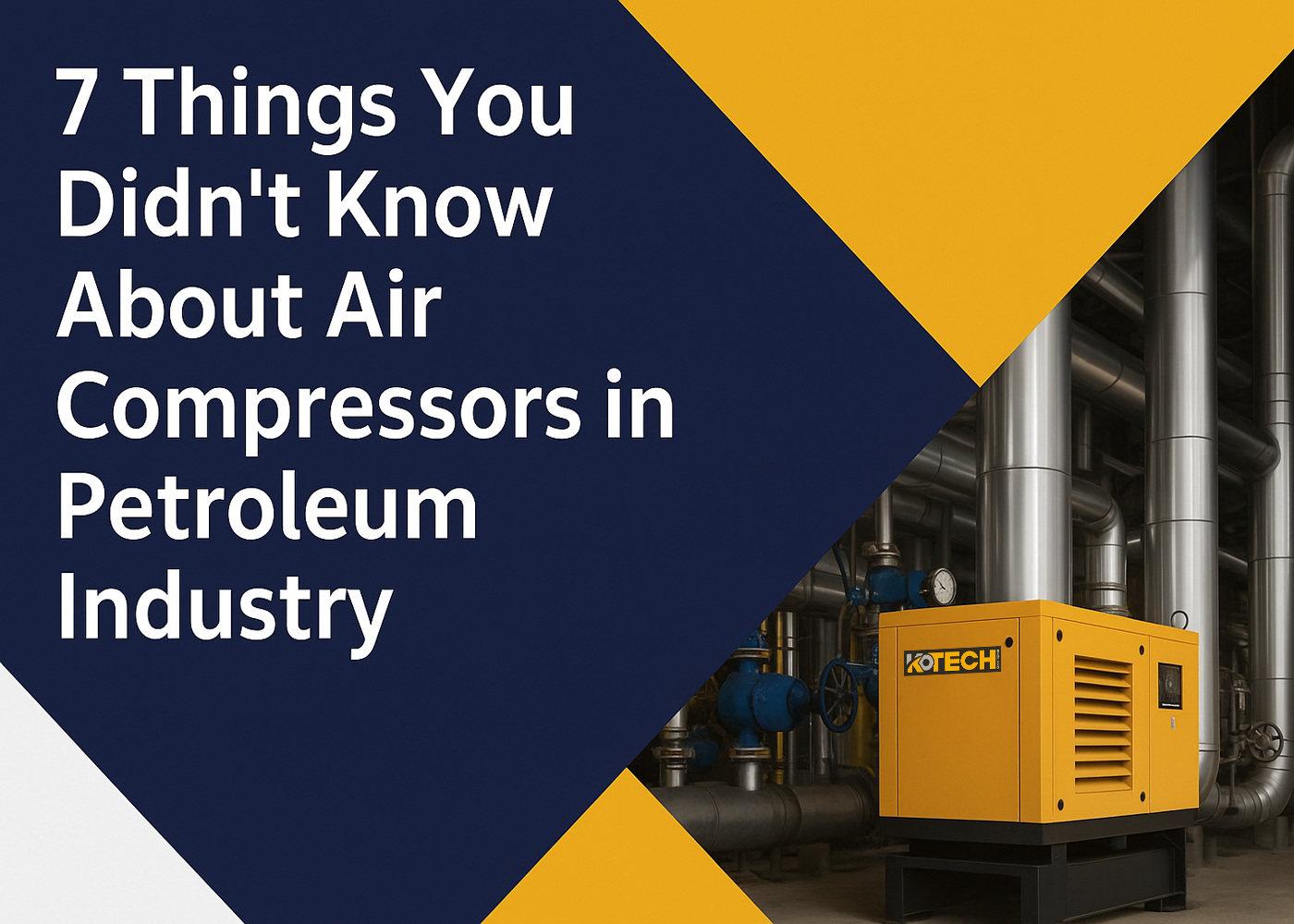




What petrochemical product do we rely on most in daily life? For most people, it’s plastic. In this article, Kotech will introduce how plastics are made and what do compressors do in their production.
What is polyethylene?
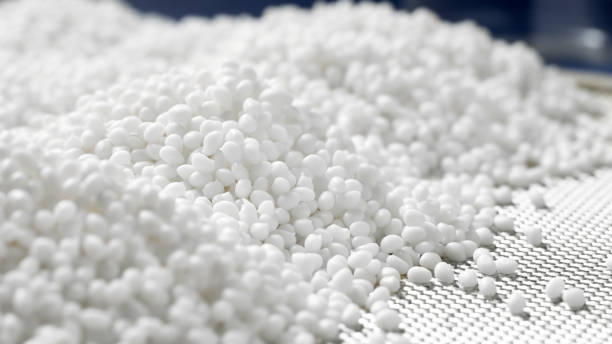
You may have heard of the abbreviations for various plastic materials: PE, PP, PVC, PET, and PMMA. Among them, PE (Polyethylene) is the most produced type of plastic globally. To make something as common as polyethylene you need to force a gas to turn into a solid. This is where industrial air compressors come in. They are the absolute backbone of the process especially for the type of plastic known as LDPE.
Don’t take these compressors as simple tools but as massive chemical reactors that use high pressure. They are designed and manufactured to take ethylene gas and squash it so intensely that the molecules link together into long polymer chains.
Can you imagine that these compressors are going to pressurized ethylene gases all the way up to 3200 bar. This is not a job for any ordinary machine. It demands a specialized beast built for power and purity.
What do compressors do in polyethylene industry?
Polyethylene industry typically produce polyethylene through two polymerization methods. Different polymerization methods make different polyethylene materials that used to manufacture different kinds of plastic products, including LDPE (low-density polyethylene), HDPE (high-density polyethylene), and LLDPE (linear low-density polyethylene). Both polymerization methods require compressors.
Why? The reason is quite simple: ethylene molecules (C₂H₄) rarely polymerize spontaneously at room temperature and pressure due to the large distances between them, and their stable double bonds make free radicals or catalysts hard to collide with them and react.
Accordingly, it’s necessary to pressurize ethylene gas to increase its density and the likelihood of collisions between ethylene molecules. This promotes polymerization and keeps the material in the reactor in a liquid or supercritical state.
High-pressure free radical polymerization (To produce LDPE)
Ethylene gas is compressed to high or ultrahigh pressure using a multi-stage reciprocating compressor. It is then injected into a tubular or tank reactor containing an organic peroxide catalyst (free radical initiator) to undergo polymerization and produce polyethylene.
Low-pressure catalytic polymerization (Produce HDPE and LLDPE)
Mix middle-low pressure ethylene (optionally mixed with a small amount of α-olefins, such as butene or hexene) with Ziegler–Natta catalyst (TiCl₄+ AlR₃) or Metallocene catalyst (which allows for more precise structural control) to polymerized into HDPE or LLDPE.
Polyethylene post-processing
No matter which polymerization method the polyethylene plant use, the polyethylene can finally get done through following steps after the reaction:
Separation: recycle the unreacted ethylene and catalyst residues into next polymerization;
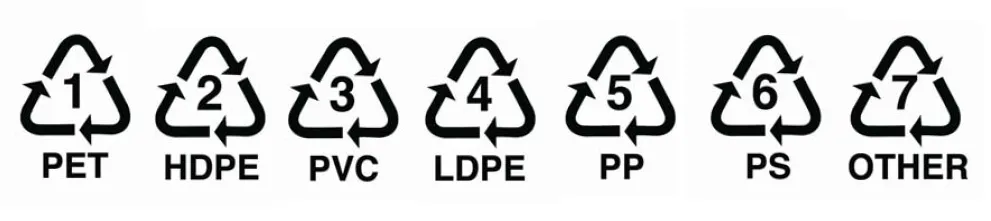
Drying and granulation: Melt-extrude powdered polyethylene and cutting it into uniform polyethylene pellets;
Cooling and packaging: After cooling and solidification, the industrial raw materials (PE pellets) are bagged and put into various plastic products.
From polyethylene pellets to plastic products
| Processing Method | Description | Typical Products |
|---|---|---|
| Blow molding | Molding through gas expansion | Plastic bags, films, bottles |
| Injection molding | Melt injection into molds | Toys, bottle caps, pipe fittings |
| Extrusion | Molding through continuous extrusion | Pipes, cable sheathing |
| Rotational molding | Molding using a rotary mold | Large storage tanks, floating drums |
| Hot pressing/calendering | Heating and flattening or forming into sheets | Sheets, waterproof membranes |
Whether it is the post-processing of polyethylene or the manufacturing of polyethylene into plastic products, the support of air compressors is indispensable.
Polyethylene factories use clean, oil-free compressed air to dry the polyethylene that has just been reacted, blow-mold molten polyethylene into Walmart plastic bags, or cool and package newly formed polyethylene pellets. Oil-free air compressors provide key support for the polyethylene industry.
Why this is a uniquely tough job for a compressor?
You can’t use the garage air compressor for this. The requirements are extreme. First and foremost the compressor must be completely oil-free. Even a microscopic amount of oil mixing with the ethylene gas will contaminate the final plastic making it discolored or weak. This is why oil free air compressors are the only choice.
What’s more? There is the mind-boggling pressure. Getting from the low pressure of stored gas to the thousands of bar needed requires a clever multi-stage approach. It is like pushing a car up a steep hill you do it in stages with breaks to cool down.
The gas is compressed a bit then cooled down then compressed some more. This happens over and over across several compression stages. A single jump from low to ultra-high pressure would generate great destructive heat and be mechanically impossible.
What types of compressors can get the job done?
Reciprocating compressor
The most common hero in this story is the reciprocating compressor. These are piston machines heavy-duty and rugged. They work by pistons moving back and forth in cylinders physically squeezing the gas. Their design is perfect for achieving the massive pressure ratios needed. A single large reciprocating compressor unit will often have multiple cylinders each one representing a stage that raises the pressure further.
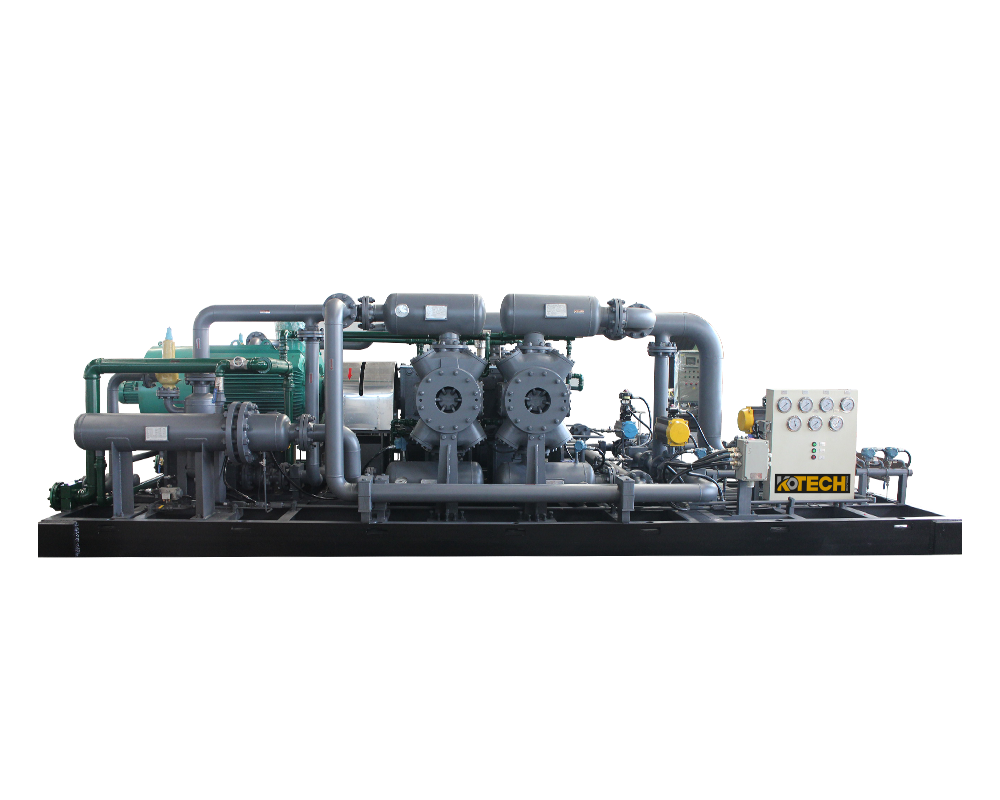
(KHW Series High Pressure Oil Free Piston Air Compressor)
Centrifugal compressors
For the final push to the very highest pressures sometimes a separate device called an intensifier is used. It acts like a super-powered final shove. In some other polyethylene setups you might find centrifugal compressors. These are great for handling huge volumes of gas in the early stages but they lack the muscle for the final high-pressure crush.
Critical technical and safety requirements
Using compressors for ethylene and polyethylene production isn’t just about achieving high pressure. The gas’s properties and the need for a pure product demand specific engineering solutions.
Absolute purity and oil-free operation: Even trace amounts of oil can ruin a batch of polyethylene. Therefore, oil-free air compressors are mandatory. These machines use self-lubricating materials like PTFE (Teflon) for seals or employ water-lubricated compressors to guarantee the compressed gas remains uncontaminated.
Material compatibility and safety: Ethylene is a flammable gas, and the compression process generates heat. Compressors must be designed with leak prevention systems and materials that can safely handle the gas. Furthermore, ethylene can cause embrittlement in certain materials, so compressors must be constructed from specially selected resistant alloys to ensure long-term integrity and safety.
Managing Fouling and Heat: During compression, ethylene can begin to polymerize prematurely inside the compressor, a phenomenon known as fouling. This gunk can coat internal parts and degrade performance. To combat this, engineers use several strategies:
Limiting discharge temperatures by designing compressors with multiple stages and cooling the gas between each stage.
Water or wash oil injection into the gas stream to cool it and wash away any forming polymers.
Applying slick non-stick coatings (like PTFE or electroless nickel) to internal components to prevent polymers from sticking in the first place.
What it takes to build and run a safe compressor system?
Putting this all together is complex engineering. Foremost, safety is the non-negotiable priority. You are dealing with a flammable gas under pressures that can be explosive if contained incorrectly. Every single part from the main cylinder to the smallest bolt is made from special high-strength metals and is built to a demanding code.
Another huge focus is temperature. Squeezing gas makes it hot and too much heat can trigger dangerous side reactions or damage the machine. After every squeeze the hot gas is sent through a heat exchanger basically a radiator to cool it right back down.
The system also needs to be incredibly clean. Even small amounts of water or air oxygen can cause corrosion or form gunk that blocks pipes. A whole pretreatment system with filters and dryers cleans the gas before compression even begins.
How compressors keep the heart of the polyethylene plant beating?
A polyethylene plant runs for years without stopping. You cannot just turn off the compressor for a coffee break. This continuous operation demands a robust maintenance strategy. Smart plants never rely on a single compressor train. They have several identical lines running side-by-side. This way if one machine needs its valves replaced or a piston inspected the others can keep the plant running.
Maintenance is not done on a whim it is meticulously scheduled. Parts like valves and piston rings are known wear items and are swapped out on a strict timetable. Operators and engineers watch live data from vibration sensors and temperature gauges constantly listening for the slightest hint of trouble. The emergency shutdown system which is the last line of defense is tested regularly to make sure it will work when needed. It is a high-stakes game of prevention.