



Discover 7 things you didn’t know about air compressors in the petroleum industry—how they power exploration, control valves, dry equipment, move pipeline pigs and enable chemical reactions.
When it comes to petroleum industry, you likely think of deep-sea drill rigs, pipelines stretching across deserts, or massive refinery towers. But have you ever paused to consider the invisible force quietly powering many of these operations? That’s right—compressed air.
From drilling sites to petrochemical plants, air compressors are everywhere, quietly doing the heavy lifting. Here are seven surprising applications in the oil & gas industry that you probably didn’t know about.
Air compressor making underground oil & gas visible
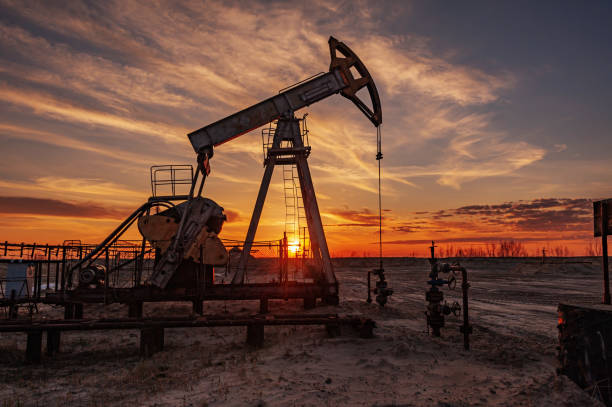
(Petroleum exploration)
What happens below ground?
In the exploration phase, seismic surveys use air guns—devices that release a high-pressure burst of air into water or the subsurface to generate seismic waves. This helps map hidden reservoirs.
How does the air compressor fit in?
High-pressure air compressors give the blasts the power they need—and must be rugged enough for harsh terrain (land or Offshore drilling platforms).
Key technical specs
- Pressure often ≥ 20 bar (or higher)
- Mobile, diesel-driven screw compressors or reciprocating compressors
- Built for dust, salt, and rough terrain
Why it matters
Without this “quiet power”, companies cannot reliably locate viable oil/gas reservoirs. It can be said that in oil and gas exploration, compressed air is the first step to “hearing” and “drilling” into the earth.
Air compressor being the nerve centre of valves and controls
What is instrument air?
It’s the dry, oil-free compressed air supplied to valves, actuators and control instruments across well sites, pipelines and processing plants.
Why not just use electricity?
Because pure mechanical drive by compressed air is safer in explosive atmospheres, more reliable in remote plants, and easier to maintain for pneumatic devices.
Requirements & configuration
- Quality: ISO 8573-1 Class 0 or Class 1 (oil-free, very clean)
- Typical pressure: 7-10 bar
- Equipment: oil-free screw compressors → cold/adsorption dryers → filters → storage tank
- Redundancy: N+1 or dual-train design for 24/7 availability
Why it matters
One slip-up—dirty air, water in the line or oil carry-over — can jam a valve, disrupt control systems and trigger costly shutdowns.
Air bullet for blowing, purging & drying
Where does this occur?
Whenever a pipeline, vessel or skid is newly installed or after a chemical clean, it must be purged and dried before going live.
The role of compressed air
- Blow-out residual fluid/chemicals
- Dry internal surfaces to prevent corrosion
- Purge with inert gas or clean air before hydrocarbon introduction
Compressor requirements
Use oil-free compressors (screw or centrifugal compressor types)
Dryers required: Freeze-dry + adsorption to reach very low dew point
Pressure typically ~7-10 bar (depending on system)
Why it matters
The final “clean-up crew” before start-up. Skipping or rushing this step can result in water or chemical residue, leading to corrosion, contamination or early equipment failure.
Pipeline “pigs” and the hidden conveyor
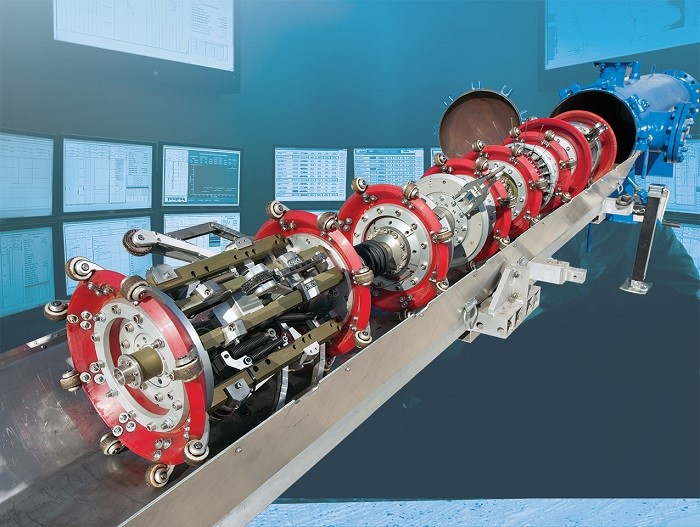
(Pipeline “pigs”)
What’s a pig?
A “pig” is a device sent through pipelines to clean, inspect, or measure the line. High volumes of compressed air often drive it.
Typical applications
- Push cleaning pigs to remove scale, wax or deposits
- Conduct pressure tests or blow-through before service
Equipment specs
- Medium to high pressure: 10-25 bar
- Large flow volumes needed
- Portable air compressor trains or high-capacity fixed systems
Why it matters
Maintaining pipeline integrity is a huge cost and safety driver; compressed air is a key enabler.
Process air in refining & petrochemicals as a reactant
Beyond utility air
In certain refinery/chemical units, compressed air is not just utility—it’s reactive gas.
Examples
- Sulfur-recovery units (Claus process): air used for oxidation
- Catalyst-regeneration beds: air supply to burn off coke
- Some petro-units where controlled air injection affects product quality
Compressor & system needs
- Large flow, tight control of pressure and temperature
- Usually oil-free/semi-oil-free depending on location
- Strong reliability and monitoring systems
Why it matters
If the air supply fluctuates, it can change reaction kinetics, yield, product quality—and increase emissions.
Moving powder with air conveying
What’s this about?
In petrochemical complexes (think polyethylene, polypropylene, PVC), powdery resin, catalysts or additives are transported via compressed air in pipelines.
How it works
Air carries the particles through convey-lines to storage, packaging or process units.
Air system requirements
- Dry, oil-free air compressor(to avoid particle adhesion or contamination)
- Typical pressure: 6-10 bar
- Flow controls, density monitoring to avoid clogging
Why it matters
Any downtime or blockage in these pneumatic lines impacts production throughput and quality.
Not all air compressors fit petroleum industry
Why is this said?
Because the oil & gas industry is no ordinary environment. Oil & gas sites often feature extreme conditions, including high humidity, salt, sand, offshore corrosion, and explosive atmospheres. Your air compressor system must have a rugged design and reliability to survive and perform.
Design features to expect
- Corrosion-resistant materials (e.g., 316 stainless, anti-salt coatings)
- Explosion-proof motors (Zone 1 / Class 1 Div 1)
- Redundant systems (N+1) for uninterrupted supply
- Monitoring for vibration, temperature, dew point, oil carry-over
- Maintenance programs and alarm system aligned with 24/7 operations
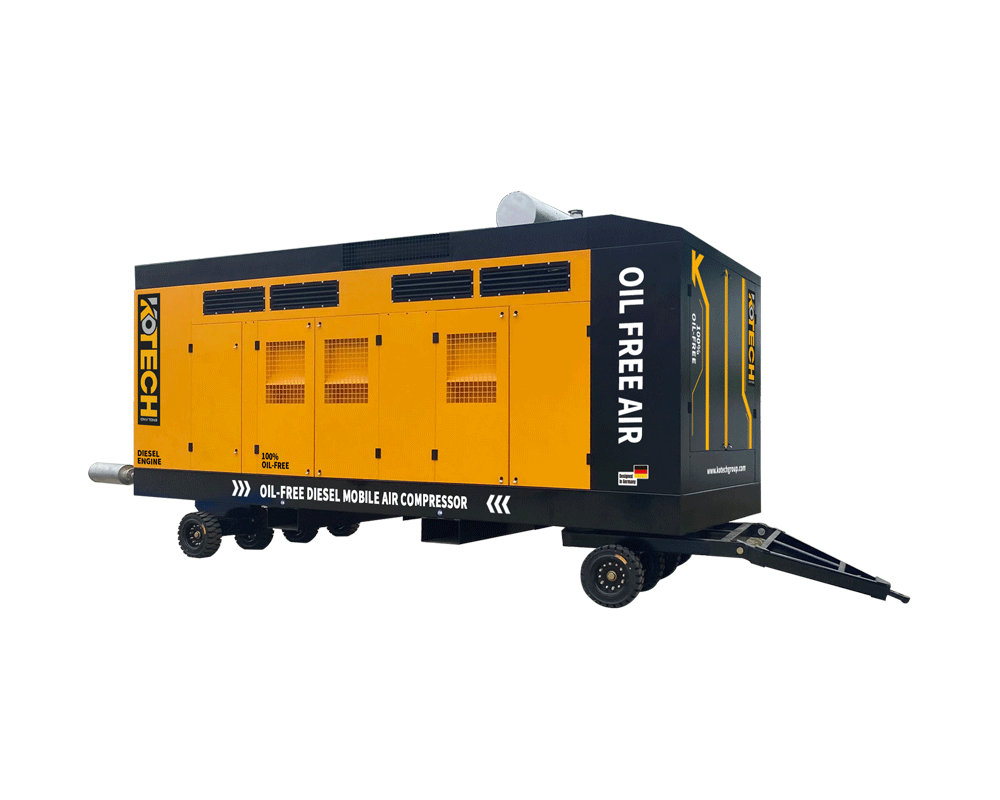
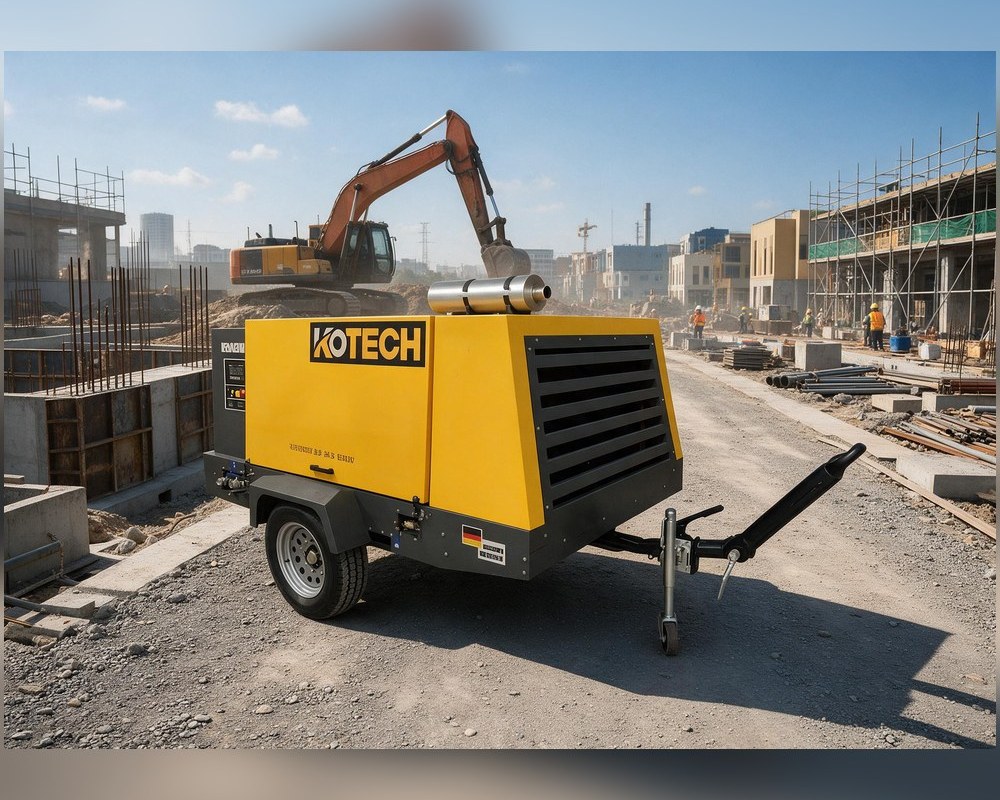
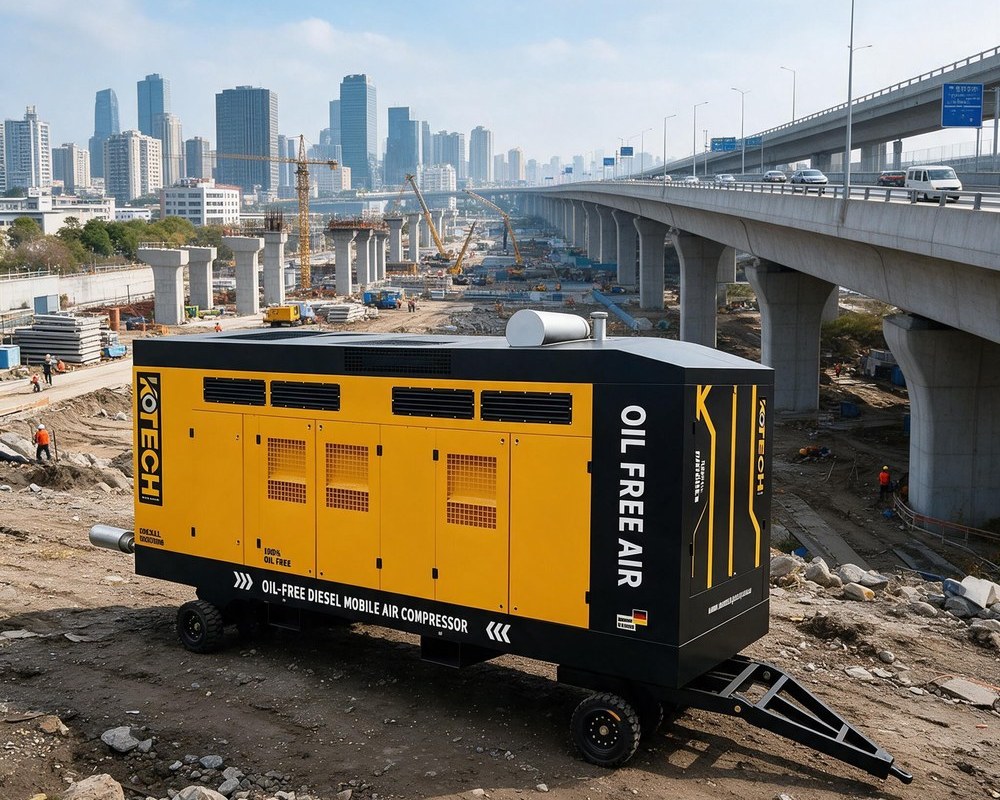
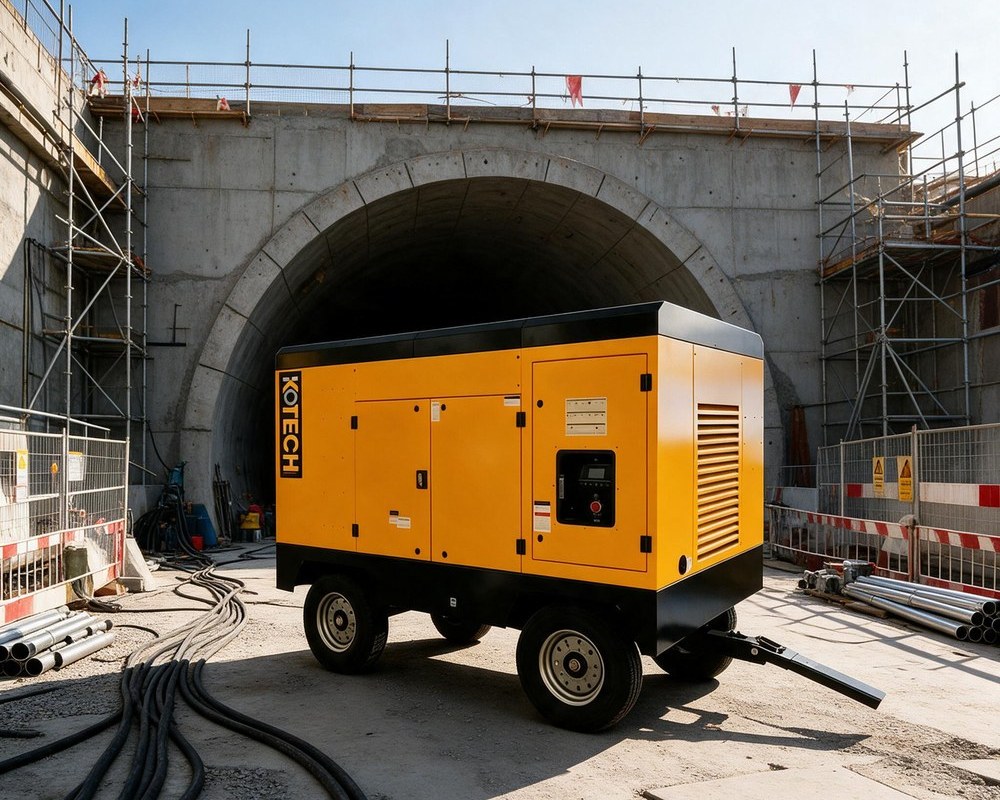
(Kotech KOP oil-free portable air compressor)
Why it matters
A single compressor downtime can halt a whole plant—even if it’s not a headline failure. Doesn’t look glamorous—but it’s vital.