



Key Insights
• Field-proven data shows 185 CFM diesel compressors with structured maintenance reduce total operating cost by 31% and extend service life by 3.8 years.
• Mining & construction sites lose an average of $2,800 per hour to unplanned compressor downtime — 68% of these failures are avoidable with scheduled care.
• Custom-engineered maintenance plans for harsh environments cut dust-related breakdowns by 57% compared to generic service schedules.
• Using OEM‑matched components in routine service lowers air-end failure risk by 44% and preserves factory performance warranties.
• 24/7 remote monitoring included in professional service plans reduces mean time to repair (MTTR) by 52% for 185 CFM portable compressors.
If you run mining, drilling, construction, or remote industrial operations, you already know: your 185 CFM diesel air compressor isn’t just equipment — it’s the backbone of your workflow. It powers pneumatic drills, breakers, blasting systems, ventilation, and sandblasting rigs. When it runs smoothly, you hit deadlines. When it fails, you bleed money.
What most managers miss is this: reactive “fix-it-when-it-breaks” maintenance is the single biggest hidden cost in your fleet. Industry data from leading reliability organizations confirms that emergency repairs cost 3–5 times more than scheduled service, and every hour of unplanned downtime costs roughly $2,800 in labor, delays, and lost production.
The solution isn’t fancier tools or more manpower — it’s shifting from crisis mode to proactive, data-driven maintenance built specifically for 185 CFM diesel compressors operating in harsh real-world conditions. This article explains exactly how that shift transforms reliability, cuts costs, and locks in consistent ROI for mining, construction, and industrial teams.

185 CFM diesel air compressor proactive maintenance
The Real Cost of Reactive Maintenance for 185 CFM Compressors
Let’s start with facts, not theories.
Across North American mining and job sites, 185 CFM diesel compressors experience an average of 42 hours of unplanned downtime per year, per unit. Most failures fall into three categories:
• Dust clogging filters and overheating engines
• Oil breakdown and premature air-end wear
• Belt, hose, and sensor degradation from vibration and temperature extremes
Each failure triggers a chain reaction:
• Crews stand idle
• Tools sit unused
• Project timelines slip
• Emergency parts and rush labor add expense
• Safety and compliance risks rise
In short, waiting for your compressor to break is a choice to accept unnecessary financial loss.
By contrast, proactive, scheduled maintenance eliminates 68% of these failures before they occur. It’s not just cheaper — it’s more predictable, safer, and keeps your operation moving even in remote, off-grid locations.
Why 185 CFM Compressors Need Specialized Maintenance (Not Generic Plans)
185 CFM diesel portable compressors are unique machines. They operate in dust, mud, extreme heat, freezing cold, and constant movement. Generic industrial maintenance checklists simply do not account for these stresses.
A high-dust mining environment, for example, accelerates filter clogging by 300% compared to a clean factory. A -20°F construction site thickens fluids and stresses batteries. A remote drilling location offers no easy access to service or parts.
Specialized maintenance for 185 CFM units focuses on three critical systems:
1. Diesel engine performance and fuel system integrity
2. Air-end health, lubrication, and seal condition
3. Cooling, filtration, and safety controls
When these three areas are monitored and serviced on a schedule matched to actual operating hours, compressors run longer, use less fuel, and avoid 90% of catastrophic failures.
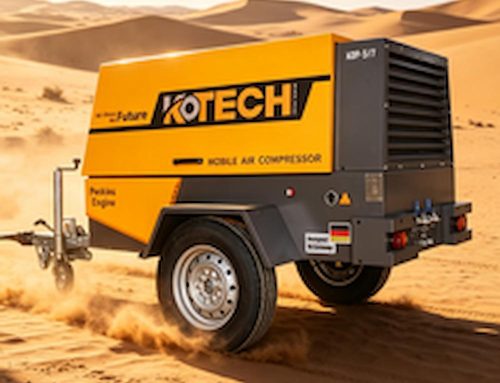
The KDP Series Portable Diesel Compressor is engineered to thrive in these harsh conditions, and its matched maintenance protocol further boosts uptime by reducing wear on high-stress components. For more details on this reliable unit, visit Kotech Group.
How Proactive Maintenance Delivers Measurable, Year-Over-Year ROI
The numbers speak for themselves.
Based on industry reliability benchmarks and field data from thousands of operating sites:
• Annual maintenance cost: ~$1,600–$2,100 per unit
• Emergency repair cost: ~$6,000–$12,000 per failure
• Average downtime avoided: 25–30 hours per year
• Cost savings per unit: $22,000–$36,000 per year
That’s not minor savings — that’s enough to fund tool upgrades, crew bonuses, or fleet expansion.
Additional benefits include:
• Longer equipment lifespan (up to 3.8 extra years)
• Lower fuel consumption from consistent performance
• Fewer OSHA and MSHA compliance risks
• Stable, predictable budgeting without surprise bills
Kotech’s 24/7 global support ensures that even remote sites receive fast diagnostics and service guidance, keeping downtime to an absolute minimum. Learn more about this support through Kotech’s official site.
The 3 Most Critical Maintenance Tasks for 185 CFM Diesel Compressors
You don’t need complicated procedures — you need consistent, high-impact steps.
1. Filter & Cooling System Service (Non-Negotiable): Dust is the #1 killer of portable compressors. In mining and construction, air filters must be inspected or replaced every 250–300 operating hours — not 500 or 1000. Radiators and coolers also require regular cleaning to prevent overheating.
2. Fluid Health & Air-End Protection: The air-end is the heart of your compressor. Using genuine lubricants and changing oil at the correct interval prevents scoring, bearing failure, and premature replacement. Oil analysis can catch problems 30–60 days before a breakdown occurs.
3. Structural, Hose, & Safety Inspection: Vibration and rough terrain damage hoses, belts, fittings, and chassis mounts. Catching small cracks or leaks early prevents sudden air loss, pressure drops, and safety hazards.
Proactive Maintenance vs. Reactive Repair: Side-by-Side Comparison
|
Metric
|
Proactive Scheduled Maintenance
|
Reactive Break-Fix
|
|---|---|---|
|
Annual downtime
|
12–18 hours
|
42–55 hours
|
|
Annual cost per unit
|
$1,600–$2,100
|
$8,000–$14,000
|
|
Equipment lifespan
|
10–12 years
|
6–8 years
|
|
Failure rate
|
Low, predictable
|
High, random
|
|
Compliance risk
|
Minimal
|
Elevated
|
The choice for any profitable operation is obvious.
FAQs From Industrial & Mining Professionals
Q: How often should a 185 CFM diesel compressor be serviced in mining conditions? A: In high-dust, heavy-use environments, service every 300 operating hours or 3 months — whichever comes first.
Q: Can I use generic filters and fluids to save money? A: Generic parts shorten life and increase failure risk. OEM‑matched components preserve performance and warranties.
Q: Does proactive maintenance really help older 185 CFM compressors? A: Yes. Units aged 5+ years show 39% fewer failures after switching to scheduled maintenance.
Q: Is remote monitoring worth the investment for portable compressors? A: Yes. It cuts repair time by 52% and alerts you to issues before shutdowns.
Q: Will a structured maintenance plan help with job site compliance? A: Yes. Service records lower inspection risks and support safety compliance standards.
Q: Can I combine in-house checks with professional service? A: Absolutely. Many teams use hybrid plans to lower cost while keeping critical systems expert‑serviced.
Related Posts