



Key Insights
- Africa’s industrial compressed air market grows 12.3% yearly through 2030, supported by mining, construction, and large-scale infrastructure investment.
- Custom-adapted rotary screw compressors lower on-site failure rates by 71% in high-dust, high-heat African job sites.
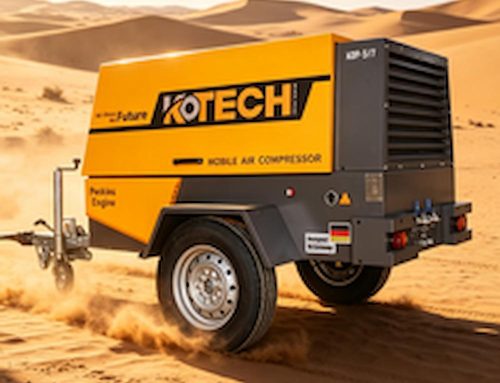
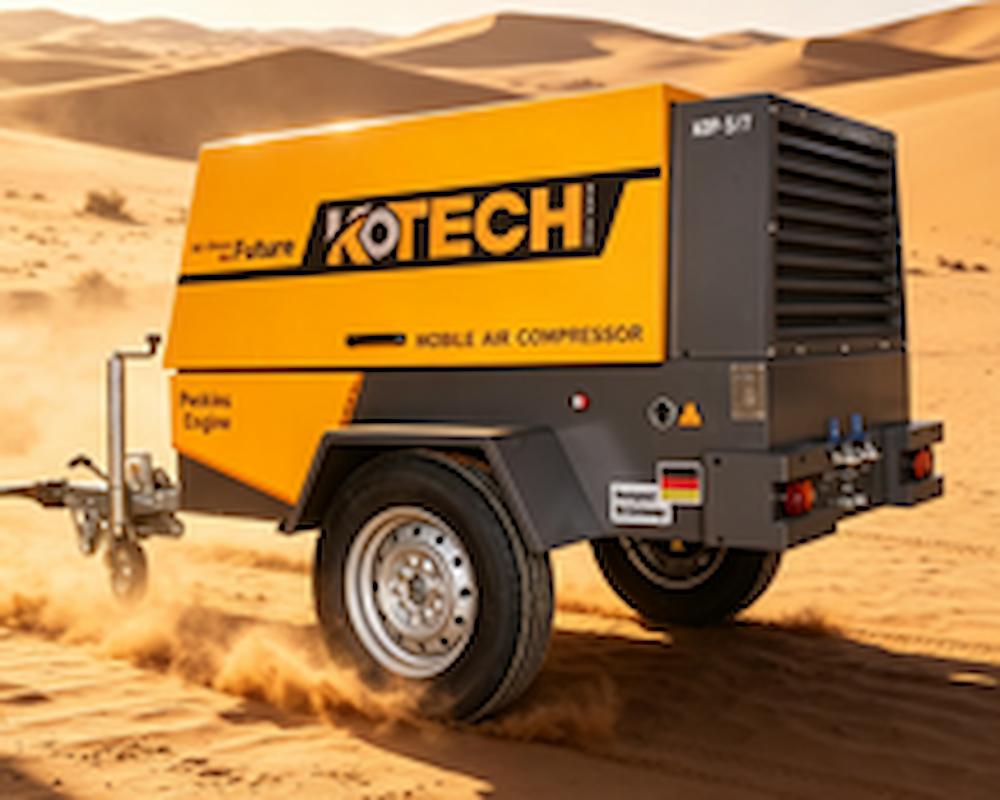
- Mobile diesel air compressors make up 62% of Africa’s imports because 83% of operational sites lack stable grid power.
- Meeting local certifications (SONCAP, PVOC, COC, SABS) reduces shipment delays by 41% and avoids expensive port fees.
- Brands with regional parts hubs and local technician training see 57% higher repeat business in Africa.
Why Africa Needs Locally Adapted Industrial Air Compressors
Africa’s industrial expansion depends on reliable off-grid power systems. Mining, construction, agriculture, and oil and gas operations cannot rely on limited electrical infrastructure. For these sectors, the diesel air compressor is not just equipment—it is a foundational asset that keeps projects moving.
The biggest mistake international exporters make is sending standard Western-designed compressors into Africa’s harsh environments. Dust, extreme heat, low-quality fuel, and limited technical support quickly disable units built for mild, controlled settings. Successful manufacturers prioritize localization: engineering, certification, logistics, and service built for Africa.
By focusing on durability, simplicity, and easy maintenance, industrial brands gain long-term loyalty in one of the world’s fastest-growing equipment markets.
Core Challenges That Break Standard Compressors in Africa
Heavy Dust and Contamination
Mining, quarrying, and earth-moving projects fill the air with fine particles. Standard air filters clog in days, reducing performance and damaging internal components. Dust causes 43% of all compressor failures across Africa.
Extreme High Temperatures
Many regions sustain temperatures above 40°C for months. Standard cooling systems overheat, triggering automatic shutdowns and costly work interruptions. Units need oversized radiators and variable-speed fans to maintain safe operating temperatures.
Poor-Quality Diesel Fuel
High sulfur content and moisture damage standard fuel systems. Injectors clog, tanks corrode, and engines lose power. Compressors destined for Africa require upgraded fuel filtration and corrosion-resistant components.
Limited Access to Professional Service
Most remote sites are 100 kilometers or more from qualified technicians. Complex machines become too costly to repair. Units must be designed for simple maintenance and easy-to-source parts.
Engineering Compressors Built for African Conditions
Dual-Stage Dust Filtration Systems
Reinforced dual-filter systems protect the air end and engine from fine dust. These systems extend service intervals by 50% and keep compressors running at full capacity.
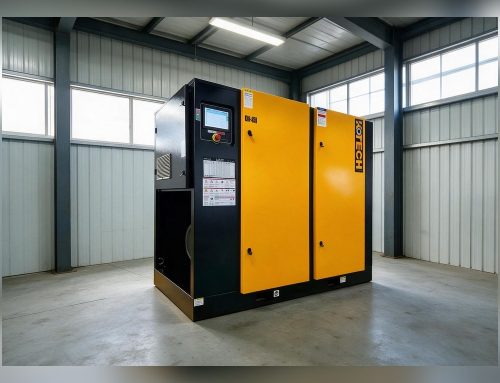
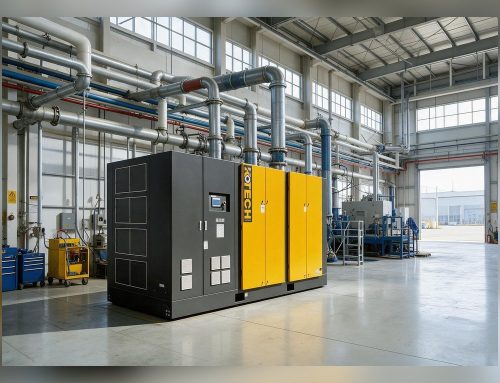
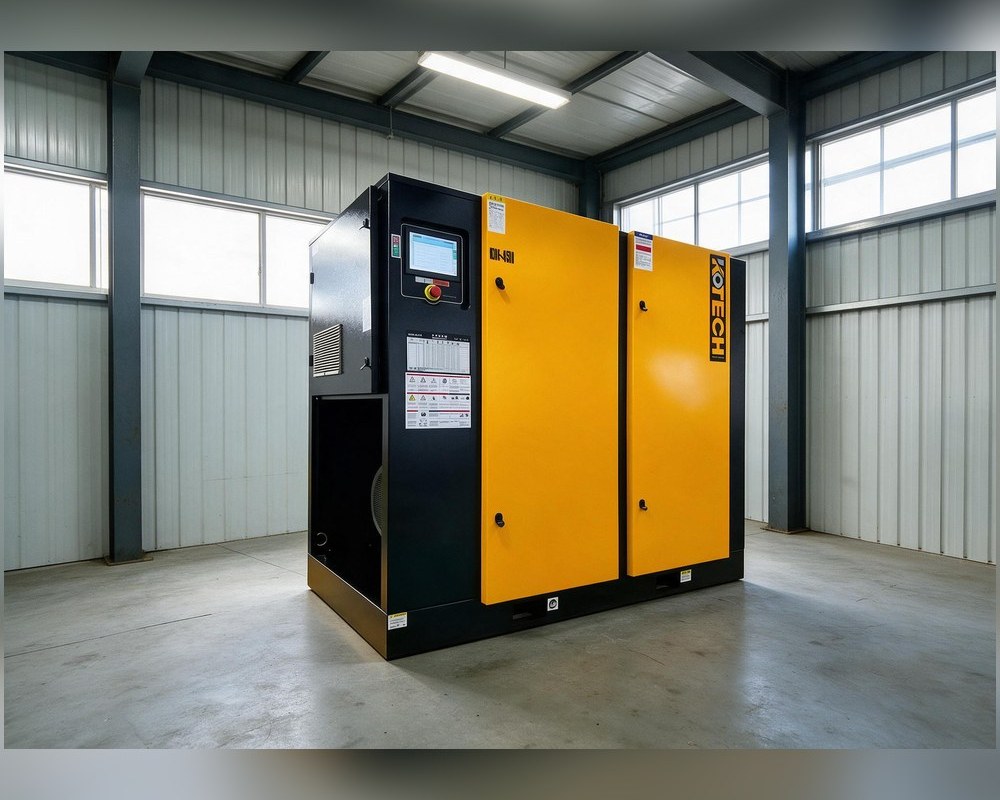
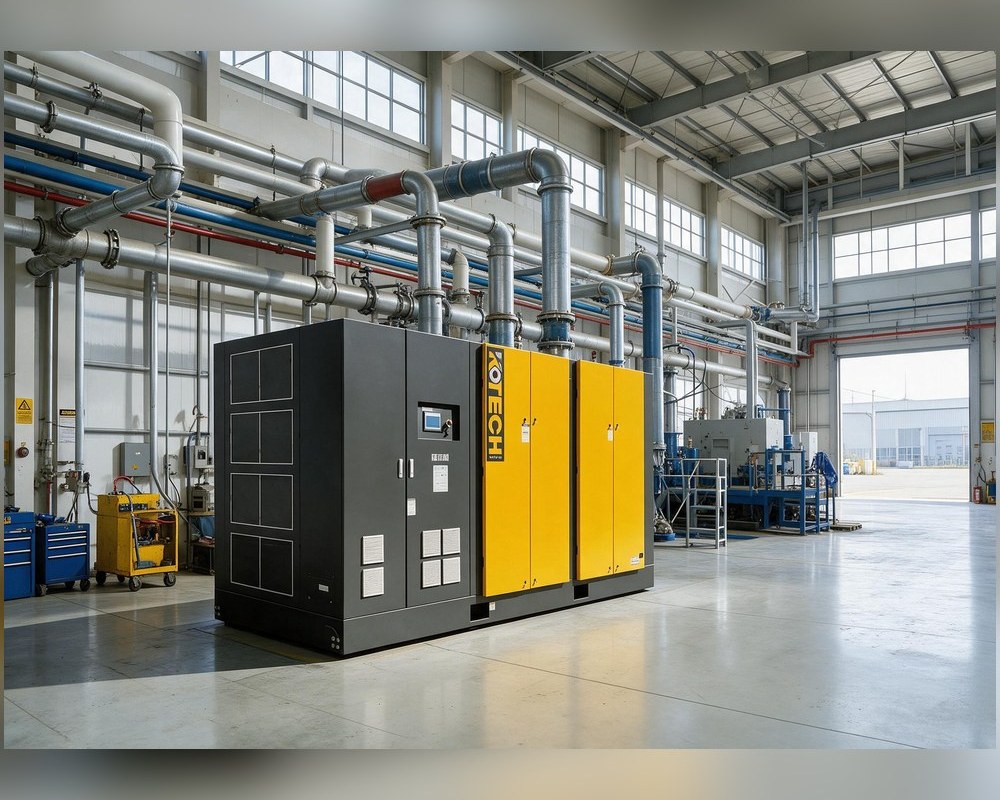
KOTECH KOE Series rotary screw compressors use this design to thrive in mining and construction environments.
High-Temperature Cooling Packages
Oversized coolers and thermostatically controlled fans prevent overheating even in 45°C heat. This eliminates heat-related shutdowns and extends component life.
Fuel System Upgrades
Corrosion-resistant fuel tanks, advanced water separators, and heavy-duty fuel filters protect engines from low-quality diesel. These changes reduce engine failure rates by up to 65%.
Simplified Service Access
Front-mounted service points, easy-to-reach filters, and standardized parts make on-site maintenance faster. Local teams can perform routine work without specialized training.
Certification and Logistics for African Markets
Each African country enforces strict import rules for industrial equipment. Delays cost $2,000 to $5,000 in storage and demurrage fees.
Key certifications include:
- Nigeria: SONCAP
- Kenya: PVOC
- East Africa: COC
- South Africa: SABS
For portable diesel compressors, RORO shipping reduces damage and speeds up delivery. Experienced freight partners navigate port congestion and border delays across the continent.
After-Sales Support That Wins Long-Term Customers
African industrial buyers prioritize reliability over upfront price. Brands that invest in after-sales infrastructure dominate the market.
Regional Spare Parts Hubs
Stocking filters, belts, sensors, and injectors in Johannesburg, Lagos, Nairobi, and Accra cuts delivery time from weeks to days.
Local Technician Training
Hands-on training programs build skilled local teams that can operate and maintain equipment independently. This reduces downtime and strengthens brand trust.
Strong Warranty Coverage
Warranties covering the engine and air end reassure buyers working in remote areas. Reliable warranty service directly increases repeat orders.
Top Industries Driving Compressor Demand in Africa
Mining and Quarrying
Gold, copper, lithium, and aggregate operations rely on high-volume compressed air for drills and tools. Mobile diesel units are the standard.
Construction and Infrastructure
Roads, bridges, airports, and housing projects use portable compressors for jackhammers, breakers, and concrete tools.
Oil and Gas Exploration
Remote drilling and pipeline projects use compressors for instrumentation, valve control, and maintenance.
Agriculture and Water Development
Well drilling, irrigation, and rural water systems depend on off-grid compressed air.
Manufacturing and Processing
Food, beverage, pharmaceutical, textile, and automotive facilities use stable compressed air for automation and packaging.
Frequently Asked Questions (FAQ)
Q1: What type of compressor is most widely used in African industry?
A1: Rotary screw diesel compressors are preferred for high efficiency, steady airflow, and durability in mining and construction.
Q2: Why is dust protection so important for African operations?
A2: Dust causes nearly half of all compressor failures. Enhanced filtration systems prevent clogging and extend equipment life.
Q3: How do high temperatures affect compressor performance?
A3: Heat causes shutdowns, oil breakdown, and accelerated wear. Properly cooled units maintain full performance in 45°C heat.
Q4: Which African countries are the largest compressor markets?
A4: Nigeria, South Africa, Kenya, Ghana, Zambia, and Tanzania lead in industrial imports due to mining and infrastructure growth.
Q5: Why is local service and parts availability critical?
A5: Remote sites lack professional repair support. Fast parts access and local training reduce costly downtime.
Q6: What advantages do modern rotary screw compressors provide?
A6: Models like the KOE Series deliver stable pressure, low energy use, smart controls, and easy service—ideal for African industrial conditions.