



Compare centrifugal compressors vs screw compressors in real industrial applications. Learn efficiency differences, costs, and how to choose the right type.
Choosing between a centrifugal compressor and a screw compressor is rarely a purely technical decision.
In most real projects, it comes down to how stable your air demand is, how long the system runs each day, and how much energy cost matters over time.
If you are comparing these two compressor types, chances are your operation has already outgrown small, intermittent air systems. At that scale, a wrong choice does not just affect efficiency — it affects operating cost, maintenance planning, and future expansion.
This article breaks down the practical differences between centrifugal and screw compressors, focusing on where each one actually performs best.
Difference between screw compressor vs centrifugal compressor
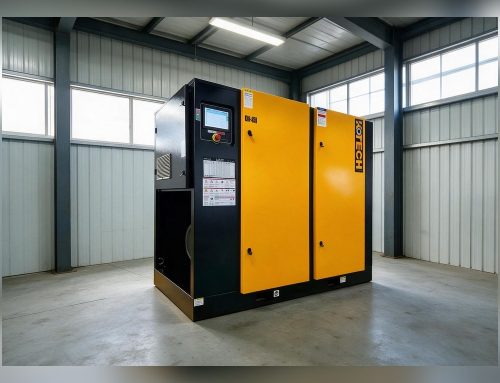
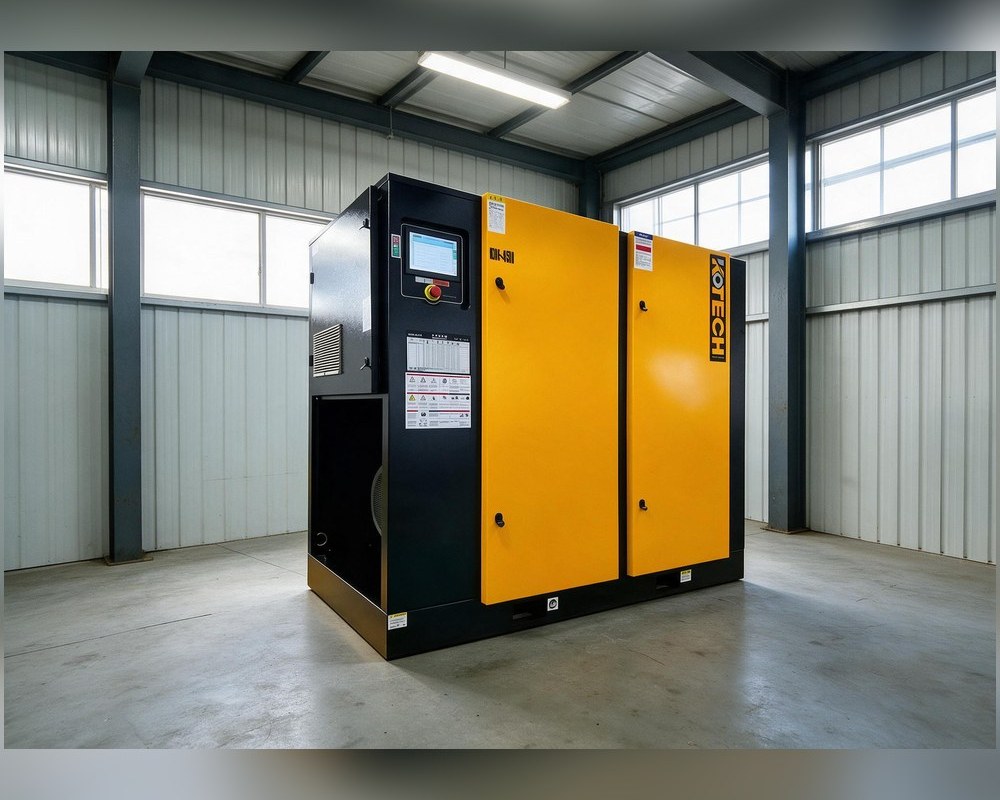
Screw compressors are usually better for low to medium flow rates, variable demand, and flexible operating conditions.
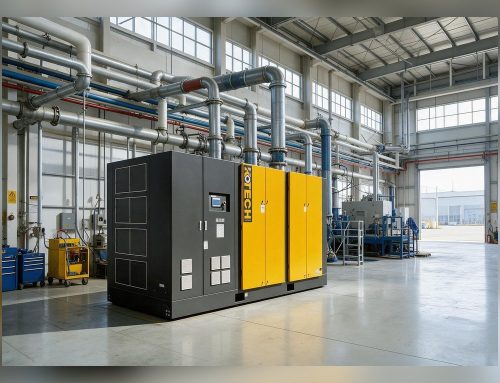
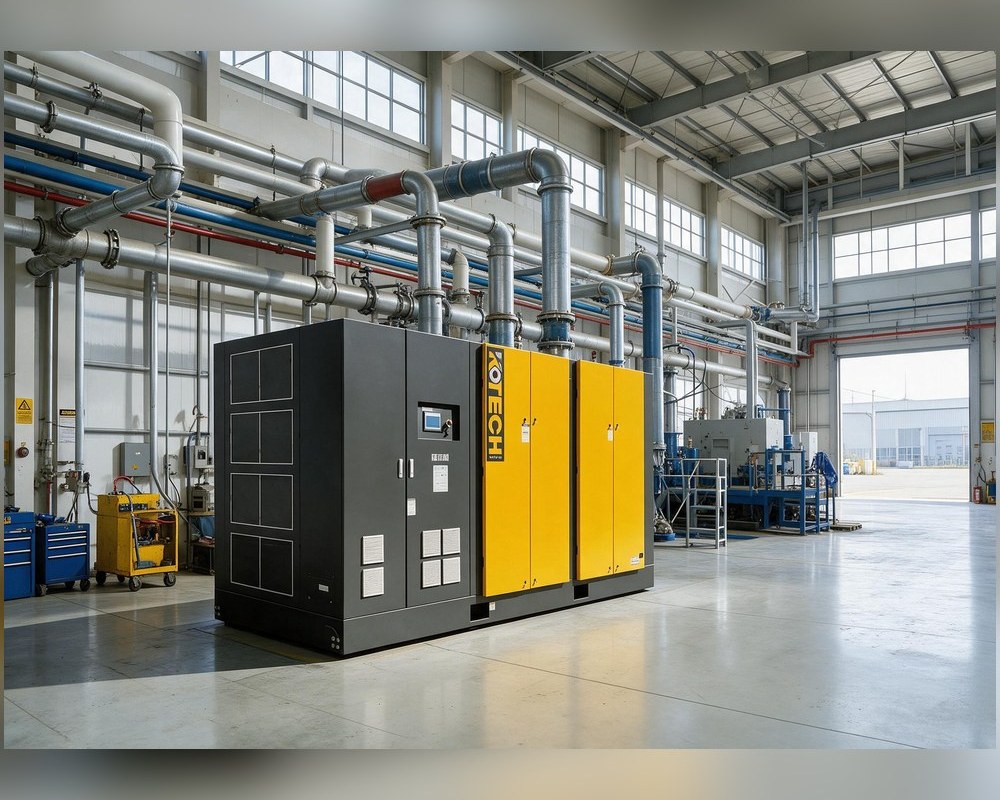
Centrifugal compressors are typically the better choice for large, stable, continuous air demand, especially in centralized systems.
The key is not which compressor is “more efficient” on paper, but which one fits your operating profile.
How does a screw compressor work
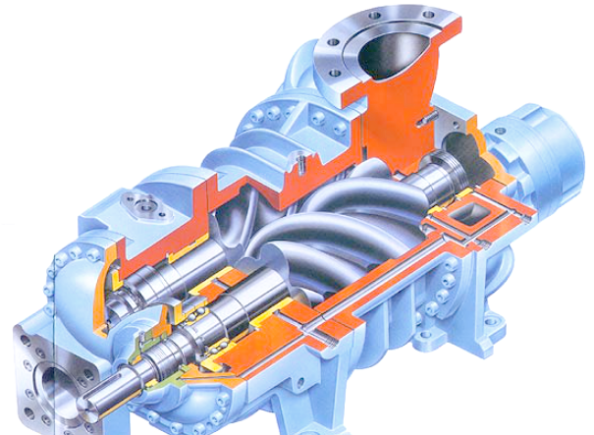
A screw compressor uses two intermeshing rotors to compress air. As the rotors turn, air is trapped, compressed, and discharged in a continuous flow. This design handles load changes well and maintains acceptable efficiency across a wide operating range.
How does a centrifugal compressor work
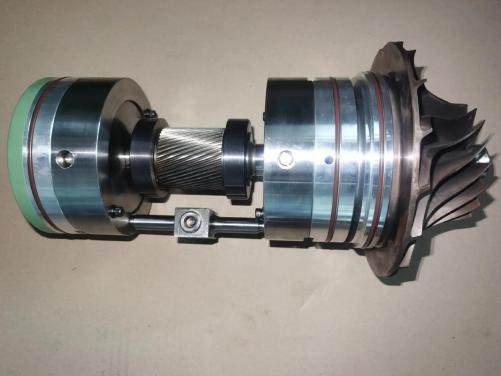
A centrifugal compressor increases air pressure by accelerating air through a high-speed impeller and converting velocity into pressure. It is a dynamic compressor, optimized for a specific design point where efficiency peaks.
Both technologies are mature and reliable, but they behave very differently once operating conditions change.
Screw vs centrifugal compressor performance comparison
| Aspect | Screw compressor | Centrifugal compressor |
|---|---|---|
| Typical flow range | Low to medium | Medium to very high |
| Pressure ratio per stage | Moderate | Limited (multi-stage often used) |
| Part-load efficiency | Strong | Drops outside design point |
| Response to demand changes | Excellent | Limited |
| Noise & vibration | Moderate | Generally low |
| Maintenance | Routine, predictable | Fewer wear parts, specialized service |
| Typical lifespan | Long | Very long in stable conditions |
This table looks simple, but the real difference shows up in how these compressors behave over time.
Why the centrifugal compressor excels in efficiency
Centrifugal compressors are often advertised as “more efficient,” and at their design point, that is usually true. When flow rate, pressure, and inlet conditions match the design exactly, centrifugal machines can achieve very high efficiency.
The problem is that many industrial air systems do not operate at a single, fixed point. When demand fluctuates:
A screw compressor adjusts output with relatively small efficiency losses.
A centrifugal compressor moves away from its optimal range, where efficiency drops and control strategies become more complex.
This does not make centrifugal compressors inefficient by nature — it simply means they are best suited for stable, predictable demand.
Screw vs centrifugal compressor typical application comparison
Screw compressors are commonly used in:
- Manufacturing plants with fluctuating production schedules.
- Workshops and assembly lines.
- Facilities with frequent start-stop cycles.
- Decentralized or modular compressed air systems.
Centrifugal compressors are typically found in:
- Petrochemical and chemical plants.
- Steel, cement, and mining operations.
- Air separation units.
- Large centralized compressed air systems running 24/7.
In hybrid systems, it is not unusual to see centrifugal compressors handling base load, with screw compressors covering peak demand.
Cost and lifecycle considerations
Initial purchase price alone rarely tells the full story.
Screw compressors usually have a lower upfront cost and simpler installation. Maintenance is more frequent but predictable.
Centrifugal compressors often require a higher initial investment, but fewer wearing parts can mean lower maintenance costs over long, continuous operation.
For systems running thousands of hours per year, energy consumption quickly becomes the dominant cost. In those cases, lifecycle cost (TCO) matters far more than the purchase price.
Which one is right for your system?
Ask yourself a few practical questions:
Is your air demand stable or highly variable?
How many hours per day does the compressor run?
Do you expect future expansion?
Is energy cost a major concern over the next 5–10 years?
If your demand is large, stable, and continuous, a centrifugal compressor is often the logical choice. If flexibility, load variation, or phased expansion matters more, a screw compressor may be the safer option.
Final thoughts
There is no universally “better” compressor type. The right choice depends on how well the compressor matches the system, not how impressive the datasheet looks.
In large industrial projects, experienced suppliers typically evaluate both centrifugal and screw solutions before making a recommendation. That comparison, when done properly, often reveals opportunities to reduce long-term operating costs rather than just meeting the required airflow.