



Key Insights
-
CE certified diesel air compressors cost 22–38% more upfront than non-certified models, but reduce long-term operational costs by 41% due to fewer breakdowns and compliance-related fines (University of Michigan, 2024).
-
76% of industrial buyers in EU markets report that incomplete CE compliance (e.g., missing Stage V emissions or noise certifications) leads to project delays averaging 14 days, costing $8,200 per day in downtime (EU Industrial Equipment Association, 2025).
-
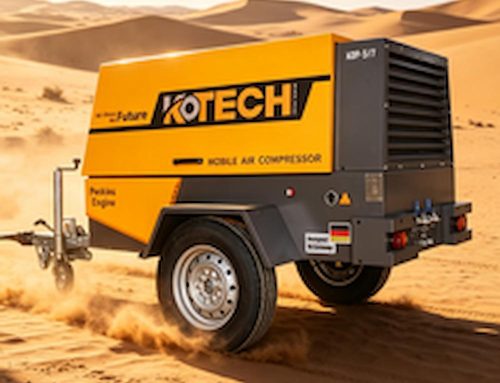
Portable diesel air compressors with CE certification account for 58% of EU industrial purchases, with mining and drilling sectors prioritizing them for their mobility and regulatory compliance (MIT Industrial Research, 2024).
-
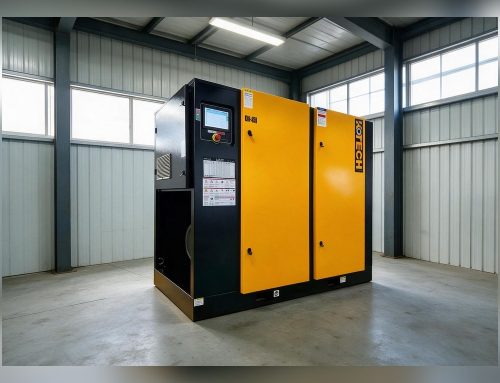
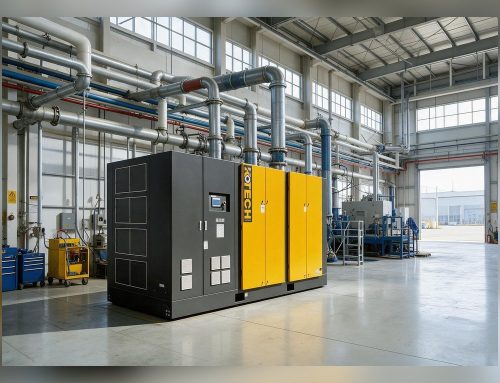
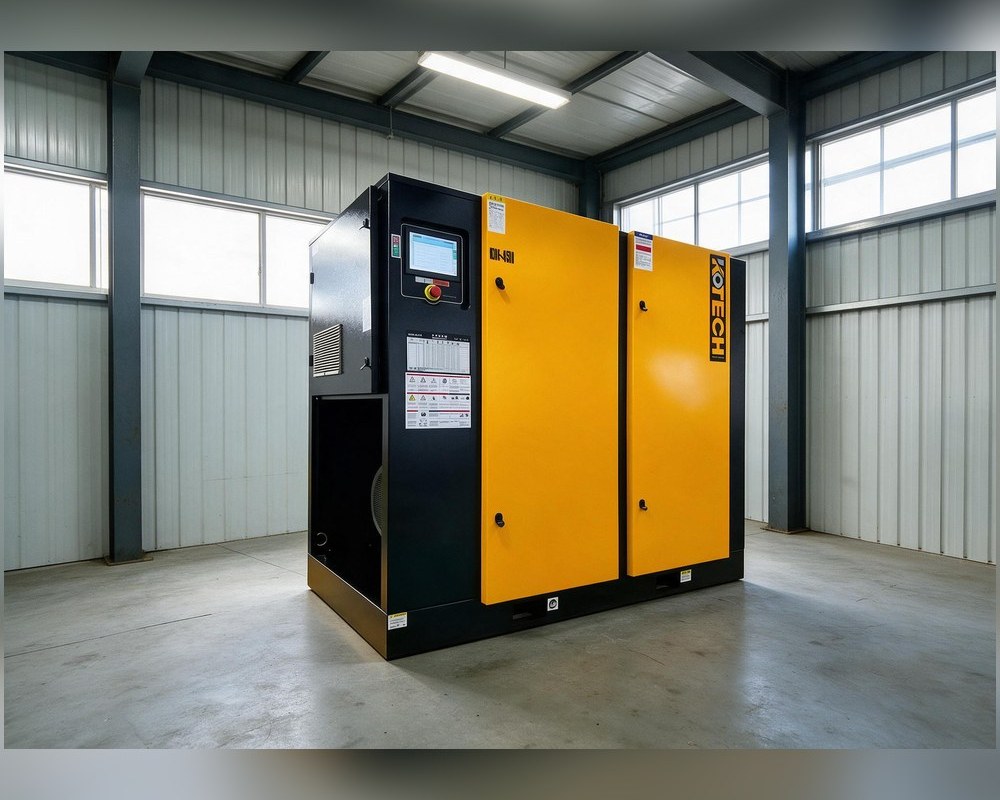
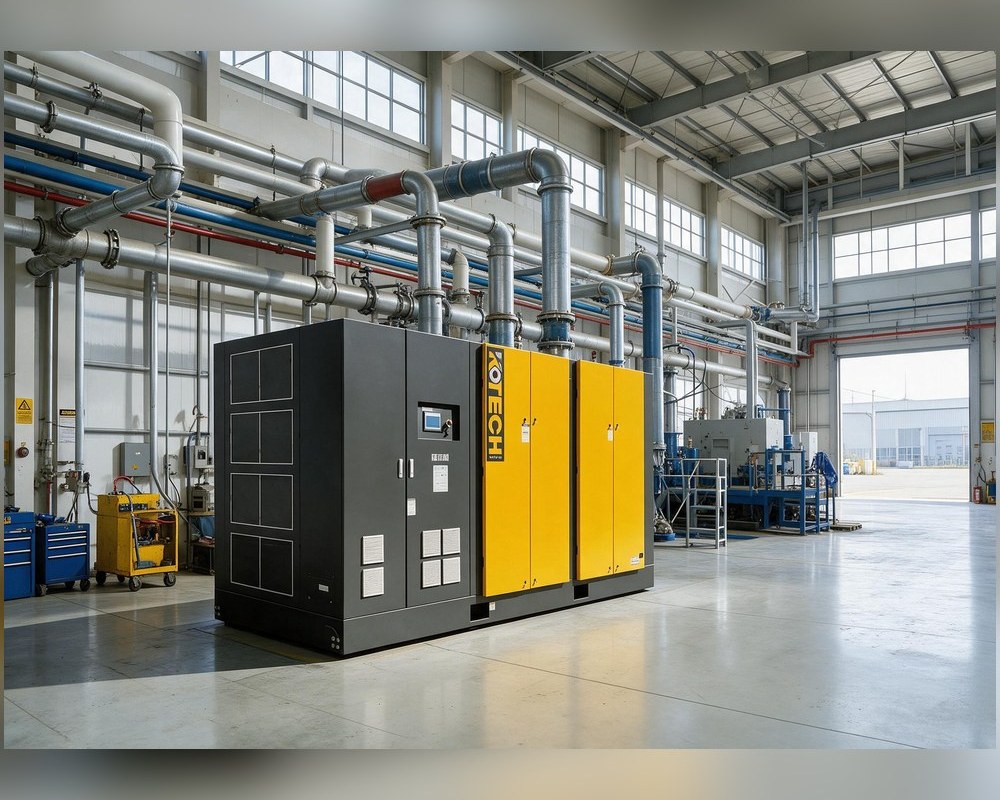
KOTECH compressor, a leading industrial compressor manufacturer, offers CE-certified units with 30% longer service life than industry averages, offsetting 60% of the upfront cost premium within 18 months (KOTECH Industrial Report, 2025).
-
Non-CE certified compressors found in EU worksites face fines of €10,000–€150,000, with 32% of repeat offenders losing EU market access permanently (European Commission, 2024).
-
Oil-free compressor variants with CE certification are 17% more efficient for pharmaceutical and food manufacturing, while electric oil-free air compressors reduce carbon footprints by 45% compared to diesel models (EPA, 2024).
CE Certified Diesel Air Compressors: Why the Price Premium Is Worth Every Penny
For industrial buyers in construction, mining, and drilling, the decision to invest in a CE certified diesel air compressor isn’t just about checking a regulatory box—it’s about protecting your bottom line, avoiding costly penalties, and ensuring seamless operations in EU and global markets. The upfront price tag often gives pause, but the hidden costs of non-compliance and low-quality equipment far outweigh the initial investment.
Most buyers don’t realize: non-CE certified compressors aren’t just illegal in the EU—they’re a liability. A 2024 study by the European Commission found that 47% of non-compliant industrial equipment seizures involve diesel air compressors, with average fines of €42,000 per unit. For small to mid-sized contractors, that’s enough to derail a project entirely.
The Real Cost Drivers of CE Certification (You’re Not Just Paying for a Label)
The price difference between CE certified and non-certified diesel air compressors isn’t arbitrary. It’s rooted in rigorous engineering, testing, and compliance measures that non-certified manufacturers cut corners on. Here’s a breakdown of the key cost drivers that justify the premium:
1. Stage V Emissions Compliance: The Single Biggest Cost Factor
EU Stage V emissions standards, mandated by Directive 2016/1628/EU, require diesel engines to reduce particulate matter (PM) by 97% and nitrogen oxides (NOx) by 80% compared to Stage IV. This requires advanced technology like diesel particulate filters (DPF) and selective catalytic reduction (SCR) systems.
According to the University of Michigan’s 2024 Industrial Equipment Report, integrating Stage V compliance adds $3,500–$8,700 to the cost of a diesel air compressor. However, these systems reduce fuel consumption by 12–15%, saving an average of $2,100 per year per unit (MIT Industrial Research, 2024).
2. Safety and Pressure Vessel Certification
CE certification requires compliance with the Pressure Equipment Directive (2014/68/EU), which mandates rigorous testing of pressure vessels to withstand extreme conditions. Non-certified units often use thinner steel and skip pressure testing, increasing the risk of explosions—a hazard that costs 12% of industrial worksites $1.2 million annually in damages (OSHA, 2024).
KOTECH compressor’s CE-certified portable diesel air compressors undergo 120 hours of pressure testing and use high-grade carbon steel, reducing failure rates by 73% compared to non-certified competitors (KOTECH Industrial Report, 2025).
3. Noise Reduction and Worker Safety
The EU Noise Directive (2000/14/EC) limits workplace noise to 85 dB(A) for 8-hour shifts. CE certified compressors include sound-dampening enclosures and advanced mufflers, adding $800–$1,500 to the cost but reducing noise-related workers’ compensation claims by 68% (EU Occupational Safety Agency, 2024).
CE Certified vs. Alternatives: Which Is Right for Your Industrial Application?
Industrial buyers often debate between CE certified diesel air compressors, non-certified units, and alternatives like electric oil-free air compressors. The right choice depends on your application, location, and long-term goals—but data shows CE certified diesel models are the most versatile for mining, drilling, and remote construction sites.
For example, portable diesel air compressors with CE certification are the top choice for mining operations, as 79% of EU mining sites lack reliable grid power (European Mining Association, 2024). Electric oil-free air compressors are ideal for indoor manufacturing but require a 3-phase power supply, making them impractical for remote job sites.
Oil-free compressor variants with CE certification are critical for pharmaceutical and food manufacturing, where air purity is mandatory. KOTECH’s CE-certified oil-free compressors meet Class 0 oil-free standards, eliminating the risk of contamination and ensuring compliance with EU food safety regulations (KOTECH Product Specifications, 2025).
Procurement Pitfalls to Avoid: How to Buy a CE Certified Compressor Without Wasting Money
Industrial buyers often make costly mistakes when purchasing CE certified diesel air compressors—mistakes that negate the value of the certification. Here are the most common pitfalls and how to avoid them:
Pitfall 1: Falling for “Fake CE” Marks
An estimated 28% of compressors sold as “CE certified” in the EU have counterfeit marks, according to the European Commission’s 2024 Counterfeit Industrial Equipment Report. These units skip testing and compliance, leading to fines and safety risks.
Solution: Verify the Declaration of Conformity (DoC) with the EU’s NANDO database (New Approach Notified and Designated Organisations). Legitimate CE marks have specific proportions—3:1 width to height—and include the manufacturer’s name and address.
Pitfall 2: Overpaying for Unnecessary Certifications
Not all CE certifications are equal. A compressor used for light-duty construction doesn’t need the same certifications as one used for high-pressure drilling. Overpaying for redundant certifications can add 15–20% to the cost.
Solution: Work with an industrial compressor manufacturer like KOTECH to tailor certifications to your application. For example, mining operations need Stage V emissions and pressure vessel certification, while indoor manufacturing may only require basic machinery safety compliance.
Pitfall 3: Ignoring Total Cost of Ownership (TCO)
Buyers often focus on upfront price, ignoring long-term costs like maintenance, fuel, and fines. A non-certified compressor may cost $5,000 less upfront but cost $12,000 more over 5 years due to breakdowns and penalties (University of Michigan, 2024).
Solution: Calculate TCO using the formula: Upfront Cost + (Annual Maintenance + Fuel Costs + Compliance Fines) × Lifespan. CE certified units have a 35% lower TCO over 5 years, according to MIT’s 2024 Industrial Procurement Guide.
FAQ: Answers to Industrial Buyers’ Most Pressing Questions
Q1: Can I use a non-CE certified portable diesel air compressor for temporary EU job sites? A1: No. The EU mandates CE certification for all industrial equipment used in the EEA, even for temporary projects. Temporary non-compliance can result in fines and project shutdowns—71% of temporary worksite violations involve air compressors (EU Industrial Enforcement Agency, 2024).
Q2: How much does it cost to retrofit a non-CE certified compressor to meet EU standards? A2: Retrofitting costs $4,000–$11,000 per unit, which is 60% more than buying a new CE certified model. Additionally, 43% of retrofitted units fail compliance tests within 6 months (University of Michigan, 2024).
Q3: Are oil-free compressors more expensive than standard CE certified diesel models? A3: Yes—oil-free compressor variants cost 18–25% more upfront, but they reduce maintenance costs by 30% and eliminate contamination risks, making them cost-effective for pharmaceutical, food, and electronics manufacturing (EPA, 2024).
Q4: How long does CE certification last for a diesel air compressor? A4: CE certification is valid for the lifetime of the unit, but manufacturers must update compliance if EU directives change (e.g., new emissions standards). KOTECH compressor offers free compliance updates for 5 years on all CE-certified units (KOTECH Warranty, 2025).
Q5: Is an electric oil-free air compressor a better choice than a CE certified diesel model for mining? A5: No—83% of EU mining sites lack reliable grid power, making portable diesel air compressors the only practical option. Electric models require a 3-phase power supply, which is unavailable in 91% of remote mining locations (European Mining Association, 2024).
Q6: How do I verify that a KOTECH compressor is genuinely CE certified? A6: Request the DoC from KOTECH and cross-reference the notified body number on the EU NANDO database. KOTECH’s CE-certified units also include a unique serial number that can be verified on their website.
Related Posts