



Learn how a 185 CFM air compressor is used in construction and industry, how it compares with larger capacities, and how to choose the right model.
Compressed air is one of the most widely used energy sources in industrial and construction environments. Industry analyst Fortune Business Insights estimate the global air compressor market will continue growing at around 6-7% annually through the early 2030s.
Among the many capacity ranges available, 185 CFM air compressors sit in a critical sweet spot: powerful enough for demanding jobsite tools, yet compact and economical enough for mobile and mid-scale operations. This article explains what a 185 CFM air compressor can do, why it is so widely used, and how to select the right configuration for real-world industrial applications.
Why 185 CFM Is a “sweet spot” in industrial air supply
In practical terms, 185 cubic feet per minute (CFM) represents the upper end of what is commonly considered a medium–capacity air compressor. This range is popular because it can reliably power multiple pneumatic tools simultaneously without the cost, size, or complexity of large stationary systems.
Typical equipment that falls into the 185 CFM category is frequently used on:
- Construction and infrastructure projects
- Road maintenance and repair works
- Mining exploration and surface drilling
- Industrial maintenance and shutdown operations
- Utility and municipal service jobs
For contractors and industrial users, 185 CFM often delivers the best balance between output, mobility, fuel consumption, and long–term operating cost.
What can a 185 CFM air compressor power?
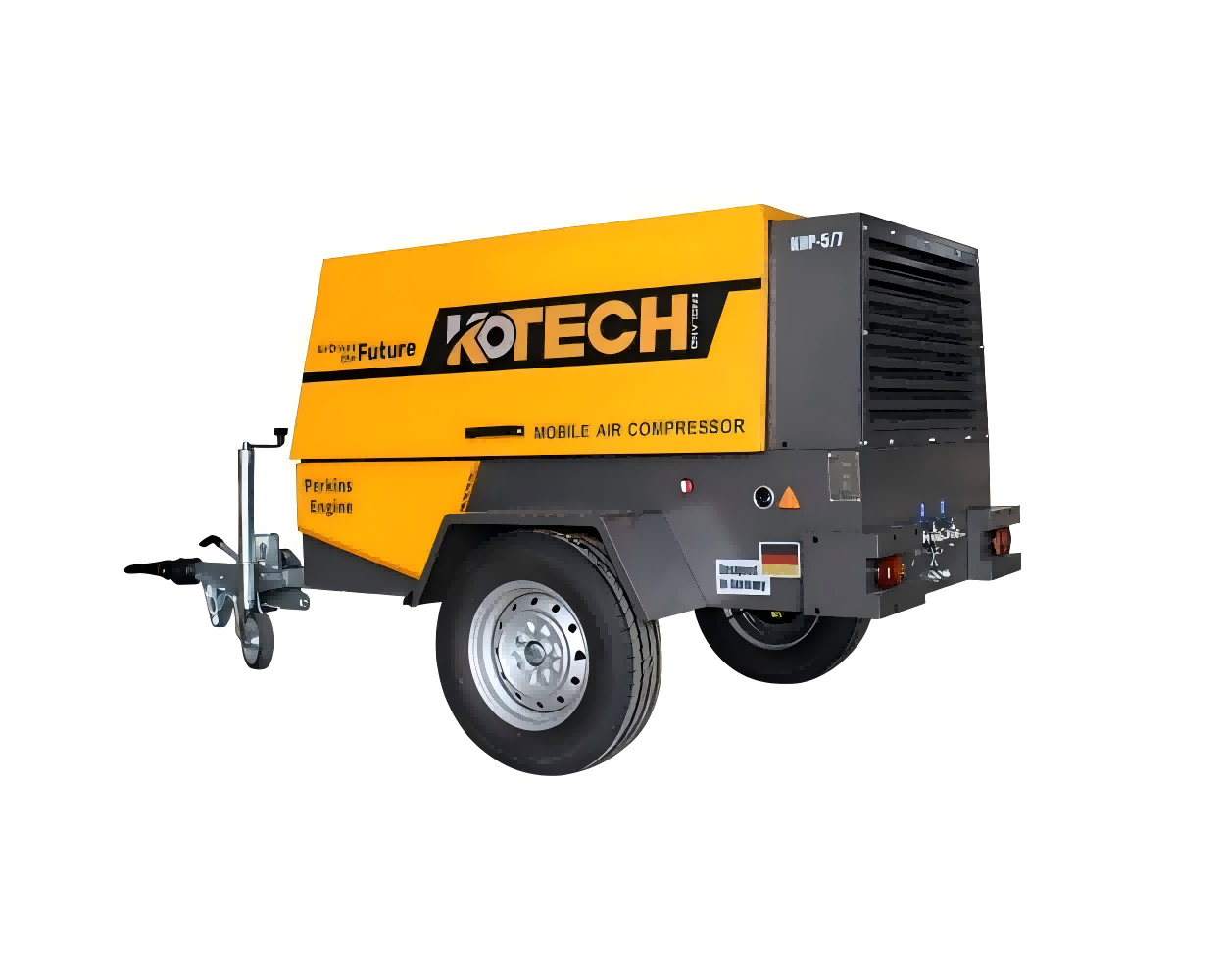
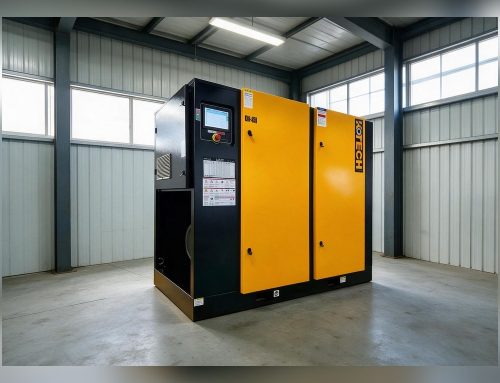
(Kotech 185 CFM air compressor)
A 185 CFM air compressor is capable of running several high-demand pneumatic tools either individually or in parallel. Common examples include:
- Rock drills and jackhammers
- Pavement breakers and concrete chipping tools
- Sandblasting and surface preparation equipment
- Multiple impact wrenches and grinders
- Shotcrete and light concrete spraying systems
In real jobsite conditions, users rarely operate all tools at their maximum rated airflow continuously. This makes a 185 CFM unit particularly versatile, as it can accommodate fluctuating air demand without excessive fuel or energy waste.
Screw compression technology in the 185 CFM class
Most modern 185 CFM industrial air compressors use rotary screw compression technology, and for good reason.
How screw compressors work
Screw compressors generate compressed air by trapping air between two intermeshing rotors and gradually reducing the volume as the rotors turn. Unlike piston compressors, compression is continuous rather than cyclical.
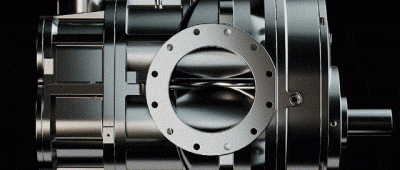
( Rotors of screw compressor )
Why screw compressors dominate this range
Compared with piston or centrifugal designs, screw compressors offer several advantages that are especially relevant in the 185 CFM segment:
- Continuous duty operation– suitable for long work shifts without frequent stops
- Stable airflow– minimal pressure fluctuation, which protects tools and improves efficiency
- Lower vibration and noise– important for urban or indoor worksites
- Reduced maintenance frequency– fewer wear components compared with reciprocating systems
For contractors and industrial users who rely on compressed air daily, these characteristics translate directly into higher uptime and lower total cost of ownership.
Diesel vs electric 185 CFM air compressors
Choosing between a diesel-driven and electric-driven 185 CFM air compressor depends largely on the application environment.
Diesel 185 CFM air compressors
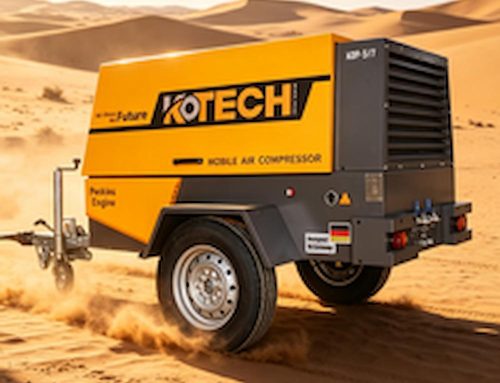
Diesel units are the most common choice for mobile and outdoor applications.
Typical use cases: – Remote construction sites – Road and bridge projects – Mining and quarry operations – Emergency and utility works
Key advantages: – Independent of grid power – Easy relocation between jobsites – Designed for harsh outdoor environments
Electric 185 CFM air compressors
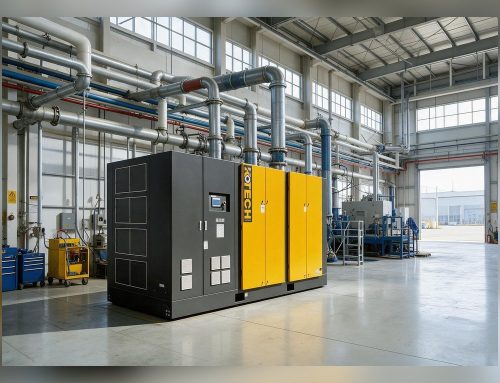
Electric portable air compressors are better suited for fixed or semi-fixed installations.
Typical use cases: – Workshops and factories – Industrial maintenance facilities – Indoor production lines
Key advantages: – Lower operating noise – No exhaust emissions – Lower energy cost where electricity is stable and affordable
In practice, many contractors rely on diesel units for field work while maintaining electric compressors for workshop or plant use.
Environmental adaptability and operating conditions
Industrial air compressors rarely operate in ideal environments. A well-designed 185 CFM compressor should be capable of handling a wide range of conditions, including:
- High ambient temperatures in summer construction zones
- Cold starts in winter or high-altitude locations
- Dusty or abrasive environments such as mining and demolition
- Long daily operating hours with minimal downtime
Features such as reinforced cooling systems, efficient filtration, and robust enclosures play a critical role in ensuring reliable operation across different climates and regions.
Typical applications for 185 CFM air compressors
Construction and infrastructure
185 CFM compressors are widely used for concrete breaking, drilling, road repair, and tunnel works. Their portability allows crews to move equipment easily as projects progress.
Mining and quarrying
In surface mining and exploration drilling, 185 CFM units provide sufficient airflow for pneumatic drills and auxiliary tools while remaining transportable between sites.
Industrial maintenance and shutdowns
Factories and processing plants often rely on mobile compressors during maintenance shutdowns to power tools where fixed air systems are offline or insufficient.
Utilities and municipal services
Water, gas, and power utilities use 185 CFM air compressors for pipeline testing, valve operation, and emergency repair work in the field.
How to choose the right 185 CFM air compressor
Selecting the right model involves more than matching airflow numbers. Key factors include:
- Air pressure requirements
Most 185 CFM compressors operate in the 7–14 bar (100–200 PSI) range. Higher pressure applications reduce available airflow, so pressure and CFM must be considered together.
- Duty cycle and runtime
For continuous or multi-shift operation, screw compressors with adequate cooling capacity are essential.
- Mobility and transport
Trailer-mounted designs are ideal for frequent relocation, while skid-mounted units suit semi-fixed installations.
- Maintenance access
Easy access to filters, oil separators, and service points reduces downtime and simplifies routine maintenance.
- Operating environment
Dust levels, ambient temperature, and altitude all influence compressor performance and component lifespan.
Performance characteristics comparison of different models:

( KDP Series 900~1150CFM VSD Diesel Air Compressor )
Cost considerations and long–term value
While purchase price is important, experienced buyers evaluate air compressors based on total cost of ownership, including:
- Fuel or electricity consumption
- Scheduled maintenance requirements
- Parts availability
- Expected service life
- Downtime risk
In many cases, investing in a reliable, well-engineered 185 CFM compressor results in lower operating costs over its working life compared with cheaper alternatives.
Conclusion
By understanding how 185 CFM compressors are used, the advantages of screw compression technology, and the importance of matching pressure, duty cycle, and environment to the application, users can make informed decisions that improve productivity and reduce long-term operating costs.
Kotech air compressors provide reliable compressed air solutions for global industrial and commercial users. From the 185cfm portable equipment to the 1200cfm heavy industrial flagship, Kotech’s products cover a wide range of applications and remain a dependable backbone of industrial compressed air supply.