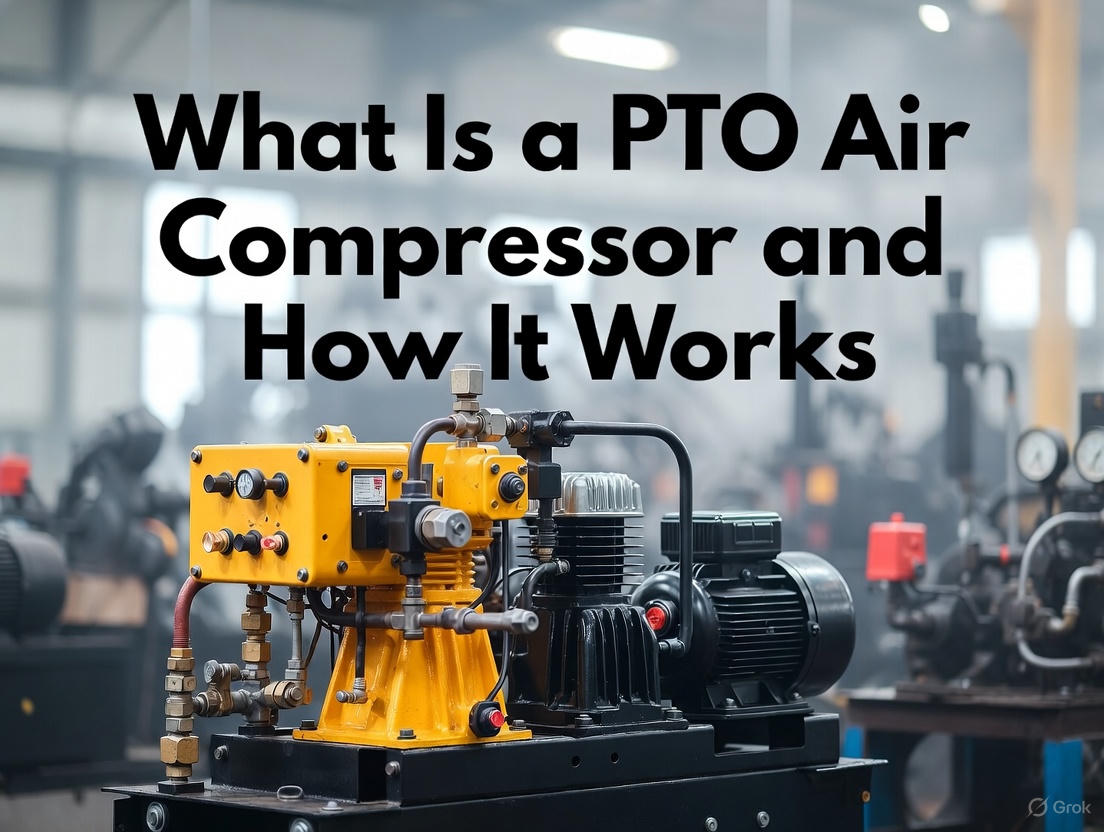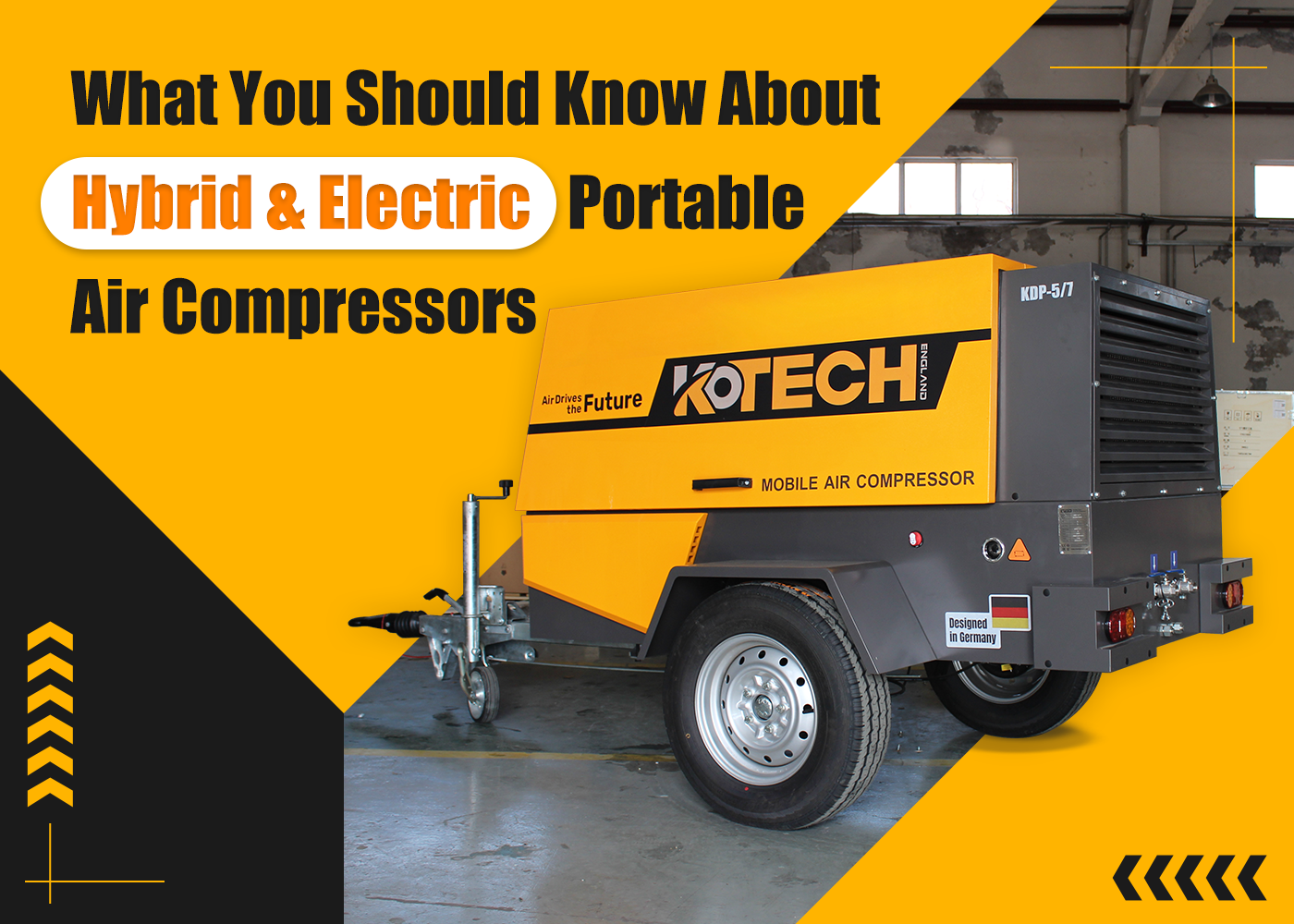




Have you heard of a gasoline air compressor? Below, Kotech Compressor will show you how a gasoline air compressor works and how it differs from a diesel/electric air compressor.
How gasoline air compressors work?
This type of air compressor is powered by a gasoline engine which very similar to the diesel air compressors that powered by diesel engine, something is different though. Gasoline air compressors generate their own operating energy through high temperature and high pressure self-ignition during the compression stroke, while diesel air compressors require spark plugs to generate an arc to start.
Making them more fundamentally mobile and independent than electric air compressors reliant on grid power.
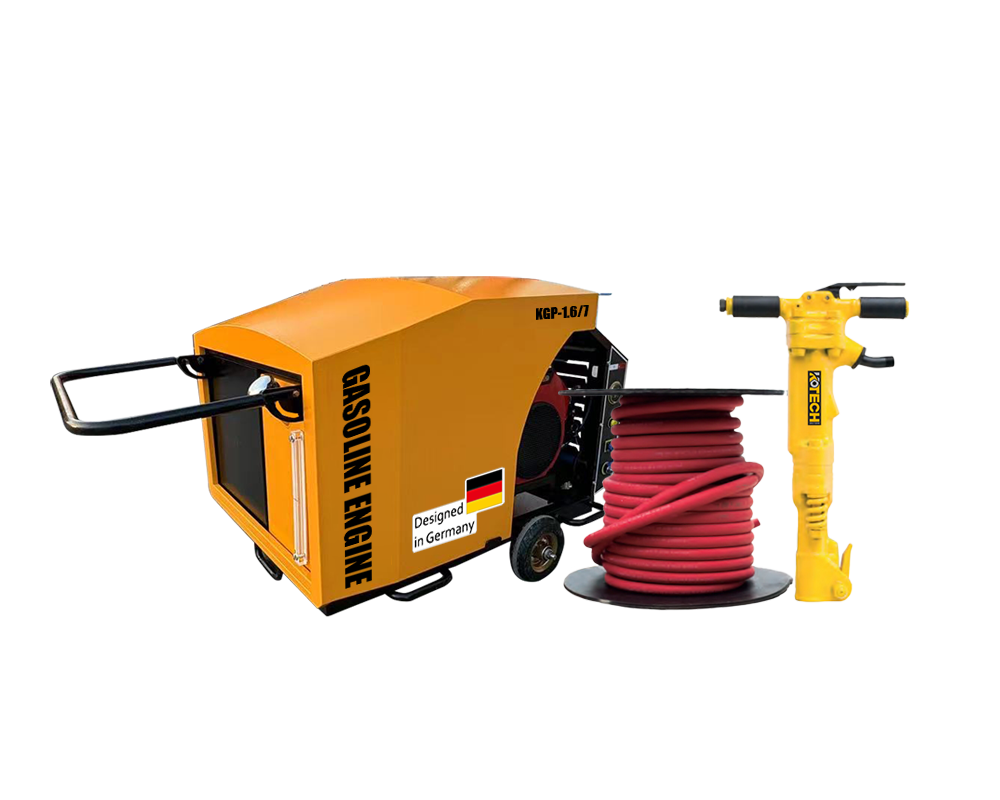
Here’s how a gasoline air compressor works:
Intake stroke: The piston retracts, creating low pressure that opens the intake valve, drawing ambient air into the compression chamber.
Compression stroke: The piston reverses direction, sealing the intake valve and compressing the trapped air volume. Pressure spikes as space diminishes between the rotating male and female screw rotors.
Power & exhaust: Near peak pressure, the exhaust valve opens. High-pressure air discharges into a storage tank, ready for tools like nail guns or sandblasters.
This mechanism, driven by a gasoline engine’s crankshaft via belts or direct coupling, enables robust performance without electrical infrastructure.
Gasoline vs diesel vs electric air compressors
Choosing between compressor types hinges on environment, portability, and operational demands. Here’s a pragmatic comparison:
| Feature | Gasoline Air Compressor | Diesel Air Compressor | Electric Air Compressor |
|---|---|---|---|
| Power Source | Gasoline engine | Diesel engine | Electric motor |
| Portability | Highly portable, no power cords | Portable but heavier | Limited by power cord/receptacle |
| Fuel Cost | Moderate | Higher | Lowest |
| Noise Level | Moderate to high | High | Low to moderate |
| Maintenance | Engine + compressor upkeep | Complex engine maintenance | Simplest maintenance |
| Ideal For | Remote sites, mobile work | Heavy-duty remote applications | Workshops, indoor use |
Choosing between compressor types hinges on environment, portability, and operational demands. Here’s a pragmatic comparison:
Gasoline vs diesel air compressor: Diesel air compressors excel in torque and longevity for large-scale industrial use (e.g., mining), but gasoline units start faster in cold weather and are lighter—ideal for towing between sites. Diesel fuel costs and engine complexity also elevate maintenance expenses.
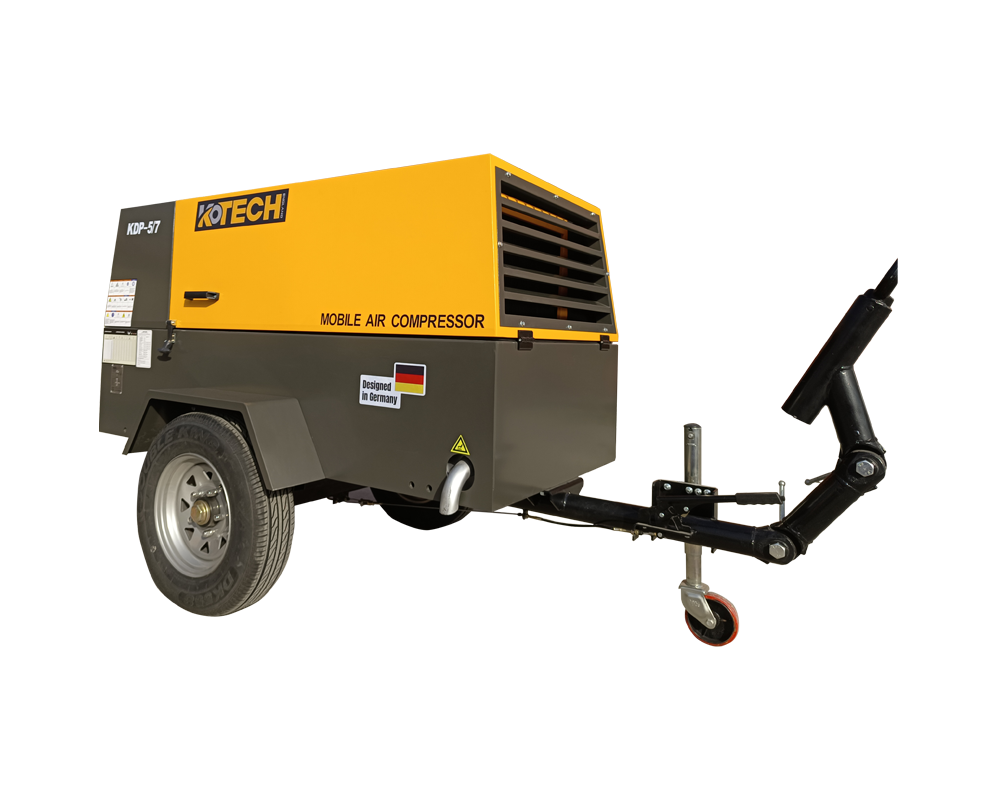
Gasoline vs electric air compressor: Electric air compressors win on noise (≤75 dB) and emissions, suiting indoor shops. However, gasoline powered air compressor models dominate where grid power is absent. Their trade-offs include exhaust fumes and louder operation (~85–95 dB), necessitating outdoor use.
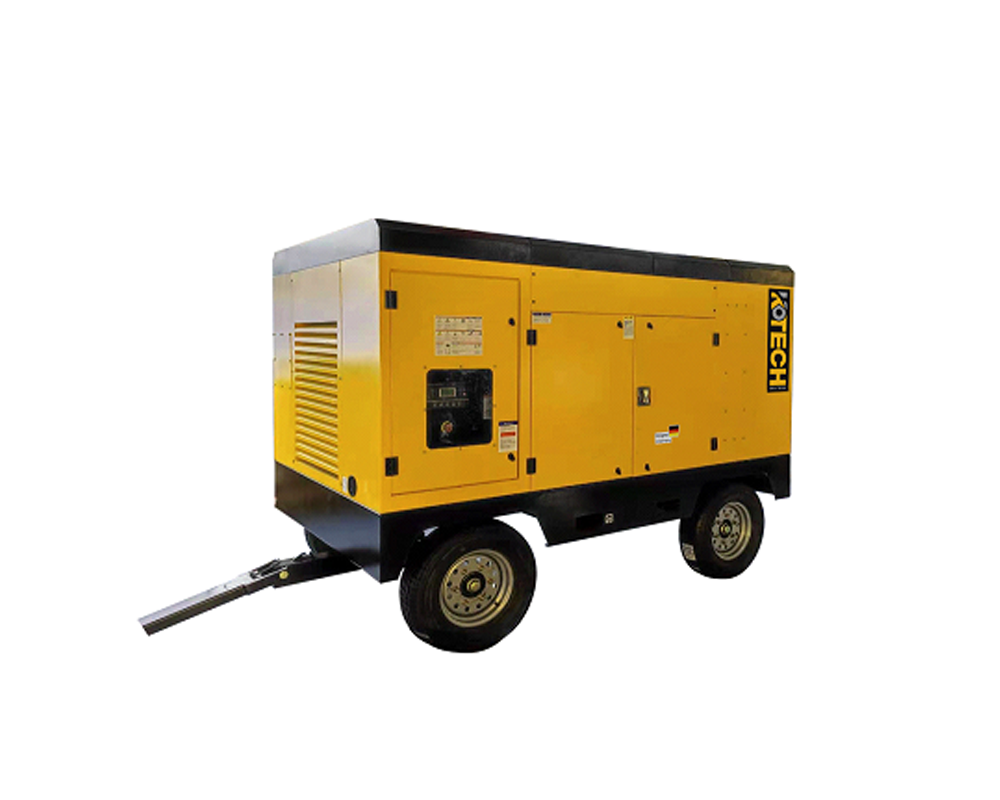
Key advantages and industrial applications
The portable gasoline air compressor thrives where mobility and high power converge. Primary benefits include:
Unmatched portability: Integrated wheels and compact designs enable transport to remote job sites—no 480V outlets required.
High power-to-weight ratio: Gasoline engines deliver sufficient power help gasoline compressor generates substantial CFM (cubic feet per minute) for heavy tools like jackhammers, rivaling larger diesel air compressor units.
Rapid deployment: Ideal for disaster response or urgent repairs where electricity is disrupted.
Typical sectors leveraging gasoline compressors:
Construction: Roofing, framing, and sandblasting at sites lacking temporary power.
Agriculture: Driving pneumatic dairy systems, grain conveyors, or field repairs.
Roadwork & mining: Powering rock drills, ventilation fans, and pressure testing pipelines in transient locations.
Auto restoration: Sanding/painting vehicles in open garages where corded tools falter.
Critical considerations when operating gasoline compressors
While versatile, gasoline models demand specific precautions to ensure safety and longevity:
Ventilation is non-negotiable: Operate only outdoors or in well-ventilated spaces. Exhaust contains carbon monoxide—a lethal, odorless gas.
Fuel management: Use fresh, ethanol-free gasoline (<30 days old) to avoid carburetor clogs. Stabilize fuel during storage.
Engine maintenance:
Check oil levels pre-start (SAE 30 or manufacturer-specified).
Replace air filters every 50–100 hours to prevent dust ingress.
Drain tanks daily to stop internal corrosion from accumulated moisture.
Pressure safety: Test safety valves monthly. Overpressurization risks tank explosions—never bypass rated PSI.
Vibration control: Secure all fittings; gasoline engine vibrations can loosen air compressor piping, causing leaks or disconnections.
Frequently asked questions
How long can a portable gasoline air compressor run continuously?
Most consumer units tolerate 4–6 hours of runtime before the air compressor overheating. Industrial variants may extend to 8 hours. Always observe cooldown periods per the manual.
Is synthetic oil suitable for gasoline compressor engines?
Yes. Synthetic oils (e.g., 10W-30) better resist thermal breakdown during extended use. Avoid standard automotive oils with detergents.
Can I convert my gasoline compressor to propane?
Kits exist but require expertise. Benefits include cleaner burns and stable fuel storage. Downsides: reduced power (~10%) and increased strain on valves.
Why does my unit surge or lose pressure under load?
Likely causes:
Worn valves reducing compression efficiency.
Clogged intake filters or fuel lines.
Malfunctioning pressure switch or unloader valve.
Are gasoline compressors suitable for painting?
Only with industrial inline air dryers. Combustion byproducts (water vapor and hydrocarbons) can ruin finishes. For critical spray work, oil-free electric air compressors are safer.
Conclusion
Gasoline air compressors remain indispensable allies where electricity is scarce and diesel is overkill. By marrying raw power with go-anywhere resilience, they empower contractors, farmers, and repair crews to conquer jobs beyond the grid’s reach. Just remember: respect the fuel, maintain the machine, and prioritize airflow—your air compressor will repay you with relentless service.