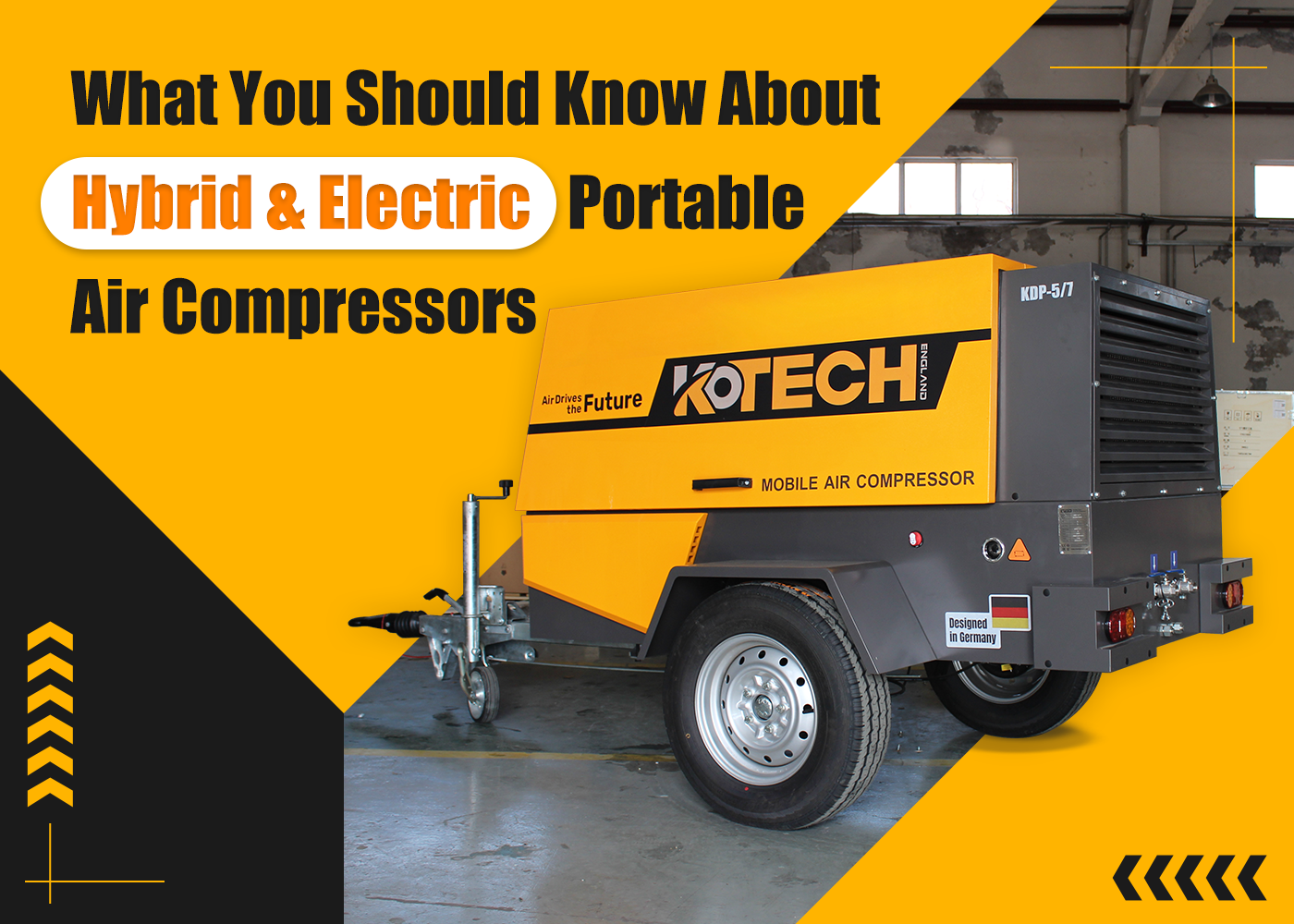




Learn how containerized air compressors simplify installation, improve reliability, and reduce operating risks in large-scale projects.
Supplying compressed air for industrial projects is rarely as simple as installing a standard compressor in a fixed plant room.
For many EPC projects, mining sites, oil & gas operations, and temporary industrial installations, compressed air must be delivered quickly, reliably, and in locations where traditional infrastructure is limited or unavailable.
In these scenarios, modular and containerized compressed air systems have become a preferred solution, offering a practical balance between performance, deployment speed, and long-term reliability.
Compressed air challenges in remote and fast-track projects
Industrial projects in remote or temporary locations often face similar constraints:
- Limited or no permanent compressor room
- Short construction and commissioning schedules
- Harsh environments with high temperatures, dust, or humidity
- Restricted access for installation and maintenance
- High consequences of downtime once operations begin
Traditional compressor installations are not always designed for these realities. On-site construction, complex piping work, and extended commissioning periods can introduce delays and increase project risk.
For project owners and EPC contractors, the challenge is not only to generate compressed air, but to do so in a way that aligns with project timelines and site conditions.
Why traditional compressor rooms slow projects down
A conventional compressor room typically requires civil works and foundations, separate installation of compressors, dryers, tanks, and controls, extensive on-site piping and electrical work, as well as step-by-step commissioning after installation.
While this approach works well for permanent facilities, it can become a bottleneck in fast-track or remote projects. Every additional on-site activity increases coordination effort, labor costs, and the likelihood of schedule overruns. This is where modular compressed air systems offer a clear alternative.
What is a modular compressed air system?
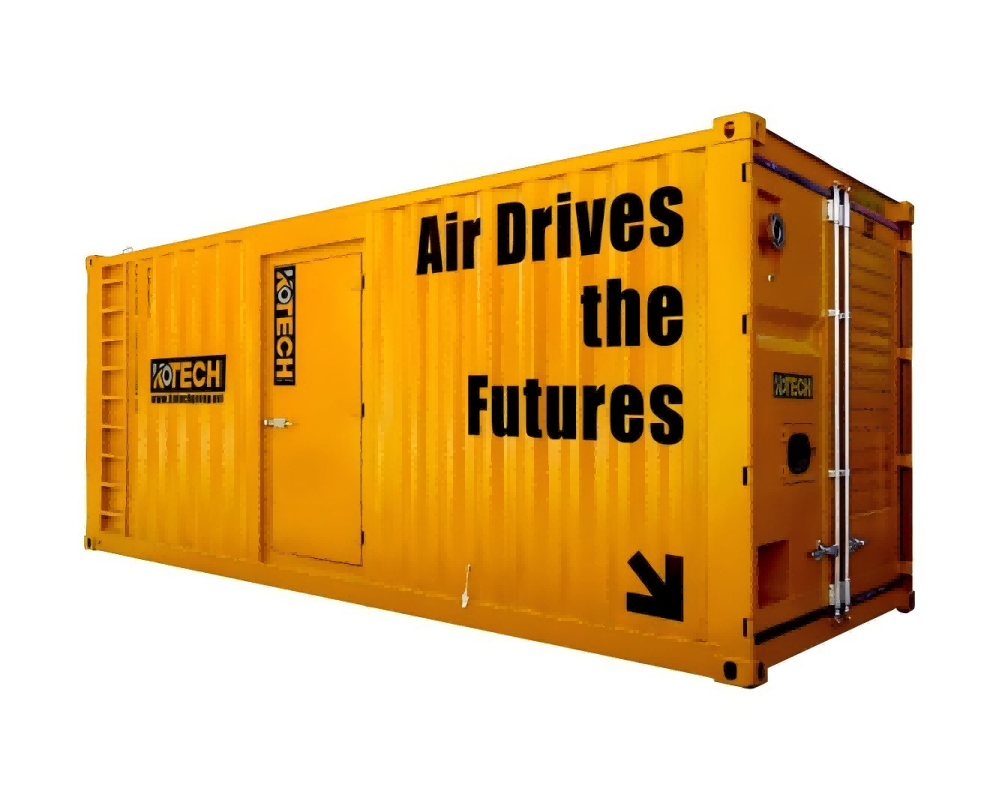
(Kotech modular air compressor)
A modular air compressor system integrates the core components of a compressed air station into a single, pre-engineered unit. This unit is delivered as a containerized compressed air system, housing air compressors, cooling and ventilation systems, air treatment equipment, electrical and control systems.
All components are assembled, tested, and optimized before delivery, allowing the system to function as a plug-and-play compressed air solution once it reaches the site.
Why containerized compressor stations are preferred for EPC projects
For EPC contractors and project owners, containerized compressor stations provide several practical advantages:
Fast deployment: Minimal site preparation is required. Once positioned, the system can be connected to power and air distribution and placed into operation.
Predictable performance: Factory integration and testing reduce uncertainties during commissioning.
Reduced on-site work testing: Less civil construction, piping, and electrical installation are needed on-site.
Mobility and flexibility: Systems can be relocated or reused as project requirements change.
From a project management perspective, containerized air compressor solutions help shift complexity away from the job site and into a controlled manufacturing environment.
Typical configuration of a containerized compressed air solution
A well-designed containerized compressed air system is more than a compressor placed inside a steel box.
Typical configurations may include:
Air compression system: Rotary screw or centrifugal compressors selected based on required pressure, flow, and duty cycle.
Cooling and ventilation: Engineered airflow paths to manage heat dissipation and maintain stable operating temperatures.
Air treatment system: Air receivers, dryers, and filtration stages configured to meet the required air quality.
Electrical and control system: Integrated PLC control, protection devices, and optional remote monitoring capabilities.
The exact configuration depends on the application, ambient conditions, and operational priorities of the project.
Industrial applications that benefit most from containerized air systems
Containerized compressed air systems are particularly well suited for:
- Mining operations
Remote mine sites often require reliable compressed air for drilling, processing, and maintenance, with minimal infrastructure.
- Oil and gas projects
Upstream and midstream projects benefit from modular systems that can be deployed quickly and adapted to changing site layouts.
- Construction and infrastructure projects
Temporary compressed air demand during construction phases can be efficiently met without permanent installations.
- Power and utility facilities
Containerized systems provide flexible support for auxiliary air requirements and backup capacity.
Across these applications, the ability to deploy a complete air system rapidly is often more valuable than incremental efficiency gains from permanent installations.
Key design factors that make or break a containerized compressor project
Not all containerized air compressor systems deliver the same results. In real projects, performance often depends on design details such as:
- Heat dissipation and ventilation
Inadequate airflow can lead to high internal temperatures and reduced equipment life.
- Noise control
Acoustic treatment must be balanced with ventilation requirements.
- Maintenance access
Sufficient clearance and logical component layout are essential for routine servicing.
- Electrical standards and compliance
Systems must be designed to match local power supply and safety regulations.
These factors are often overlooked in generic solutions but can significantly impact long-term reliability.
When a containerized air compressor is the right choice
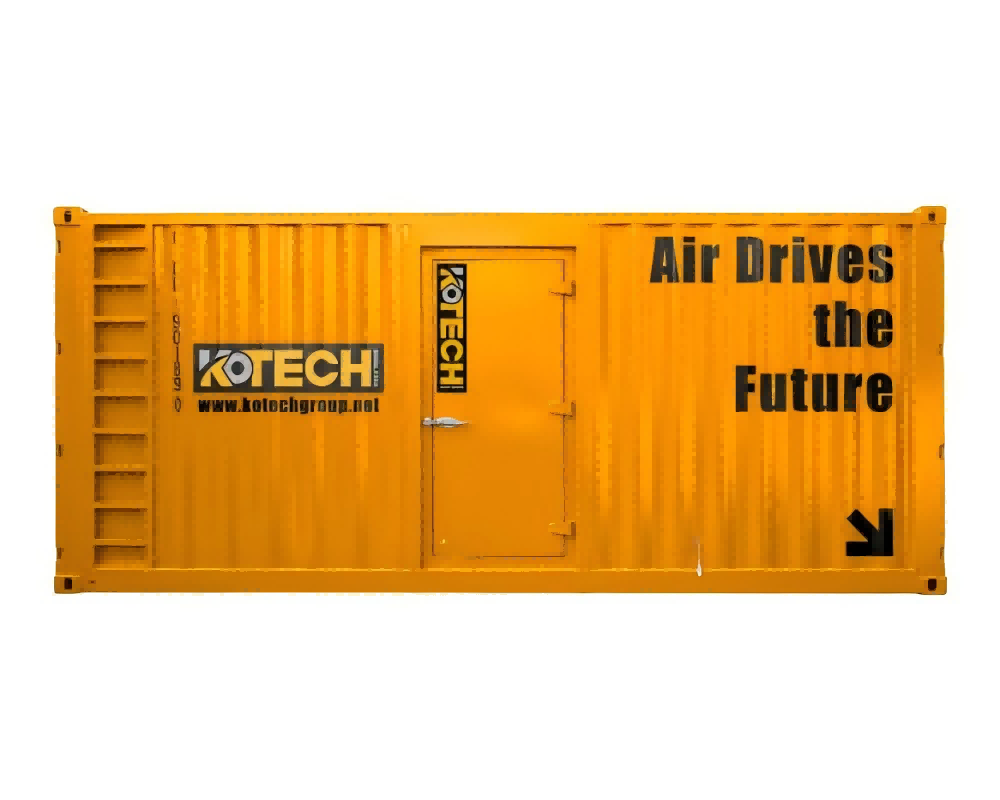
A containerized compressed air system is typically the right choice when:
- The project schedule does not allow for extended on-site construction
- The site lacks a permanent compressor room
- Environmental conditions are challenging
- Future relocation or expansion is likely
In such cases, modular systems offer a practical balance between speed, control, and operational stability.
A turnkey approach to containerized compressed air solutions
For industrial projects, the value of a containerized compressed air system lies not only in the equipment itself, but in the engineering and execution behind it.
A turnkey approach typically covers:
- System design based on application requirements
- Integrated manufacturing and assembly
- Factory testing before delivery
- Technical support during installation and commissioning
This approach allows project teams to focus on core operations while relying on a single partner for the compressed air system.
Conclusion
Modular and containerized compressed air systems have become a proven solution for industrial projects where time, reliability, and flexibility are critical.
By integrating key components into a pre-engineered package, these systems help reduce on-site complexity and project risk—especially in remote or temporary applications.
For project owners and EPC contractors, the right containerized solution is not just about equipment selection, but about choosing a partner who understands real project constraints and delivers systems designed for the field.
Looking for a compressed air solution tailored to your project conditions? Sharing your application details with an experienced engineering team is often the first step toward a reliable, long-term solution.