



PTO air compressors, what they are, how they work, who uses them, their advantages, types, and how to choose the right model, this article provides a complete guide.
What is a PTO air compressor?

A PTO air compressor is an air compressor powered by a vehicle’s Power Take-Off (PTO) system. The PTO mechanism transfers rotational power from the vehicle’s engine or transmission to auxiliary equipment—in this case, an air compressor.
Instead of having its own gasoline or diesel engine, the compressor uses the truck’s existing engine for power. This integration makes PTO compressors extremely efficient, space-saving, and reliable for professional mobile air applications.
How a PTO air compressor works?
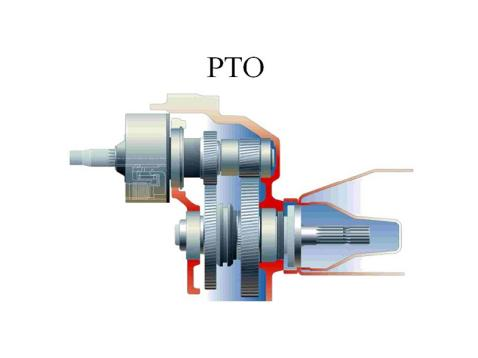
Although the concept is simple, the system is highly engineered for continuous industrial use.
- Power Take-Off engagement
The vehicle’s PTO unit engages with the transmission or engine. When activated, power is diverted from the vehicle’s engine to the PTO output shaft.
- Mechanical or hydraulic transfer
Depending on the system design, the PTO drives the compressor directly via:
A driveshaft (mechanical),
A hydraulic pump and motor (hydraulic-driven),
Or a gearbox interface (common in heavy-duty trucks).
- Compressor operation
Most PTO units power a rotary screw air compressor, which provides:
Continuous air supply,
High CFM output,
Duty cycle suitable for heavy pneumatic tools.
Piston (reciprocating) PTO compressors also exist, but they are less common due to lower efficiency and higher vibration.
- Air delivery
Air is then:
Stored in the onboard air tank, or
Delivered directly to pneumatic tools or equipment.
Because PTO compressors keep running as long as the vehicle engine is operating, they are excellent for continuous-use environments.
Key advantages of PTO air compressors
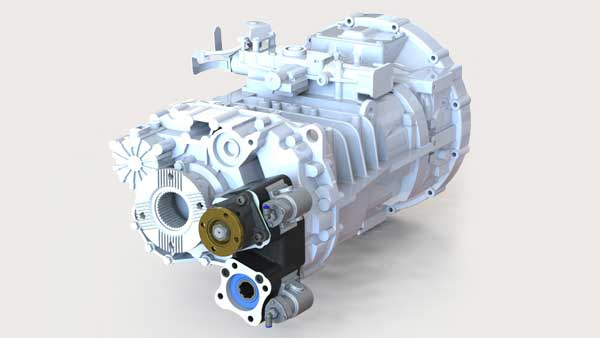
Companies choose PTO-driven air compressors for a wide range of reasons. Below are the primary benefits that make this system so popular across industrial sectors.
No separate engine
Traditional diesel portable compressors have their own engine, requiring:
- Fuel
- Oil changes
- Maintenance schedules
- Spare parts
A PTO compressor eliminates all of that because it depends on the truck’s engine, dramatically lowering maintenance requirements and downtime.
Reduced weight and more truck space
A diesel portable compressor can weigh 800–2,000 kg. PTO systems:
Remove the extra engine,
Mount compactly under the truck or in a side compartment,
Free up deck space.
This is extremely valuable for service trucks where every inch of space matters.
Increased reliability
A vehicle engine is typically better maintained than a secondary compressor engine. With fewer moving parts, PTO compressors offer:
Fewer breakdowns,
Higher reliability,
Longer lifespan.
Continuous duty for heavy tools
Rotary screw PTO compressors deliver 100% duty cycle, ideal for:
Sandblasting,
Drilling,
Breaker hammers,
Air-operated controls.
These applications need consistent airflow—not the on/off cycling of small portable piston compressors.
Lower total cost of ownership
When factoring in:
- Fuel
- Maintenance
- Repairs
- Replacement parts
A PTO air compressor often costs far less over the long term compared with portable diesel compressors.
Common Applications of PTO Air Compressors
PTO compressors are ideal for any industry requiring reliable mobile air. Common applications include:
Construction and Roadwork
- Work trucks power jackhammers, breakers,
nail guns, and pavement saws. - Because PTO systems produce high airflow, they handle heavy-duty pneumatic tools effortlessly.
Utility and Municipal Service Trucks
- Used by power line maintenance teams, water utilities,
telecommunication repair units, and pipeline servicing crews. - These teams require reliable air without towing extra equipment.
Agricultural Tractors and Farm Machinery
- Farm PTO compressors assist with tire inflation,
sprayer controls, and pneumatic seeders.
Mining and Oilfield Operations
- In harsh remote environments, PTO compressors offer stable performance for
equipment maintenance, air tools,
sampling and drilling support.
Mobile Tire Service and Roadside Assistance
- These operators rely on PTO air compressors for inflating large commercial truck tires,
running impact wrenches, and operating air jacks.
Types of PTO Air Compressors
Direct PTO-Driven Rotary Screw Compressors
- Most efficient.
- Highest airflow (100–400 CFM).
- Industrial-grade.
- Best for heavy-duty fleets.
Hydraulic-Driven PTO Compressors
In this system:
- PTO drives a hydraulic pump.
- The pump powers a hydraulic motor.
- The motor drives the compressor.
Advantages:
- Flexible installation.
- Can power additional hydraulic tools.
PTO-Driven Piston Compressors
- Smaller and cheaper.
- Limited airflow.
- Higher noise.
- Lower efficiency.
- Mostly used for light-duty needs.
How to Choose the Right PTO Air Compressor
Airflow (CFM) Requirements
Different tools require different airflow levels:
- Impact wrench: 25–35 CFM
- Jackhammer: 50–90 CFM
- Sandblasting: 150–300 CFM
- Drilling: 90–150 CFM
Choose a system that meets your peak demand.
Truck Compatibility
Ensure compatibility with:
- PTO output rating.
- Transmission type.
- Available space for mounting.
Some trucks may require aftermarket PTO kits.
Air Compressor Type
- Rotary screw is ideal for industrial use.
- Piston is only suitable for light tasks.
Cooling and Filtration
High-duty work requires:
- Advanced cooling systems.
- Efficient air/oil separation.
- Heavy-duty filters.
Noise Level
- Fleet operators may prefer rotary screw systems for quieter performance.
Total Cost of Ownership
Compare the following factors:
- Fuel savings.
- Maintenance costs.
- Expected lifespan.
- Downtime reduction.
PTO systems often win over the long term.