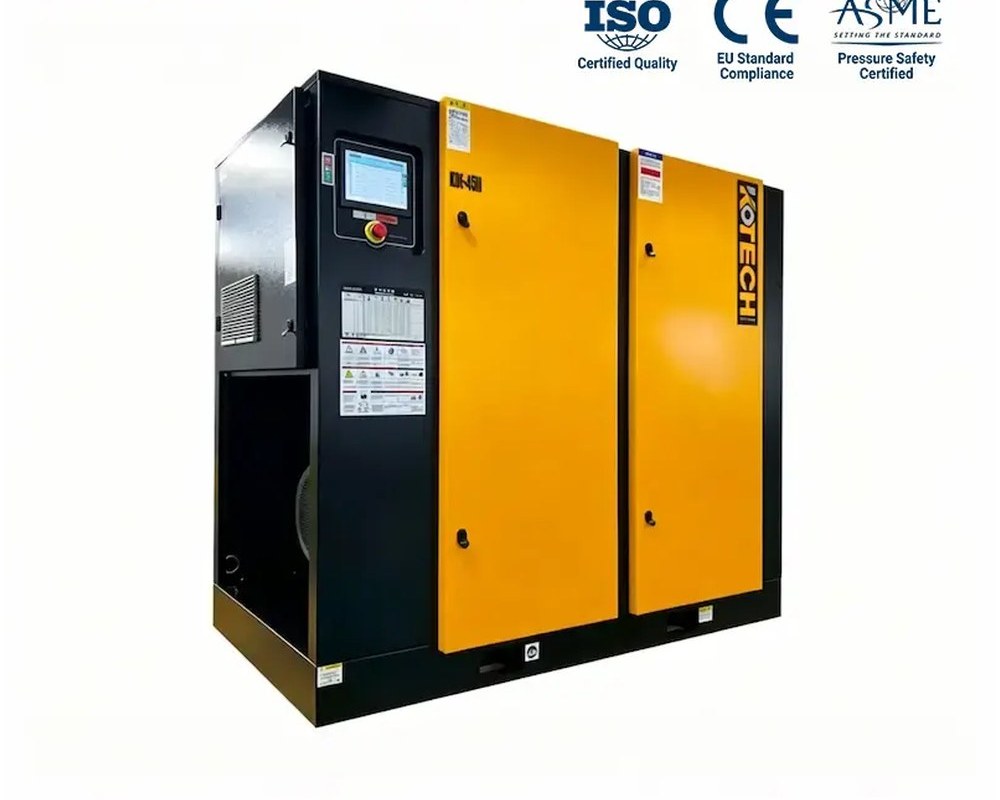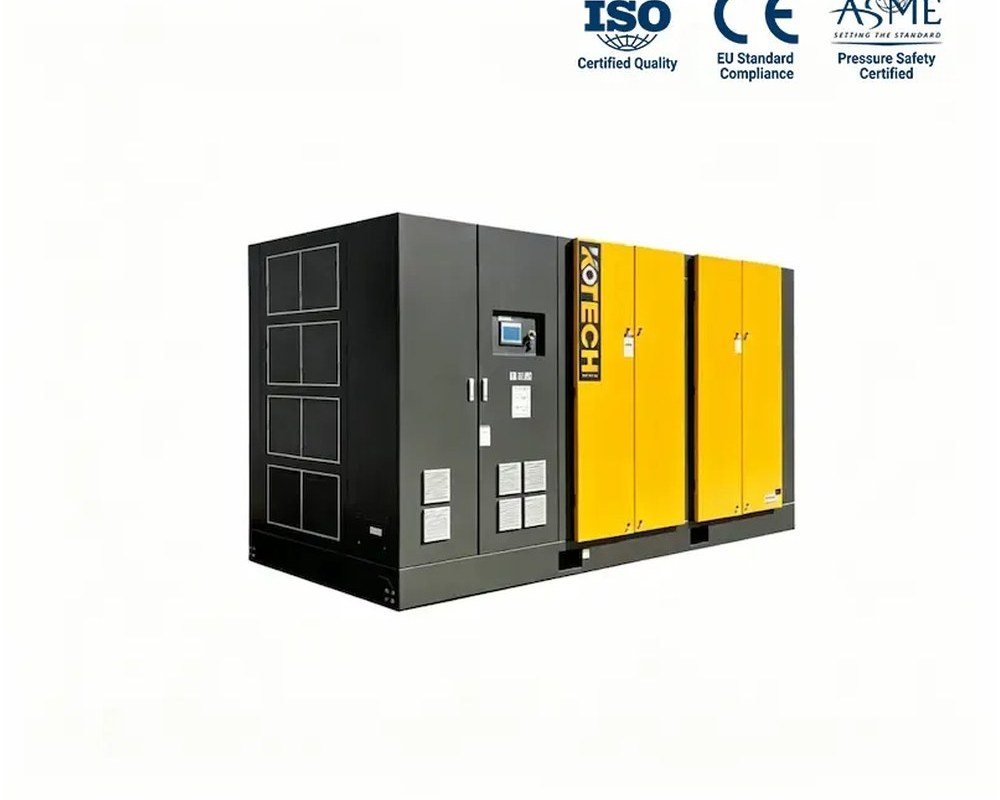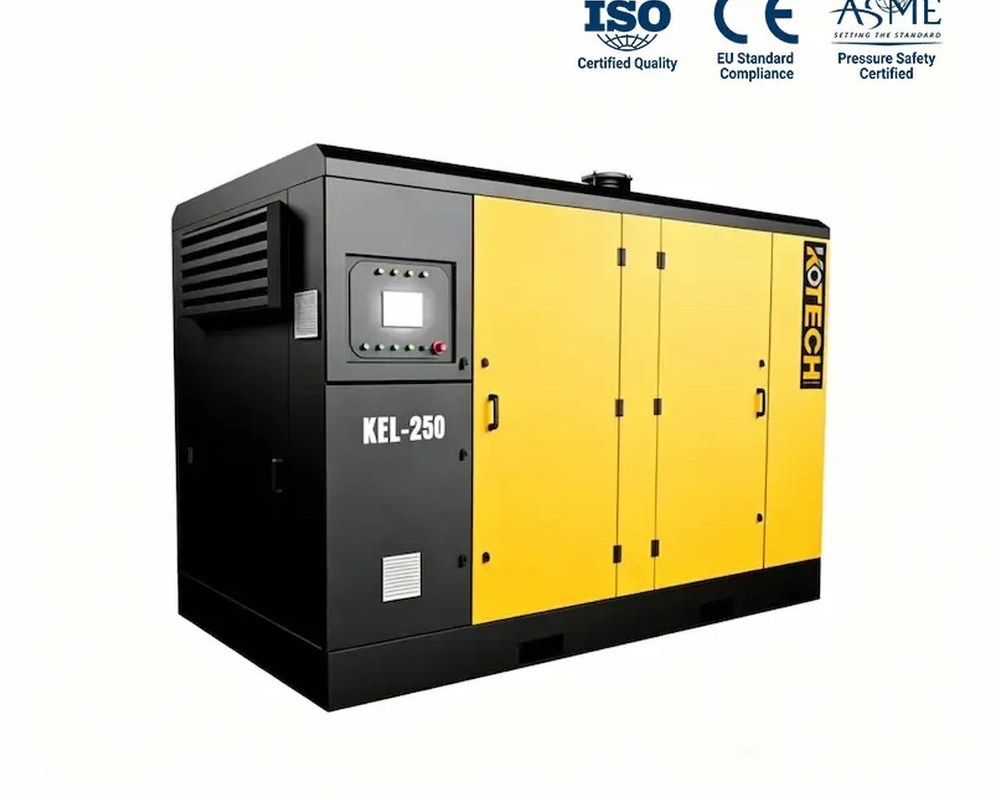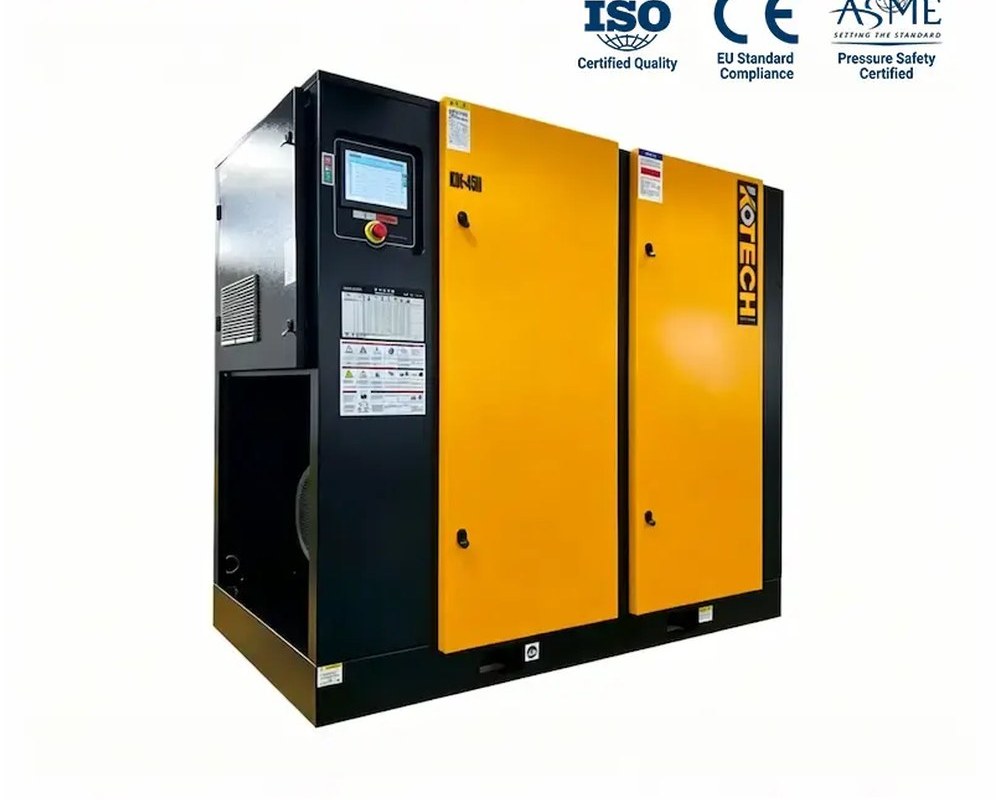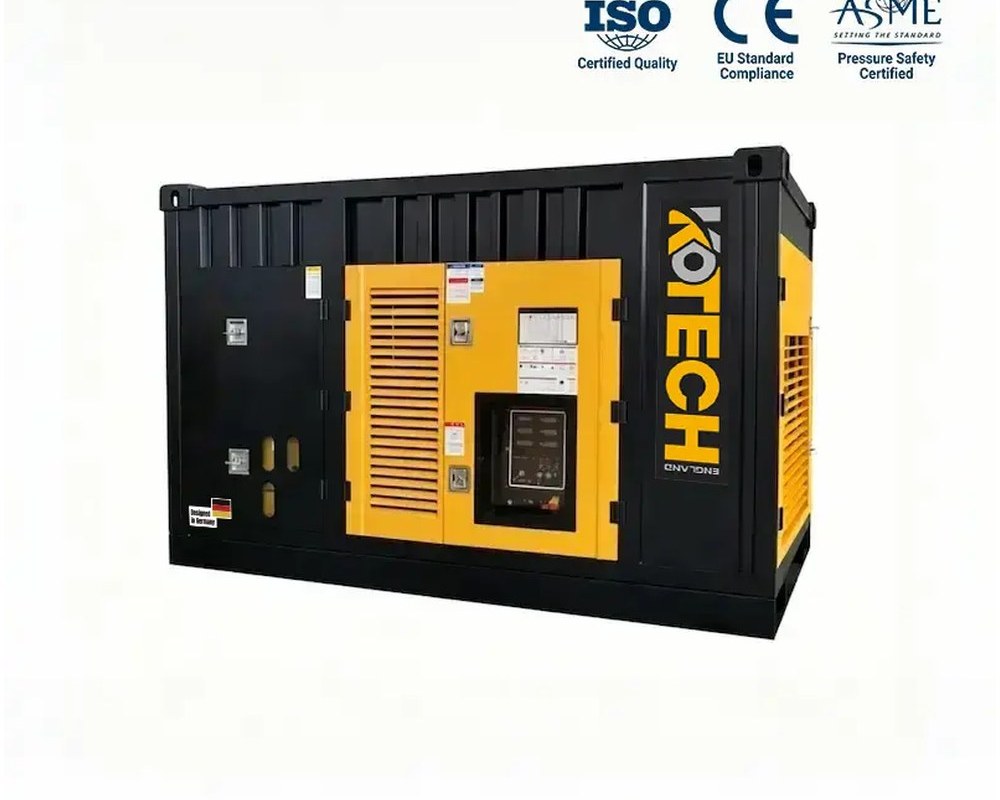




Practical maintenance tips for portable diesel air compressors. Learn how routine checks and service intervals help reduce downtime, fuel waste, and costly repairs.
If you’ve ever had a compressor quit halfway through a job, you already know this: air compressor maintenance isn’t a “nice to have”. It’s the difference between finishing on time and watching a crew stand around while money burns.
Portable diesel air compressors are built tough. They work in dust, heat, cold, and places where most machines wouldn’t last a week. That toughness, though, often leads to bad habits—run it hard, park it, repeat—until one day it doesn’t start. This guide isn’t theory or fluff. It’s a practical, field-tested way to keep a diesel portable compressor reliable, efficient, and ready to work.
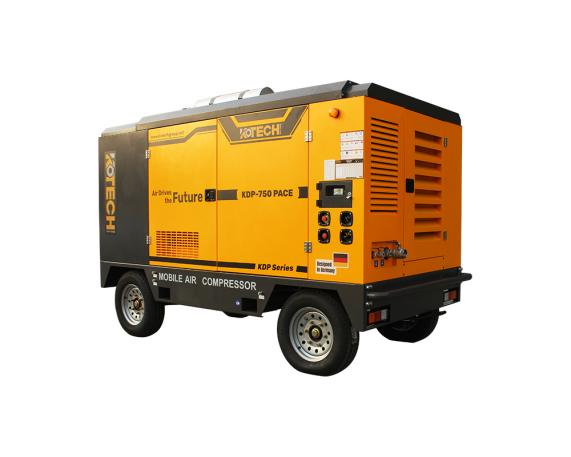
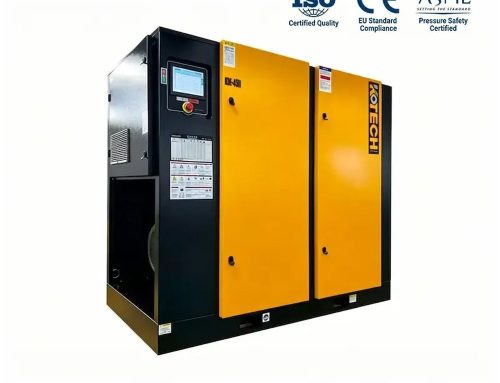
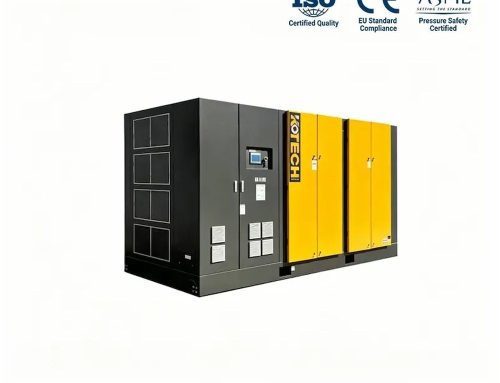
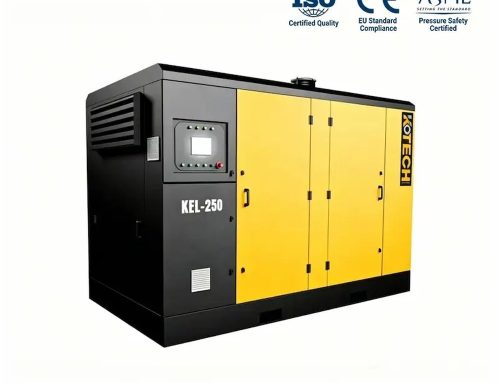
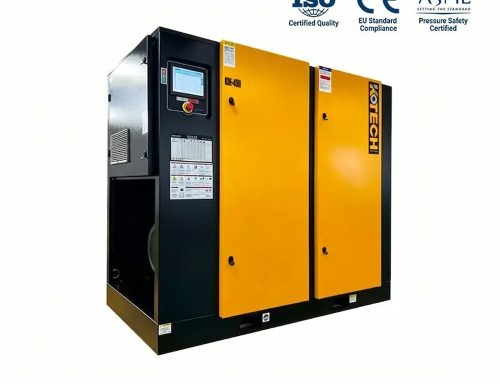
KDP-750 Pace Portable diesel air compressors
Why preventive air compressor maintenance actually matters
When air maintenance slips, the problems rarely show up all at once. Air output slowly drops. Fuel consumption creeps up. Oil carryover starts to appear in the lines. Eventually, something expensive fails—often at the worst possible time.
A basic preventive routine does three things:
- Keeps airflow and pressure where they should be
- Reduces fuel and oil consumption
- Catches small issues before they turn into major repairs
In short, it protects uptime. And uptime is what pays the bills.
A practical compressor maintenance schedule you can stick to
Always follow your machine’s operator manual first. What follows is a realistic framework used across many job sites.
Daily checks (Before start-up and during operation)
This takes five to ten minutes, and it’s time well spent.
Start with a quick walk-around. Look for oil, fuel, or air leaks. Check hoses, clamps, and fasteners—anything that looks loose, wet, or out of place.
Next, confirm fluid levels. Engine oil, coolant, and compressor oil should all be within the recommended range. Don’t mix fluids or “top up with whatever’s nearby”. The wrong oil costs more in the long run.
Pay attention to the air intake. A dirty filter restricts airflow, which hurts both engine performance and compressor efficiency. If your unit has a restriction indicator, trust it.
Drain condensate from the air tank. After the machine cools and pressure drops to around 30 PSI, open the drain and let water and oil out. Skipping this step invites corrosion and contamination downstream.
Once running, listen. Unusual vibration, knocking, or whining noises are often the first warning signs. Glance at the gauges—pressure and temperature should be stable and within specifications.
Weekly or 50-hour service
This interval lines up with a typical work week and is especially important for new machines.
Air filter care becomes critical here. In dusty conditions, the primary element may need daily cleaning. A clogged filter is one of the fastest ways to shorten engine life.
Test the safety valve. Pull it manually and make sure it opens and reseats cleanly. This simple check confirms a key safety component is doing its job.
For new units, the first 50-hour break-in service is non-negotiable. This usually includes changing engine oil, compressor oil, and replacing oil and fuel filters. It removes early wear particles before they circulate through the system.
Monthly or 250-hour service
At this stage, filters take center stage. Replace the primary air filter and change fuel and oil filters as specified by the manufacturer.
Inspect the battery and electrical connections. Corrosion and loose terminals are common causes of no-start situations, especially after periods of inactivity.
With the unit running, check for air leaks using a soapy water solution. Even small leaks waste energy and reduce available airflow.
Every 500 hours
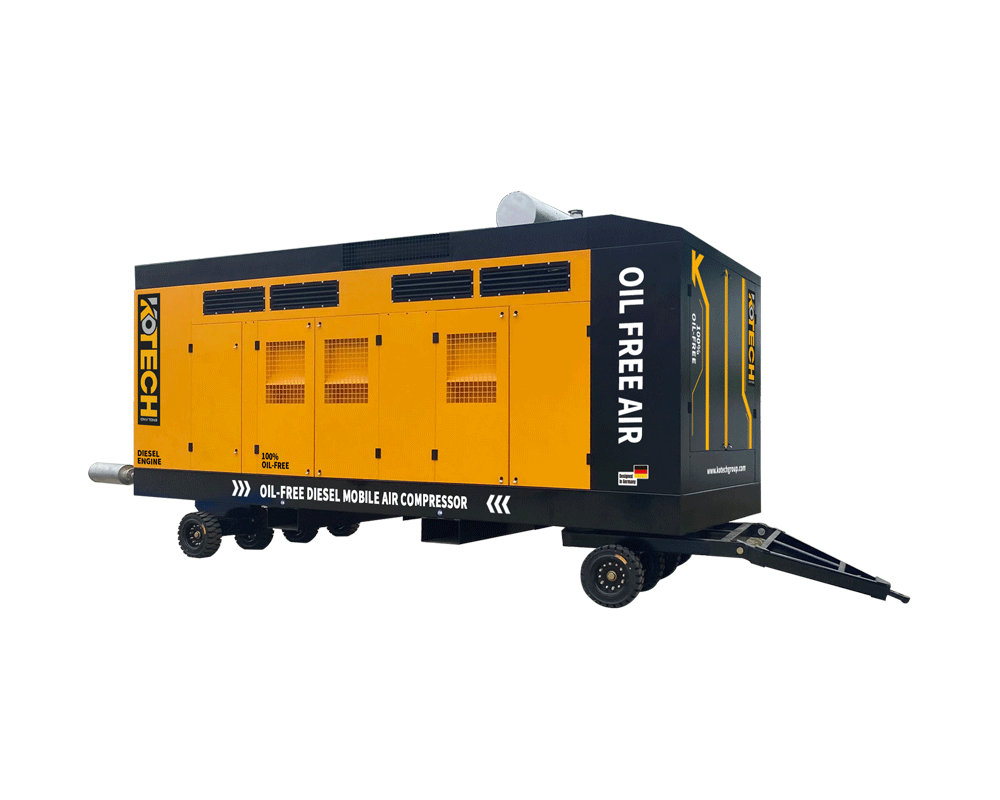
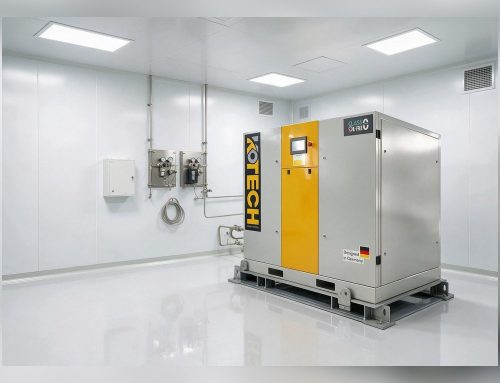
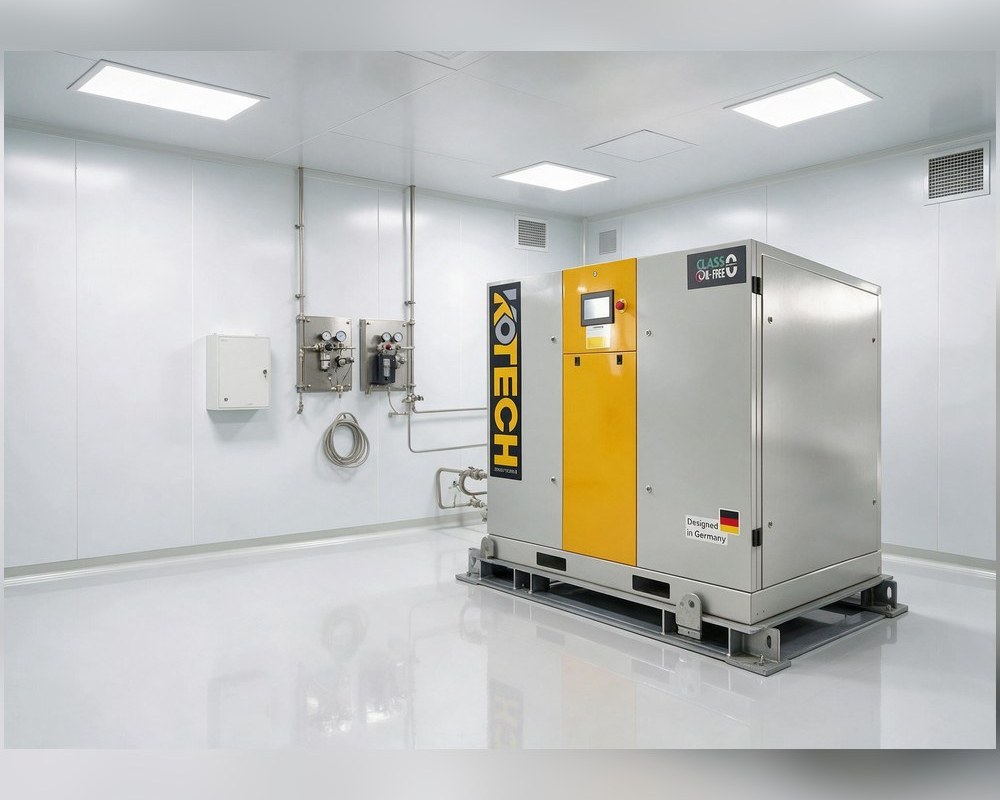
(KOP Series Oil Free Mobile Air Compressor)
Compressor oil should be changed according to the air compressor manufacturer’s interval. This is separate from engine oil and just as important, especially for rotary screw compressors.
Check the oil gas separator element. If differential pressure is climbing, replacement is usually cheaper than dealing with oil carryover issues later.
Clean the cooling package. Radiators and oil coolers packed with dust or debris can quickly lead to overheating, even if everything else is in good condition.
Annual or 1000–1500 hour service
Inspect the fuel system for water or sediment in the tank and drain if necessary.
Have pressure switches and relief valves checked and calibrated by a qualified technician. These components don’t fail often—but when they do, the consequences are serious.
Common problems and what they usually mean
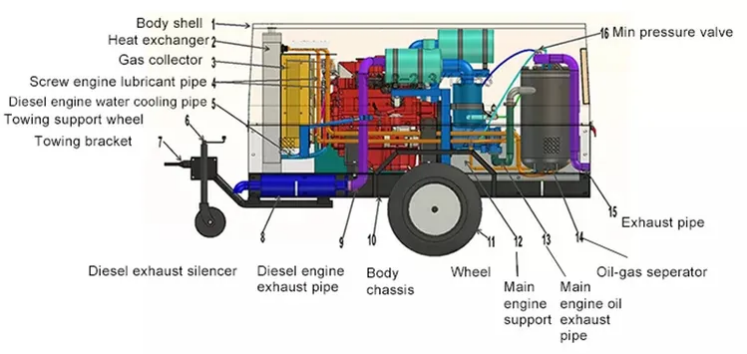
Even with good maintenance, issues happen. Knowing where to look saves time.
Hard starting or no start often points to fuel delivery, battery condition, or a safety shutdown that hasn’t been reset.
Low pressure or reduced airflow is frequently caused by air leaks, clogged filters, or internal wear that needs inspection.
Oil in the air lines usually means a separator issue or an oil level that’s too high.
Unusual noise or vibration is rarely normal. Loose hardware, worn bearings, or misaligned components should be addressed early.
A few habits that extend service life
Use quality filters and parts that meet the original specifications. Cheap components rarely save money over time.
Keep a simple service log. Dates, hours, and notes make troubleshooting easier and help maintain resale value.
Store the machine properly. For extended downtime, use fuel stabilizer and keep the tank clean and dry.
Final thoughts
Consistent air compressor maintenance costs far less than emergency repairs and lost productivity. A portable diesel air compressor that’s checked, serviced, and listened to will reward you with reliable performance year after year.
If you’ve learned a compressor maintenance lesson the hard way—or found a routine that really works—those experiences are often more valuable than anything in a manual.