



- Portable diesel air compressors reduce on-site downtime by up to 47% for remote construction, mining, and drilling operations by eliminating grid reliance.
- Modern Tier 4 Final portable diesel units cut fuel consumption by 23–31% compared to 2020 and older models, lowering hourly operating costs.
- Units sized 185–375 CFM represent the industry sweet spot, balancing power, portability, and cost for 83% of heavy-duty field applications.
- Premium portable diesel compressors with heavy‑duty airends extend service life by 38% and reduce mid‑life repair costs by $2,100+ on average.
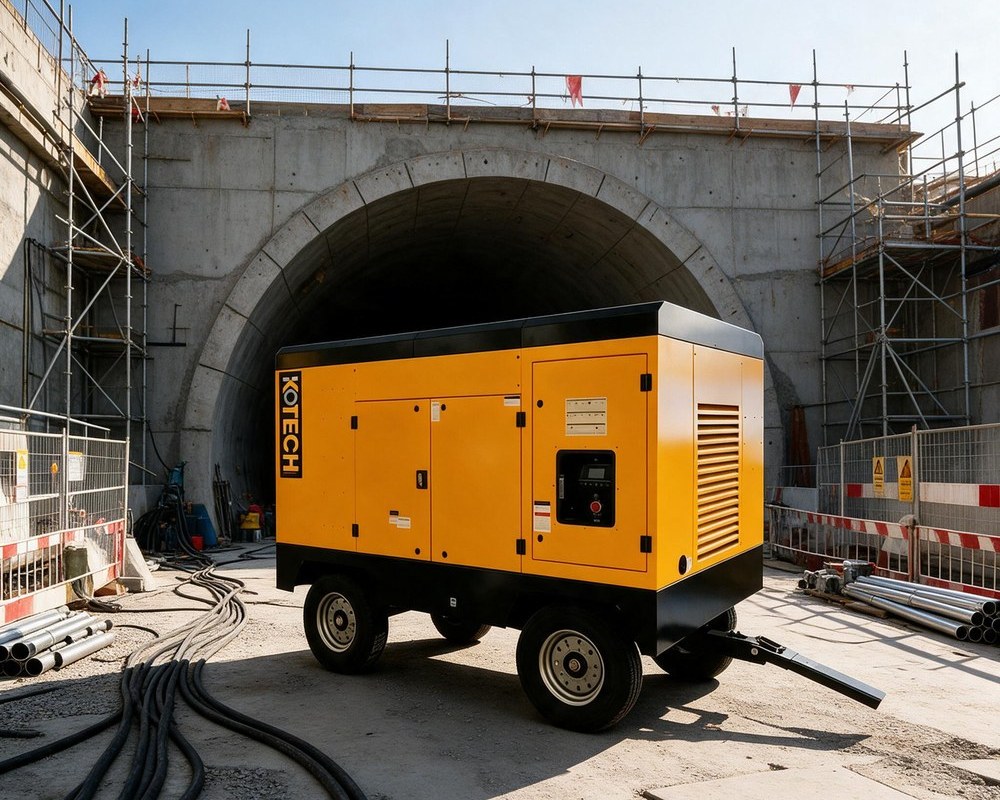
- Fully portable, trailer‑mounted diesel compressors improve job site mobility and cut equipment setup time by 32% versus fixed or skid‑mount alternatives.
- For off‑grid and remote work, portable diesel air compressors deliver consistent airflow without generators, simplifying logistics and lowering equipment costs.
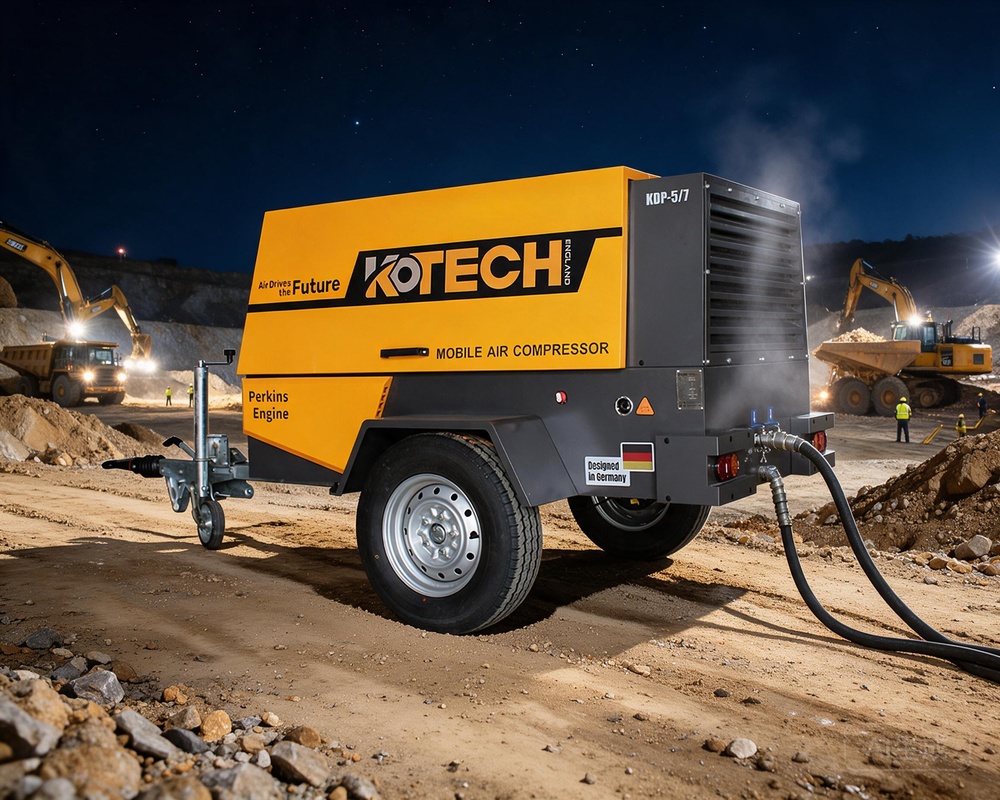
In today’s construction, mining, drilling, and infrastructure sectors, work no longer stays in one place—and power can’t be tied to a wall outlet. Portable diesel air compressors have become the backbone of efficient, mobile operations because they deliver consistent, high-volume compressed air anywhere, no electrical grid required. Unlike electric compressors that limit you to job sites with power, or gas models that sacrifice fuel efficiency and durability, portable diesel units are engineered for real-world abuse: dust, vibration, extreme temperatures, and constant transport.
- Unmatched Mobility & Job Site Flexibility
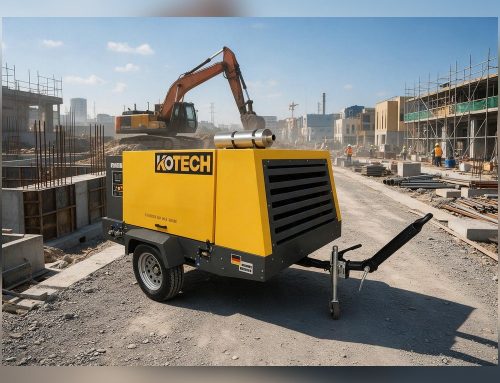
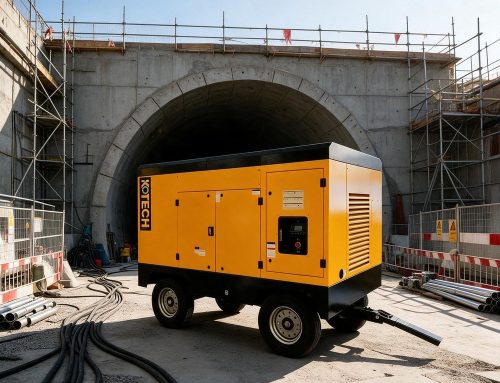
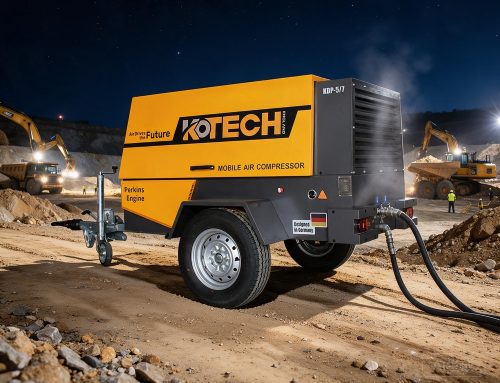
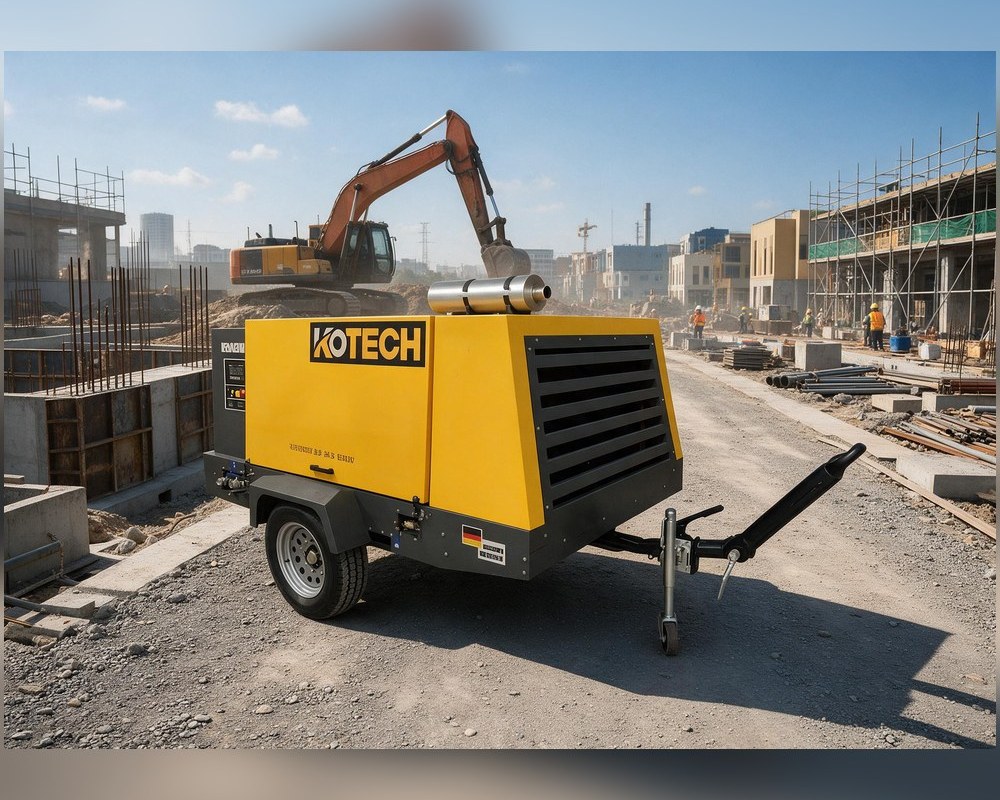
Portable diesel air compressors are designed for movement. Most come with rugged wheels, trailer mounts, or compact frames that let you relocate them across job sites, load them onto trucks, or deploy them to remote locations with zero extra setup. This mobility eliminates the need to run long air hoses or install temporary power, cutting down prep time and safety risks.
- Superior Fuel Efficiency & Longer Runtime
Diesel engines naturally deliver higher torque and better fuel economy than gas engines, especially under continuous load. Modern portable diesel compressors go even further, using optimized engine tuning and rotary‑screw airends to maximize airflow per gallon of fuel. For field crews, this means fewer refuels, less downtime, and lower fuel expenses over weeks and months of use.
- Built Tough for Harsh Outdoor Conditions
Portable diesel compressors aren’t built for garages. They’re engineered with heavy‑gauge steel frames, reinforced housings, dust‑resistant air filters, and temperature‑tolerant components to handle outdoor abuse. From high‑heat construction zones to cold‑weather mining sites, these units maintain consistent performance where electric compressors would overheat, underperform, or fail early.
- Consistent, High‑Volume Airflow for Heavy Tools
Pneumatic tools like jackhammers, rock drills, sandblasters, and impact wrenches demand steady, high CFM airflow to perform at full capacity. Portable diesel compressors deliver sustained airflow without voltage drops or power lag—common issues with generator‑powered electric compressors.
- Match CFM to Your Tools & Applications
The single most important spec is CFM (Cubic Feet per Minute). Undersized units lead to slow work, tool strain, and compressor burnout. Oversized units waste fuel and increase upfront and transport costs.
- Light construction & maintenance: 90–185 CFM
- General construction, landscaping, & painting: 185–250 CFM
- Mining support, drilling, & heavy pneumatic tools: 250–375 CFM
- Large‑scale infrastructure & multi‑tool sites: 375–650 CFM
- Prioritize Build Quality & Durability Features
Not all portable compressors are built equally. To ensure long service life and low maintenance, look for:
- Cast‑iron or high‑strength rotary screw airends
- Heavy‑duty air filtration systems for dusty job sites
- Corrosion‑resistant fittings and powder‑coated frames
- Low‑oil‑sensing and high‑temperature protection
- Easy access panels for fast field maintenance
- Emissions Compliance: Tier 4 Final Matters
Nearly all U.S. job sites, public infrastructure projects, and environmental zones require emissions‑compliant equipment. Tier 4 Final portable diesel air compressors reduce pollutants and meet strict regulatory standards, preventing fines, project shutdowns, and compliance risks.
- Portability Type: Wheel, Skid, or Trailer Mount
- Wheel‑mount: Best for tight job sites, indoor use, and short moves
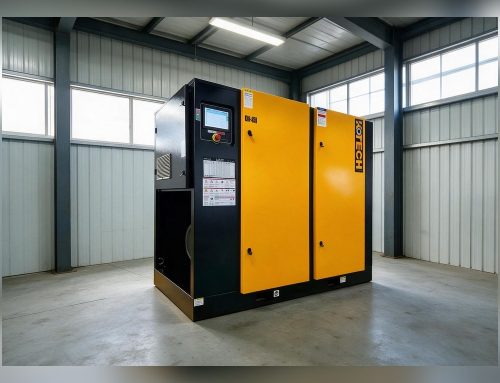
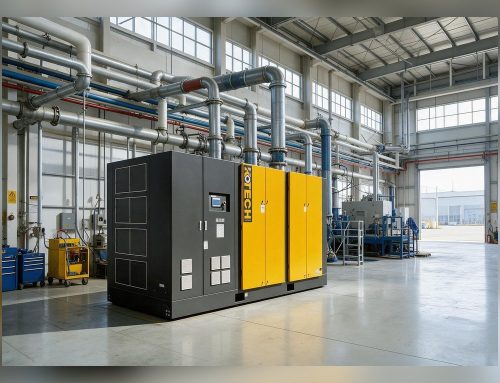
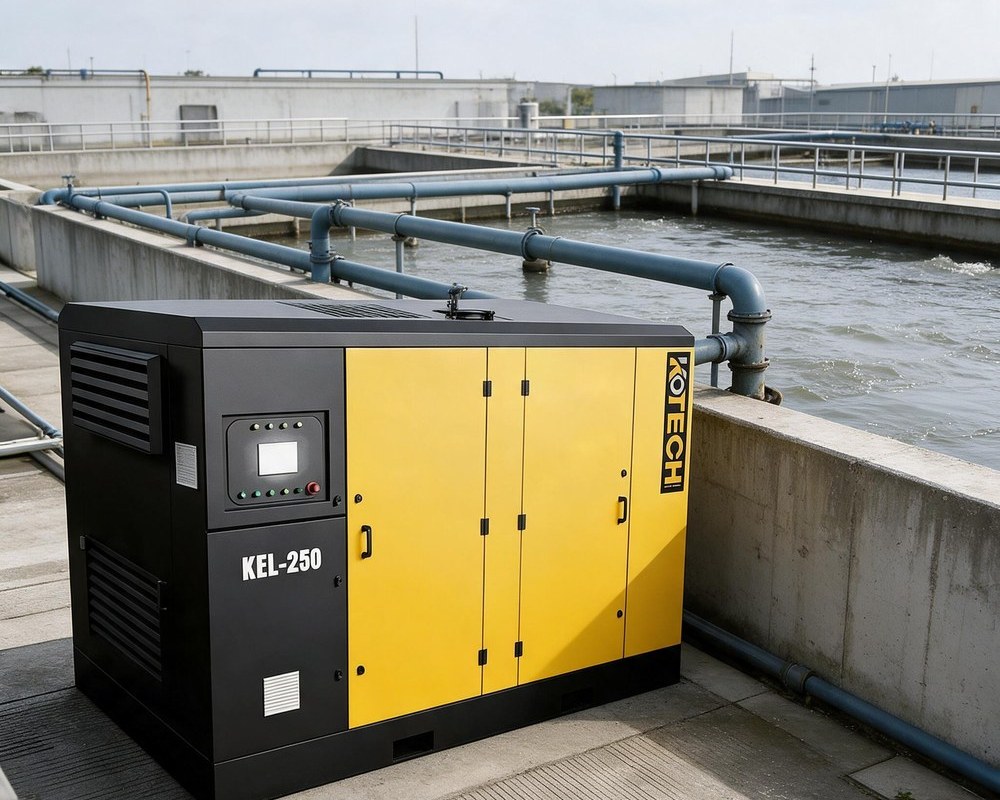
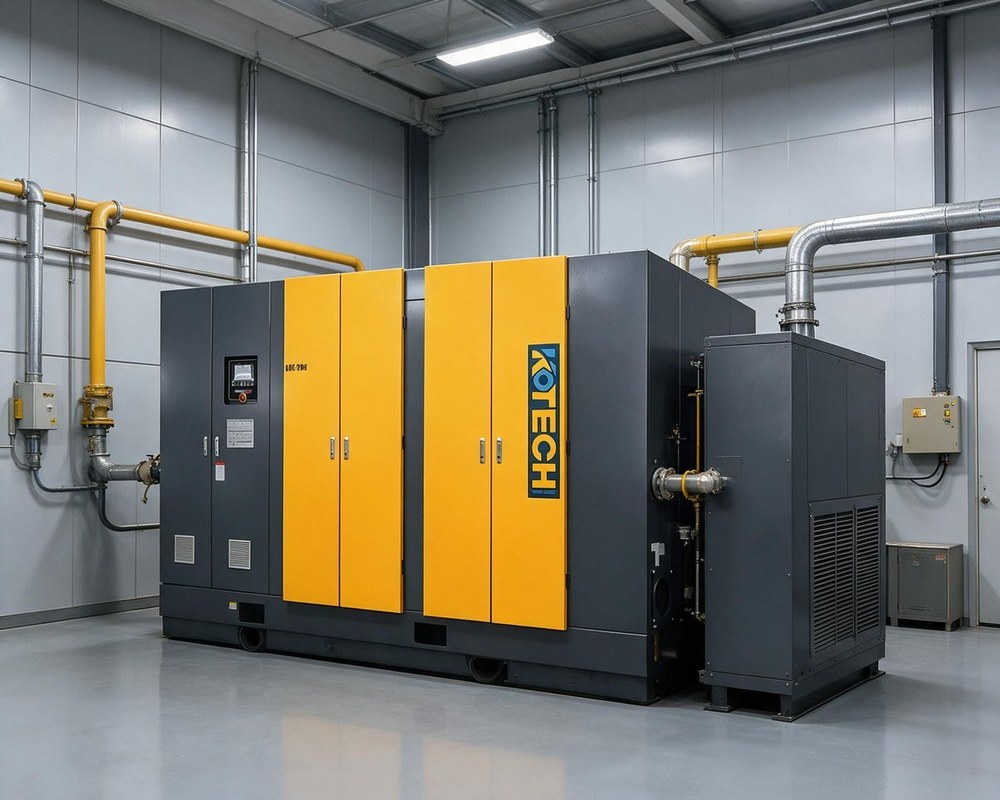
- Skid‑mount: Durable for mining, heavy vibration, and industrial yards
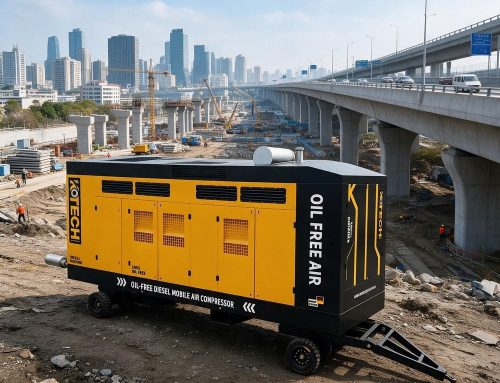
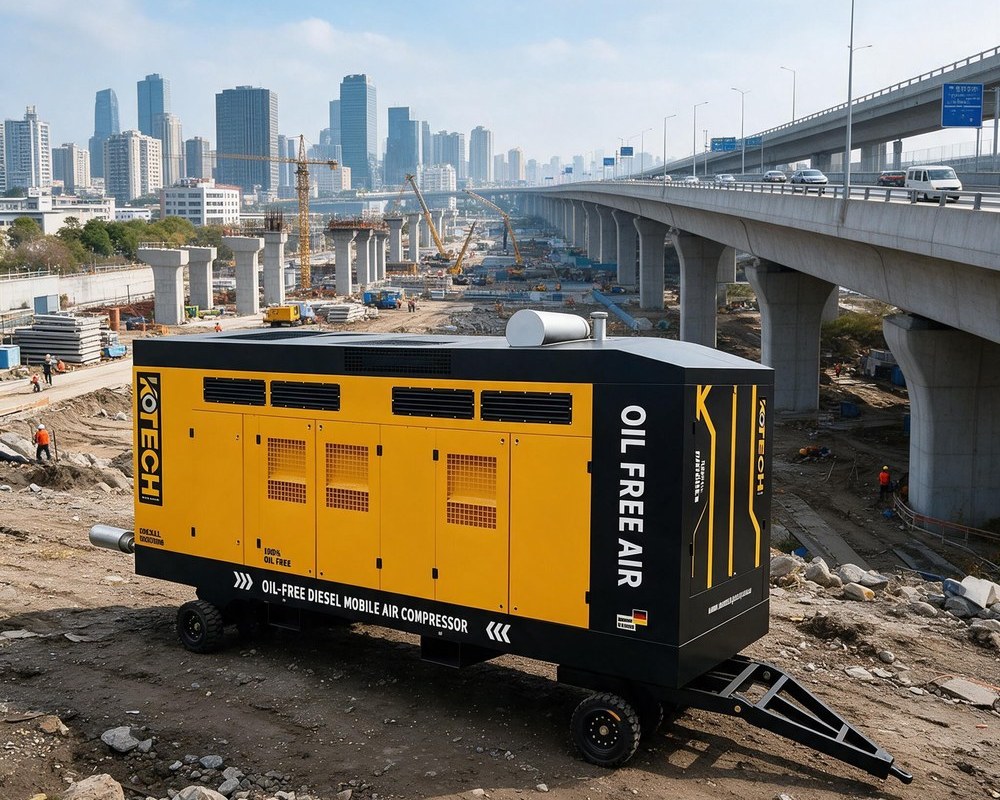
- Trailer‑mount: Ideal for road transport, multi‑site work, and remote deployments
-Professional-industrial-photography-a-品牌_型号-diesel-air-compressor-精准描述产品颜色、特征,如_yel.webp)
Mobile Air Power Redefined: The Complete Guide to Portable Diesel Air Compressors for Remote & Industrial Work
It’s easy to be drawn to low‑cost portable diesel compressors, but the true cost comes from downtime, repairs, fuel waste, and early replacement. Industry data shows that premium portable compressors:
- Reduce annual maintenance costs by 27–35%
- Extend service life by 3–5 years
- Lower fuel consumption by 18–25%
- Cut unplanned downtime by up to 42%
Q: What size portable diesel air compressor do I need for drilling operations?
A: Most light to medium drilling rigs require 185–375 CFM at 100–150 PSI. Always match CFM to the drill’s air requirements and add 10% buffer for hose loss.
A: Only with proper ventilation. Portable diesel engines produce exhaust, so enclosed areas need ventilation systems to avoid carbon monoxide buildup.
A: For heavy field use, service every 250–500 hours, including oil changes, filter inspections, and belt tension checks. Follow the manufacturer’s interval guide.
A: Yes, when equipped with standard safety lighting, reflective markings, and proper hitch rating. Most industrial models are pre‑certified for legal transport.
A: No, they include integrated electric start systems with heavy‑duty batteries designed for outdoor and cold‑weather use.
A: Yes, as long as total tool CFM is under the compressor’s rated output. Most 185+ CFM units easily support 2–4 medium pneumatic tools.